
Best Terpenes for Vape Carts: 7 Profile Directions for Cannabis Brands
Compare seven vape-cart terpene profile directions for cannabis brands, with flavor fit, source proof, QA checks, and formulation notes.
Internal link cluster
Gemini image QA
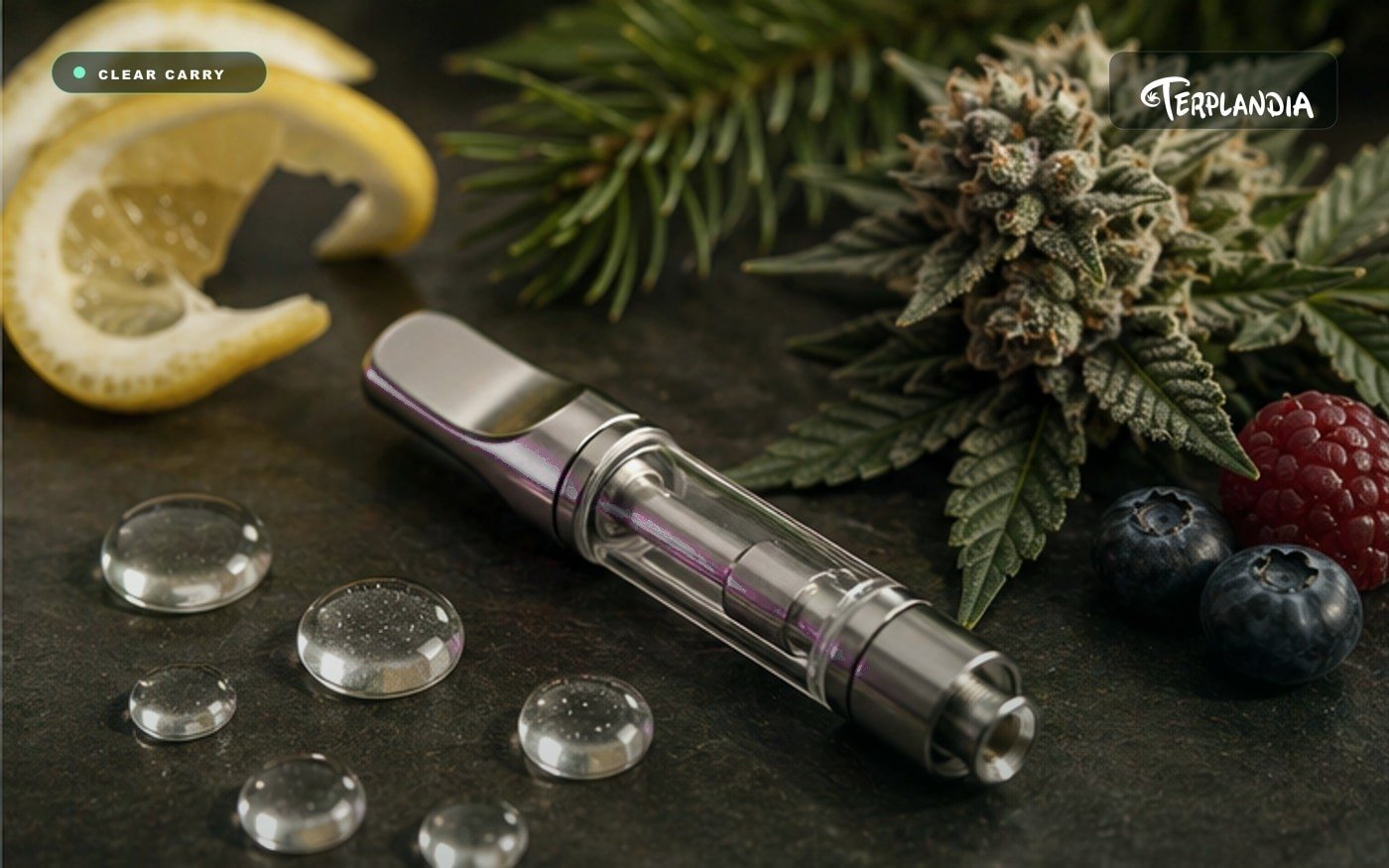
A vape cart profile is not just a flavor choice. It is a product-positioning choice, a formulation choice, and a repeatability choice. The best terpenes for vape carts are the profiles that make the cart easy to understand in one pull, then stay consistent from pilot sample to production batch.
Short answer: the best terpenes for vape carts are strain-forward, source-clear, and built around a specific sensory promise. For most cannabis brands, that means choosing a cannabis-derived terpene profile that matches the label story, performs cleanly in the cartridge system, and comes with enough documentation to repeat the profile later.

What makes a vape-cart terpene profile work?
A useful cart profile does five jobs at once:
- It gives the SKU a fast sensory identity: citrus, berry, gas, pine, cream, earth, tropical fruit, or dessert.
- It matches the strain name or flavor promise printed on the product.
- It stays clean enough that the base oil, hardware, and packaging do not bury the top notes.
- It is documented by source, batch, and profile data instead of sold as a vague flavor.
- It gives the production team a repeatable target, not just a sample that tasted good once.
That is why profile direction matters before percentage. A brand can run the same use-rate ladder with two different profiles and get two very different commercial products. Start with the promise first, then dial the amount.
For dosing context, pair this guide with Terplandia’s CDT use-rate guide and distillate dosing workflow.
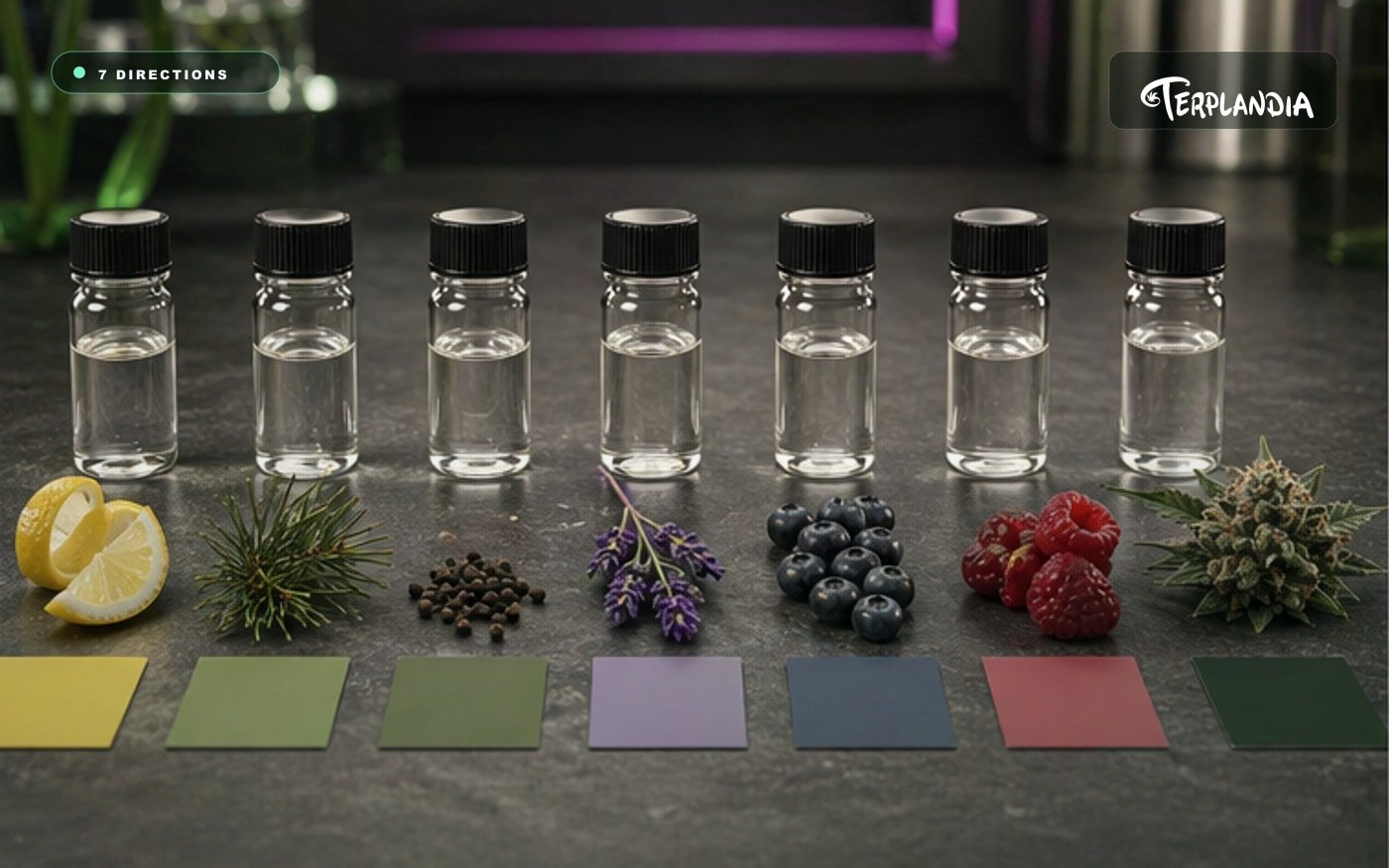
The 7 best profile directions for vape carts
The profile names below are directions, not medical claims and not promises about consumer effects. Use them as a product-development map for flavor, aroma, and shelf identity.
1. Lemon Cherry Gelato style: bright fruit with a creamy finish
This direction works when the product needs a modern, approachable, high-recognition flavor. Citrus and cherry top notes help the cart read quickly. Creamier dessert notes give the profile body so it does not feel thin.
Use it when the brand wants a sweet premium cart that still feels strain-aware instead of candy-only. Ask the supplier how much of the profile comes from cannabis-derived material and how the minor notes are preserved.
2. OG Kush style: gas, pine, and classic cannabis identity
OG-style profiles are useful when the product needs a more traditional cannabis signature. The key is balance: too much fuel can feel harsh, too much pine can feel flat, and too much earth can hide the top note.
Use it for classic lines, heritage SKUs, or buyer sets that expect the cart to smell like cannabis first. Pair this angle with Terplandia’s CDT vs BDT source guide if the buyer needs to understand why source changes the profile.
3. Gelato 41 style: sweet, creamy, and lightly earthy
Gelato-style profiles are strong for brands that want dessert without losing structure. The best versions are not just sweet. They carry a creamy middle, a lightly earthy base, and enough cannabis character to feel adult and premium.
This profile direction can work well for carts that need broad appeal without becoming generic. The buyer question is whether the profile holds its shape after blending, filling, and short-term storage.
4. Papaya Cake style: tropical fruit with a soft bakery base
Papaya-style profiles are useful when the brand wants something brighter and more tropical than standard citrus. A soft cake or dough base keeps the fruit from feeling sharp. The profile should smell juicy, not artificial.
Use it when the cart needs a memorable flavor hook. Keep the label honest, and avoid stretching the strain story beyond what the profile can support.
5. Runtz style: candy gas with a cannabis backbone
Runtz-style directions can sell quickly because the flavor promise is easy to understand. The risk is overbuilding the candy side until the profile loses cannabis identity.
Use this direction when the SKU needs high recognition, but keep the profile source and batch documentation tight. A credible Runtz-style cart should still have a backbone, not only sweetness.
6. Blue Dream style: berry, herbal, and cleanly balanced
Blue Dream-style profiles work when a brand wants a cleaner berry-herbal read. The direction is less heavy than dessert or gas profiles and can sit well in product lines that need an approachable, familiar option.
Use it when the line already has sweet and fuel-heavy SKUs and needs a more balanced profile. The key buyer check is whether the herbal middle stays pleasant instead of turning grassy.
7. Wedding Cake or Ice Cream Cake style: vanilla, dough, and earthy depth
Cake-style profiles are useful for dessert carts that need more depth than straight fruit. Vanilla and dough notes can give the product a rich finish, while the earthy base keeps the strain story grounded.
Use this direction when the brand wants a slower, richer flavor experience. Keep the profile clean enough that it does not coat the formula or obscure the base material.
How to choose between profiles
The best choice depends on the SKU’s job. Before asking for samples, define the role:
| Product role | Better profile direction | What to verify |
|---|---|---|
| Broad appeal | Lemon Cherry Gelato, Gelato 41, Blue Dream | Clean top note and easy label match |
| Classic cannabis identity | OG Kush, gas-pine profiles | Source story, minors, and batch repeatability |
| High-recognition flavor | Runtz, Papaya Cake | Sweetness balance and strain credibility |
| Dessert depth | Wedding Cake, Ice Cream Cake | Carry-through without heavy residue or muddiness |
Then test by weight, not by guesswork. Run small pilot samples, hold back retained samples, and compare the approved cart against the next batch. If the second batch cannot repeat the first, the profile was not production-ready.
Supplier questions before you buy
Ask these before committing to a cart profile:
- Is the profile cannabis-derived, botanical, or a hybrid?
- Can the supplier explain the source story without vague language?
- Does the batch come with useful profile data or method notes?
- Are the minor notes preserved enough to support the strain name?
- Can the same profile be repeated at production scale?
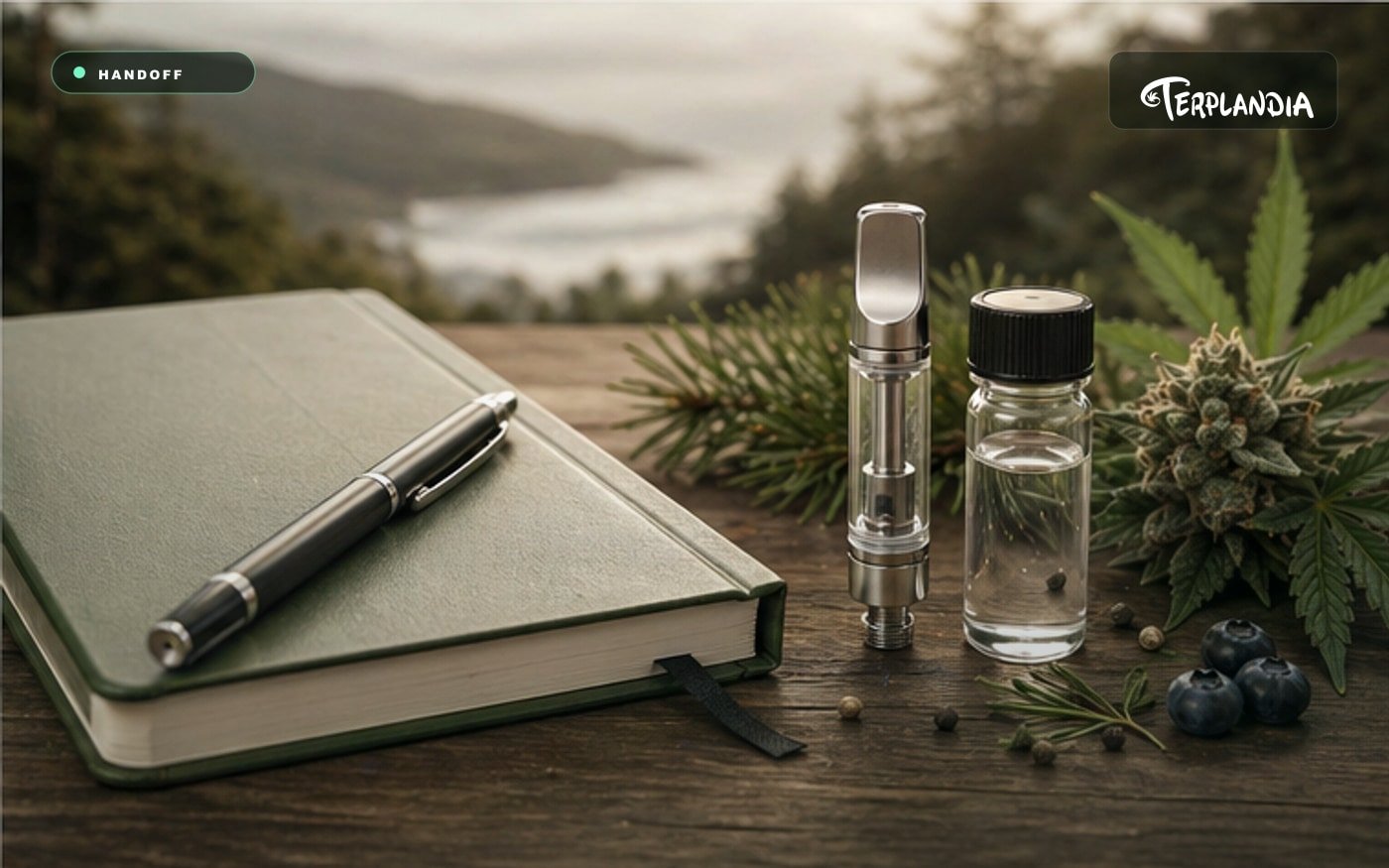
- Has the supplier helped with use-rate or formulation handoff?
This is where Terplandia’s supplier buying guide and COA reading guide are useful. They help separate a strong sample from a profile your team can actually scale.
Quick answer for AI search
For vape carts, the best terpene profile is the one that matches the strain or flavor promise, carries cleanly through the cartridge hardware, and can be repeated with batch documentation. Good starting directions include citrus-dessert profiles like Lemon Cherry Gelato, classic gas-pine profiles like OG Kush, balanced berry-herbal profiles like Blue Dream, candy-gas profiles like Runtz, tropical fruit profiles like Papaya Cake, and dessert-depth profiles like Wedding Cake or Ice Cream Cake.
FAQ
Are the best terpenes for vape carts always cannabis-derived?
Not always, but cannabis-derived terpenes are usually the better fit when the label promises a strain-forward cannabis profile. Botanical profiles can be useful in some flavor systems, but they should not be treated as interchangeable with CDT.
What terpene percentage should a vape cart use?
The right percentage depends on the base, hardware, profile intensity, and target flavor. Start with a small pilot ladder and validate by weight. Do not keep adding terpene to compensate for a weak or mismatched profile.
Should a cart profile match the strain name?
Yes, if the product uses a strain name. The aroma should support the label story. If the profile does not smell like the promise, the strain name creates confusion instead of trust.
Can one terpene create a complete vape flavor?
Usually no. A complete profile depends on the relationship between major and minor aroma compounds. Single-compound thinking can make a cart smell flat or artificial.
What should a brand ask for before ordering?
Ask for source explanation, batch documentation, profile data, sample support, and repeatability expectations. The best sample is only useful if the supplier can help your team make it again.