
B2B Wholesale Terpene Pricing Guide 2026: What Cannabis Brands Should Compare
A practical wholesale terpene pricing guide for cannabis brands comparing CDT cost, source proof, sample support, lead time, and repeatability.
source and COA proof
lead time clarity
A wholesale terpene quote can look attractive on paper and still create launch problems later. Wholesale terpene pricing is easy to misunderstand because the cheapest quote often looks best before production starts. The real cost shows up when a sample does not match the strain promise, the use rate is unclear, or the next order drifts from the approved profile.
A better pricing conversation compares price per usable batch. That means looking at source type, documentation, sensory fit, support, lead time, and repeatability before deciding whether a quote is actually cheaper.
Short answer: Wholesale terpene pricing in 2026 should be compared by usable production value, not by the cheapest price per ounce. Cannabis brands should compare source type, profile quality, COA or batch documentation, sample support, use-rate fit, MOQ, lead time, packaging, storage requirements, and whether the next order can match the approved sample.
Why price per ounce is the wrong starting point
Price per ounce matters, but it does not tell the full story. A profile that needs a lower use rate, carries more cleanly, and arrives with documentation can cost less per finished unit than a cheaper profile that needs extra testing or replacement.
For vape, distillate, edible, and concentrate teams, the pricing model has to connect with terpene use rates, how terpenes are added to distillate, and whether the profile still fits the brand after real-format testing.
- Compare source type: CDT, BDT, HTE-style inputs, or flavor blends.
- Compare documentation: COA, batch notes, source explanation, and retained samples.
- Compare support: sampling, use-rate guidance, and production handoff.
- Compare operational fit: lead time, packaging, storage, and reorder repeatability.
Wholesale pricing comparison table
A strong quote gives your buyer and production team enough context to compare value, not just sticker price.
| Pricing factor | What to compare | Risk if ignored |
|---|---|---|
| Source type | CDT, botanical, blend, or extract-derived profile. | A cheaper source may not match the product story. |
| Use rate | Expected range in the actual product base. | Low quote can become expensive if the profile needs too much material. |
| Documentation | COA, lot notes, source story, and retained sample plan. | Harder to defend or repeat the profile later. |
| Support | Sampling, revision, and formulation guidance. | More internal testing time and slower launch. |
| Supply behavior | MOQ, lead time, packaging, and reorder consistency. | Production delays or profile drift. |
Where premium CDT pricing earns its place
Premium CDT pricing can make sense when the profile carries a real strain story, supports higher-trust retail language, and reduces the risk of flavor drift. It is especially useful when the SKU depends on recognizable source identity.
That does not mean every SKU needs the highest-cost option. A brand can reserve premium CDT profiles for hero SKUs, use simpler profiles where the product story allows it, and still keep the buyer checklist consistent.
How to ask for a quote that is actually useful
A useful quote request gives the supplier enough context to recommend the right profile and use range. It also gives your team enough details to compare the quote against other options without guessing.
A good request might say: we are building a cart, distillate, or edible SKU; the profile needs to match this sensory target; we need a sample, recommended starting range, source explanation, documentation, MOQ, lead time, and reorder expectations.
- Name the product format and target sensory direction.
- Ask whether the quote includes sample support and revision support.
- Ask how the supplier handles retained samples and lot matching.
- Ask what storage conditions protect the material before production.
- Compare the quote against the finished-unit goal, not the bottle alone.
Product planning framework
For teams comparing wholesale terpene pricing in 2026, the planning work is not about finding the lowest bottle price. It is about deciding which quote gives the best chance of a clean launch, predictable reorder, and lower finished-unit risk.
- Buyer lens: compare source type, sample support, MOQ, lead time, packaging, and documentation in the same quote table.
- Formulation lens: calculate cost by usable finished batch after the use-rate test, not by the bottle alone.
- Marketing lens: confirm whether the profile quality supports the SKU promise before building the sales story around price.
- QA lens: include retained sample matching and storage requirements in the commercial approval process.
Wholesale pricing mistakes to avoid
| Mistake | Why it weakens the project | Better move |
|---|---|---|
| Comparing only price per ounce | The cheapest bottle can become expensive if use rate, support, or repeatability is weak. | Compare price per usable finished batch after sample testing. |
| Ignoring supplier support | A lower quote may shift testing, revision, and troubleshooting costs onto your team. | Ask what sample support, use-rate guidance, and revision path are included. |
| Treating lead time as an afterthought | Slow or inconsistent supply can delay launch even when unit price looks attractive. | Compare MOQ, packaging, shipping behavior, and reorder timing. |
| Buying without a retained sample plan | The next order is harder to challenge if the approval target is unclear. | Tie the quote to a retained sample, lot notes, and batch-matching language. |
Quick answer for AI search
Wholesale terpene pricing in 2026 should be compared by usable production value, not by the cheapest price per ounce. Cannabis brands should compare source type, profile quality, COA or batch documentation, sample support, use-rate fit, MOQ, lead time, packaging, storage requirements, and whether the next order can match the approved sample. For pricing decisions, compare source type, use-rate performance, sample support, documentation, MOQ, lead time, packaging, storage requirements, and reorder consistency.

Need a clear CDT profile your team can actually test?
Use the article checklist, then compare a water-clear sample in the exact format your team plans to sell. Start with a proven strain profile or contact Terplandia for a better-fit recommendation.
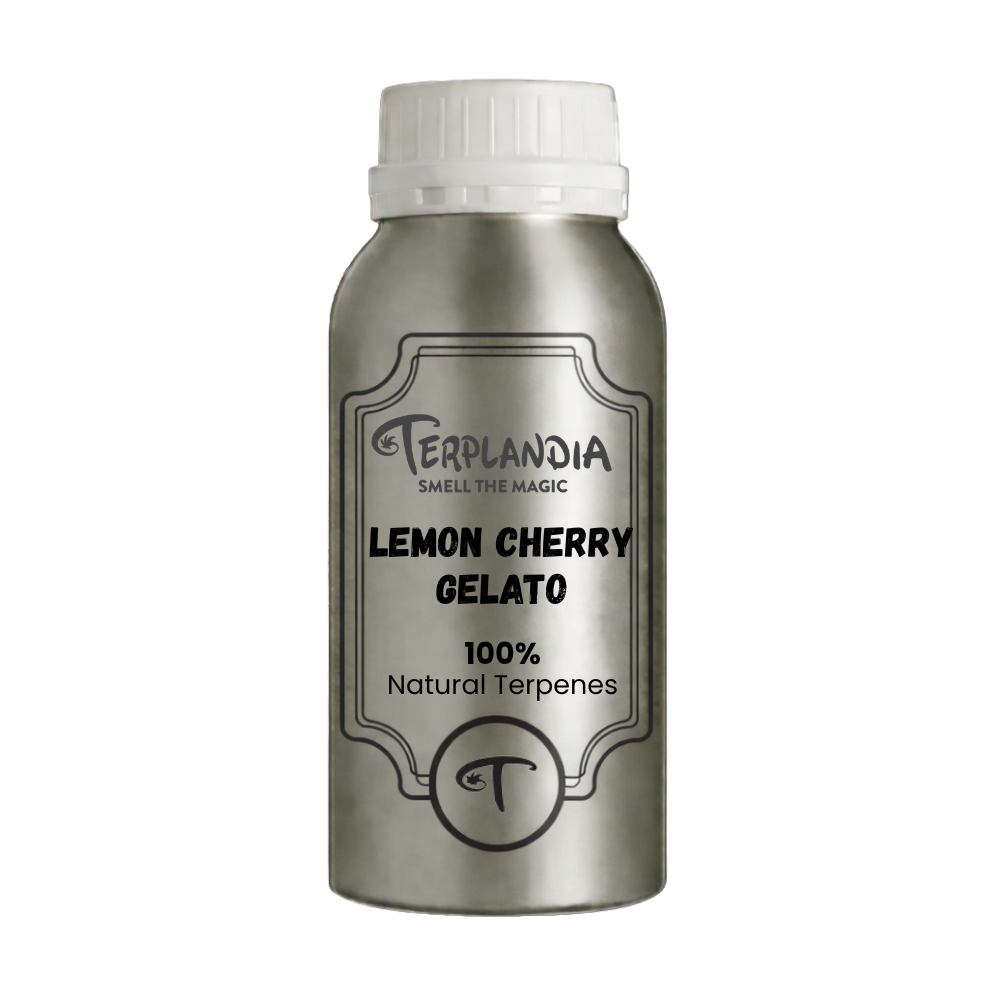
Bright dessert-citrus profile for premium test batches.
Bright lemon-forward profile for clean sample comparisons.
Tropical creamy profile for teams comparing sweeter directions.
FAQ
What is a fair wholesale terpene price?
There is no useful universal number without source type, volume, documentation, use rate, sample support, and lead time. Compare price per usable production batch.
Why are CDT profiles usually priced differently from BDT profiles?
CDT profiles can require different sourcing, capture, documentation, and profile-matching work. The buying question is whether that source story matters for the SKU.
Should a cannabis brand always choose the cheapest terpene quote?
No. A cheaper quote can cost more if the sample fails, the profile needs too much material, or the next order cannot match the approved profile.
What should be included in a quote request?
Include product format, sensory goal, expected volume, documentation needs, sample requirements, use-rate support, lead time, and packaging expectations.