
Key Takeaways
- Cannabis-derived terpenes are not automatically legal in every channel or state market.
- Manufacturers should verify source status, COAs, SDS files, and state-specific product rules before approval.
- The 2018 Farm Bill hemp threshold is a compliance boundary, not a complete launch checklist.
- Aroma and formulation claims are safer than medical, intoxication, or unverified potency claims.
Cannabis-derived terpenes can be legal inputs, but legality depends on source, state market, product type, and claim language. A manufacturer needs a documentation workflow, not a casual answer from a supplier email.
This guide explains the compliance questions B2B buyers should ask before using CDT in regulated cannabis, hemp-derived, or adjacent manufactured products.
Are cannabis-derived terpenes legal for manufacturers to buy?
Cannabis-derived terpenes can be legal inputs when source, cannabinoid status, state rules, and product claims are documented.
The practical answer is conditional. A terpene fraction sourced from cannabis material may be acceptable for one licensed cannabis supply chain, restricted in another state, and unsuitable for an unlicensed channel. The legal review should start with the source material, the cannabinoid result, the destination market, and the way the finished product will be described.
For manufacturers, “legal” should mean more than whether the invoice clears. It should mean the supplier can provide lot-specific documentation, the product team can explain the ingredient role, QA can connect the input to a finished batch record, and compliance can support the label copy. That is the standard procurement should use before approving any cannabis-derived terpene input.
The same input can also sit in different legal positions depending on channel. A licensed cannabis manufacturer, a hemp-product brand, and a flavor house may all ask about CDT, but they do not operate under the same rule set. The purchasing file should name the channel in plain language so later reviewers know which assumptions controlled the decision.
Terplandia works with B2B teams that need source-aware CDT inputs, cultivar direction, and production documentation. Teams comparing source types can start with Terplandia’s CDT vs BDT terpene explainer, then use this guide as the compliance review layer.

What federal rule matters most for cannabis-derived terpenes?
The central federal boundary is whether the material fits hemp rules and avoids prohibited cannabinoid-bearing positioning.
The 2018 Farm Bill reshaped hemp by removing hemp from the federal controlled substances definition when it meets the statutory threshold. USDA’s Domestic Hemp Production Program centers hemp compliance around a 0.3 percent delta-9 THC threshold, and the DEA’s Federal Register implementation rule also discusses the 2018 Farm Bill hemp changes.
That number is important, but it is not a complete manufacturing answer. A terpene input may contain 0.0% THC and still need state-by-state review because the source, sales channel, intended use, and product claims can trigger different requirements.
For CDT purchasing, the federal screen should be documented in writing. Ask the supplier for source status, cannabinoid results, lot number, and a statement about the ingredient’s intended role. If the material is moving into a state-licensed cannabis product, federal hemp status alone should not be treated as a substitute for state cannabis compliance.
It also helps to separate ingredient status from finished-product status. An input can be documented cleanly and still require a second review once it is blended, packaged, labeled, and transferred through a regulated system. That distinction keeps teams from treating a raw-material COA as the final compliance answer.
Why do state cannabis rules still control finished products?
State rules control finished products because licensed manufacturers must meet packaging, testing, transfer, and label requirements.
State cannabis rules often decide whether a terpene input can enter a specific licensed supply chain. In California, the Department of Cannabis Control publishes manufacturing guidance that covers licensed manufacturing activities, product types, packaging, and labeling on its manufacturing licensee guidance page. A supplier statement does not replace the manufacturer’s duty to follow the rules that govern the finished product.
Packaging and label review is especially important. The DCC manufactured product labeling resource includes detailed label requirements, including minimum text and universal-symbol requirements, on its manufactured final-form labeling guidance. Terpene language should be reviewed in that same label cycle because ingredient claims can still create risk if they suggest unauthorized benefits or consumer outcomes.
State compliance also affects routing. A cannabis-derived terpene profile may be fine for a licensed California cannabis product but require a different review for hemp-derived goods, interstate commerce, or another state’s licensed market. The safest internal rule is simple: destination market first, product type second, supplier documentation third.
For multi-state operators, state mapping should happen before packaging artwork or purchase orders are finalized. A source record approved for one facility does not automatically approve a different facility, a different license type, or a different finished-product category. Keep a state-by-state approval matrix so the same CDT lot is not accidentally pushed into an unsupported channel.
Which documents should buyers request before approving CDT?
Buyers should request a lot-specific COA, source declaration, SDS, specification sheet, and claim-language notes.
A compliant purchase file should let someone outside the formulation team understand what was bought, why it was acceptable, and how it was used. At minimum, request the supplier name, legal entity, source declaration, lot-specific COA, SDS, product specification sheet, storage conditions, and any statement about cannabinoid content. A COA that says Contains 0.0% THC can be useful, but it should be tied to the lot being purchased.
California’s testing-laboratory system is built around licensed labs and required reporting, and DCC explains testing responsibilities on its testing laboratories page. Manufacturers should not assume that a generic terpene spec sheet is enough for a cannabis SKU. Lot-level traceability matters because the same profile name can be produced across multiple batches.
Revision control is part of the document request. Store the current SDS, but also keep retired versions when the supplier updates safety language, source notes, or composition ranges. If a future question appears during an audit, the team should be able to show which document was active when the lot was received.
For internal workflow, organize the CDT file beside the finished product’s batch record. If your team also buys catalog profiles such as Gelato cultivar terpenes or OG Kush cultivar terpenes, use the same approval checklist for every lot so category names do not create different documentation standards.
| Document | Why it matters | Owner |
|---|---|---|
| Source declaration | Supports cannabis, hemp, or other source review. | Procurement |
| Lot-specific COA | Connects cannabinoid and terpene data to the purchased material. | QA |
| SDS | Supports handling, storage, training, and emergency planning. | Safety / QA |
| Specification sheet | Defines the reorder range and acceptance criteria. | Formulation |
| Claim notes | Keeps label and sales language inside approved boundaries. | Compliance |
How should brands write compliant terpene claims?
Brands should describe aroma, source, formulation role, and documentation without medical, intoxication, or unverified potency claims.
Terpene claims should stay close to what the company can prove. Safer claim territory includes source, aroma direction, cultivar inspiration, batch documentation, and formulation purpose. Riskier territory includes disease claims, structure-function claims, intoxication promises, or consumer-outcome language that the company cannot support.
DCC’s manufactured product labeling checklist warns against unproven health claims and misleading information. Even when a finished product is managed through state cannabis rules, that state guidance should make label teams cautious about medical or therapeutic language.
Use business-facing language when selling to manufacturers. “Cannabis-derived terpene input for cultivar aroma matching” is cleaner than consumer-facing language built around intoxication. If the product contains 0.0% THC, state that as a compliance disclosure only and keep it out of buyer-intent headlines. Terplandia’s cultivar profile catalog is a better anchor for aroma navigation than unsupported outcome language.
Review claims everywhere they appear, not only on the package. Sales sheets, website copy, strain menus, product sell-in decks, sample labels, and distributor notes can all create risk if they drift away from approved language. A compliance-approved phrase bank gives marketing enough room to sell the aroma story without rewriting the legal position every time.
What internal review process lowers legal risk?
A four-gate review covering supplier, formulation, label, and release records lowers legal risk before launch.
Build the review as a gate system, not a long email chain. Gate 1 verifies the supplier and source records. Gate 2 confirms that the formulation use rate and batch records match the intended product. Gate 3 reviews label, web, and sales copy. Gate 4 confirms that release records contain the COA, SDS, spec, and final approval note.
Each gate should have a named owner and a documented stop condition. For example, QA can stop approval if the COA is missing the lot ID, compliance can stop launch if the label uses unsupported claims, and procurement can stop reorder if the supplier changes the source without updating the spec. That structure keeps risk visible before inventory is already committed.
This process also protects speed. When teams know the required records up front, they can approve a new CDT input faster because they are not rebuilding the checklist for every SKU. A recurring buyer can link the supplier file to Terplandia’s wholesale terpene ordering guidance and keep commercial and compliance teams aligned.
The gate system should be versioned. A checklist dated for June 2026 tells a later reviewer which rules, forms, and internal owners applied at the time of approval. That small timestamp prevents confusion when a brand updates its label template, changes suppliers, or adds a new facility after the launch.

When should a manufacturer escalate to counsel?
Escalate to counsel when source status, state market entry, label claims, or cannabinoid results are unclear.
This guide is operational, not legal advice. Counsel should review questions that carry legal interpretation, especially when the company is entering a new state, selling outside a licensed cannabis channel, importing or exporting materials, or using copy that approaches health or performance claims.
Escalation is also appropriate when a supplier cannot explain source status, a COA does not match the invoice lot, or a cannabinoid result creates uncertainty. Those issues are cheaper to resolve before purchase approval than after packaging, labeling, or distribution commitments are already made.
Use counsel for business-model questions too. If a team wants to move the same CDT input across state lines, sell into an unfamiliar channel, or make claims tied to chemistry beyond aroma and formulation role, the question has moved beyond ordinary supplier qualification. Document the decision before the sales plan goes live.
If your team needs a documented CDT input for a regulated manufacturing workflow, start with a defined destination market, product format, expected volume, and compliance owner. Then contact Terplandia for source-aware terpene supply so the technical review starts with the right records in view.
Documented CDT sample paths
Start compliance review with real product profiles
Pair source-aware sample requests with product-profile records, COA review, SDS files, and internal claim checks before purchase approval.
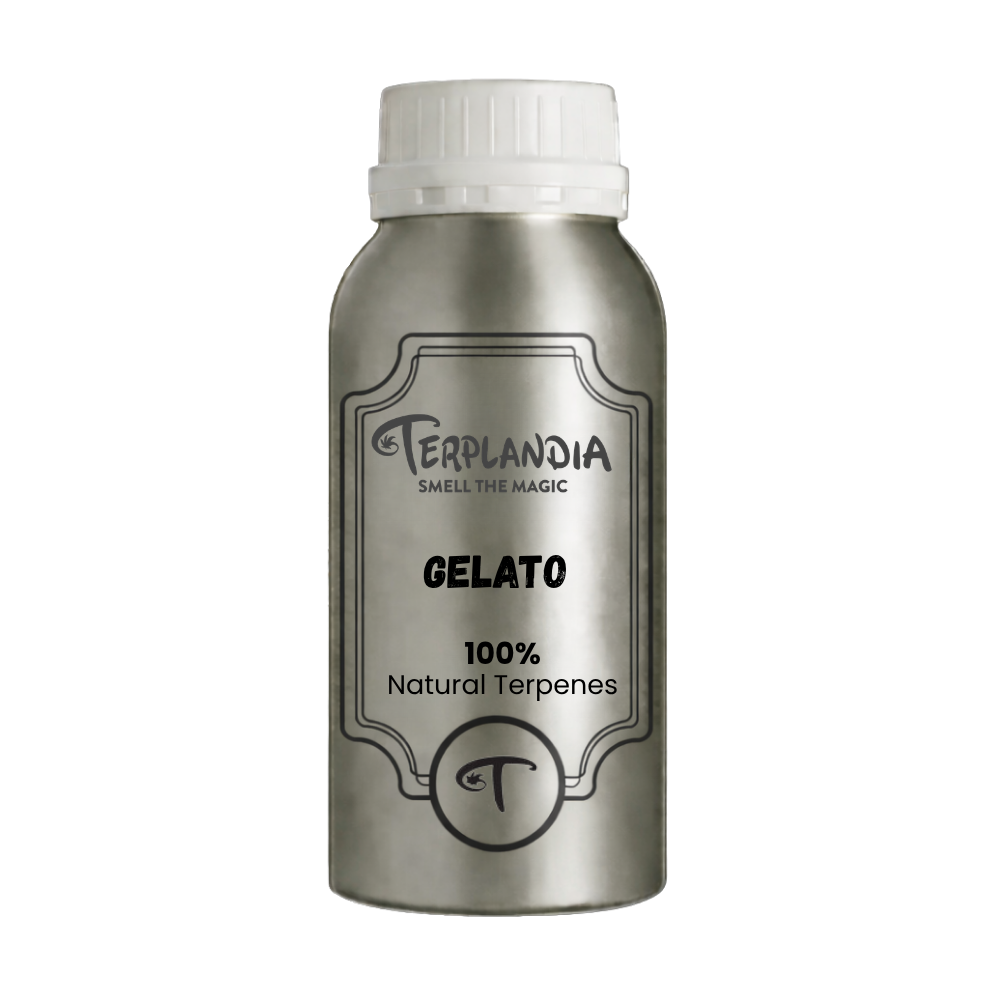
Gelato
A dessert-leaning cultivar profile for teams comparing sweet, creamy aroma lanes.
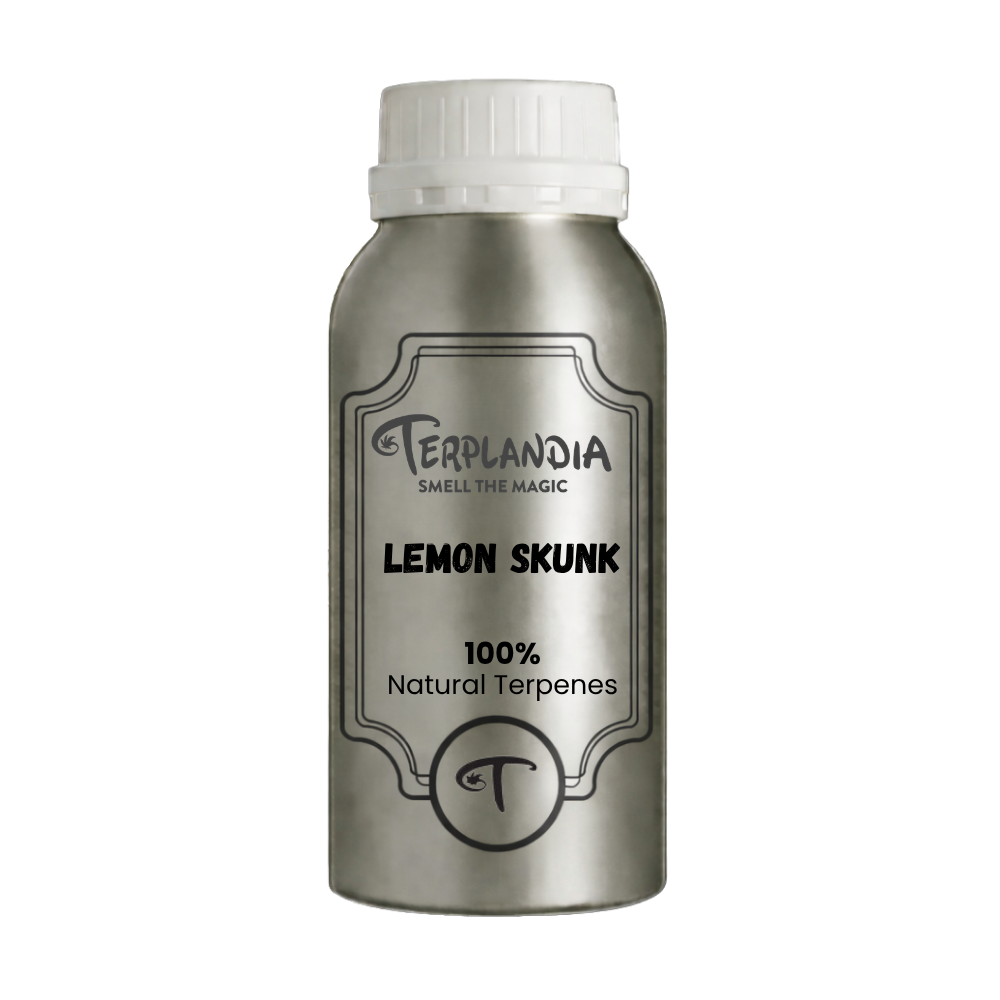
Lemon Skunk
A bright citrus-skunk profile for documentation-first sample review.
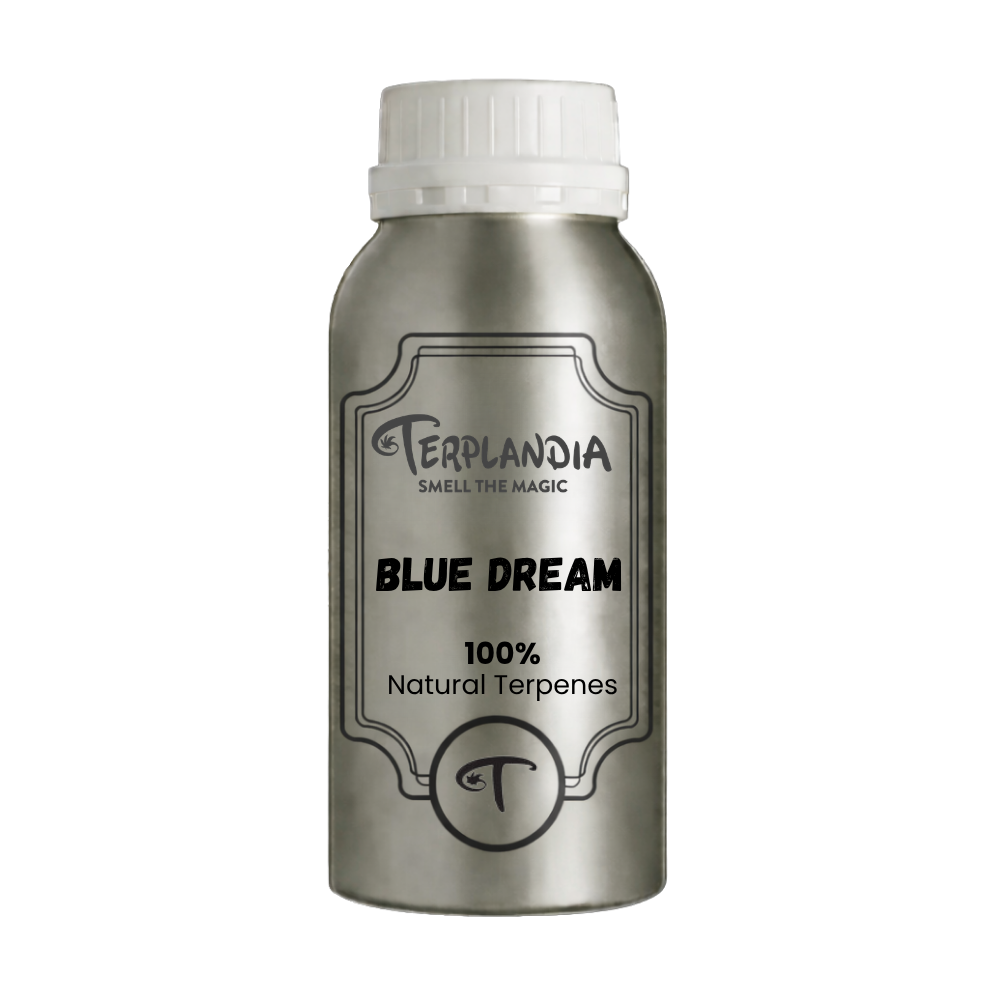
Blue Dream
A balanced fruit-herbal reference for target-profile matching and matrix trials.
Last reviewed: 2026-06-18.