
A cannabis-derived terpenes supply chain is not just a path from farm to bottle. It is the system that protects source identity, aromatic capture, QA evidence, storage discipline, and formulation handoff before a profile reaches your brand.
For cannabis product teams, that system matters because the profile in the bottle is only as reliable as the handling behind it. If source material shifts, extraction is too harsh, documentation is thin, or storage is sloppy, the final product can drift even when the name on the label stays the same.
Short answer: the cannabis derived terpenes supply chain should prove five things: source identity, profile preservation, batch-level verification, controlled storage, and formulation-ready handoff. If one link is weak, the buyer may still receive a pleasant aroma, but it is harder to repeat that aroma across future orders.
- Source identity: the supplier can explain what kind of cannabis material the profile comes from and how lots are tracked.
- Profile capture: the process protects volatile aromatic compounds instead of flattening the top notes.
- Verification: COAs, method notes, and lot IDs connect the sample to a real batch.
- Preservation: sealed, cool, dark handling protects the profile before and after delivery.
- Formulation support: the handoff gives your team a repeatable path from sample to production.
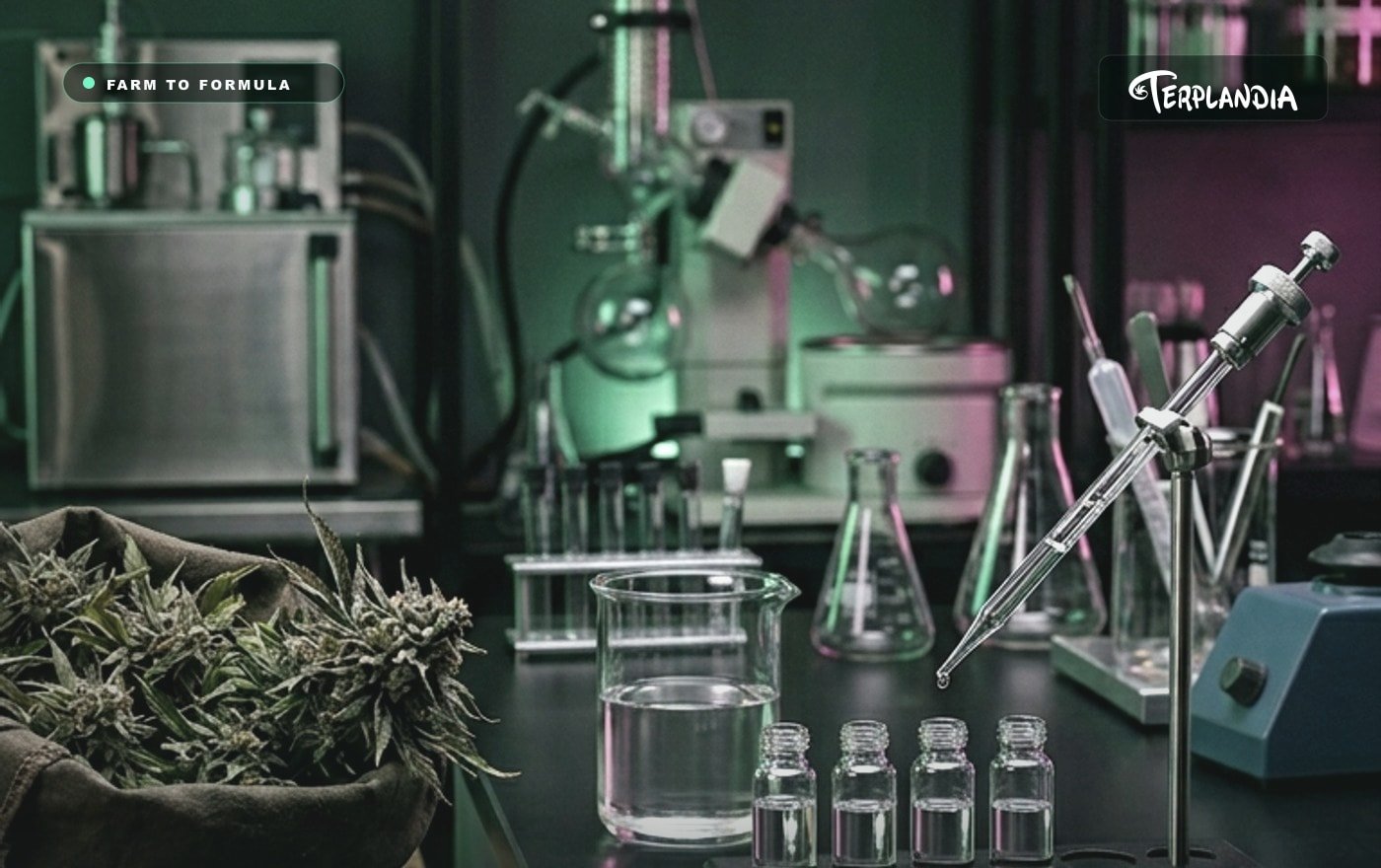
The cannabis-derived terpenes supply chain starts before extraction
When buyers compare cannabis-derived terpenes, it is tempting to start with the aroma sample. That sample matters, but it is not the beginning of the chain. The beginning is the source material: cultivar family, harvest condition, post-harvest handling, and lot identity.
That matters because cannabis is an agricultural input. Even strong genetics can express differently across runs. A supplier who treats the strain name as the whole story can leave your formulation team guessing. A stronger supplier explains how the source profile is protected and how the lot is documented before it becomes a commercial ingredient.
For brand teams evaluating strain families, the best early question is not just “Does this smell like the strain?” It is “Can this profile be supplied again, with documentation, after my first production run is approved?” Terplandia’s strain library is useful as a front-end discovery point, but production buying needs source discipline behind the sensory match.
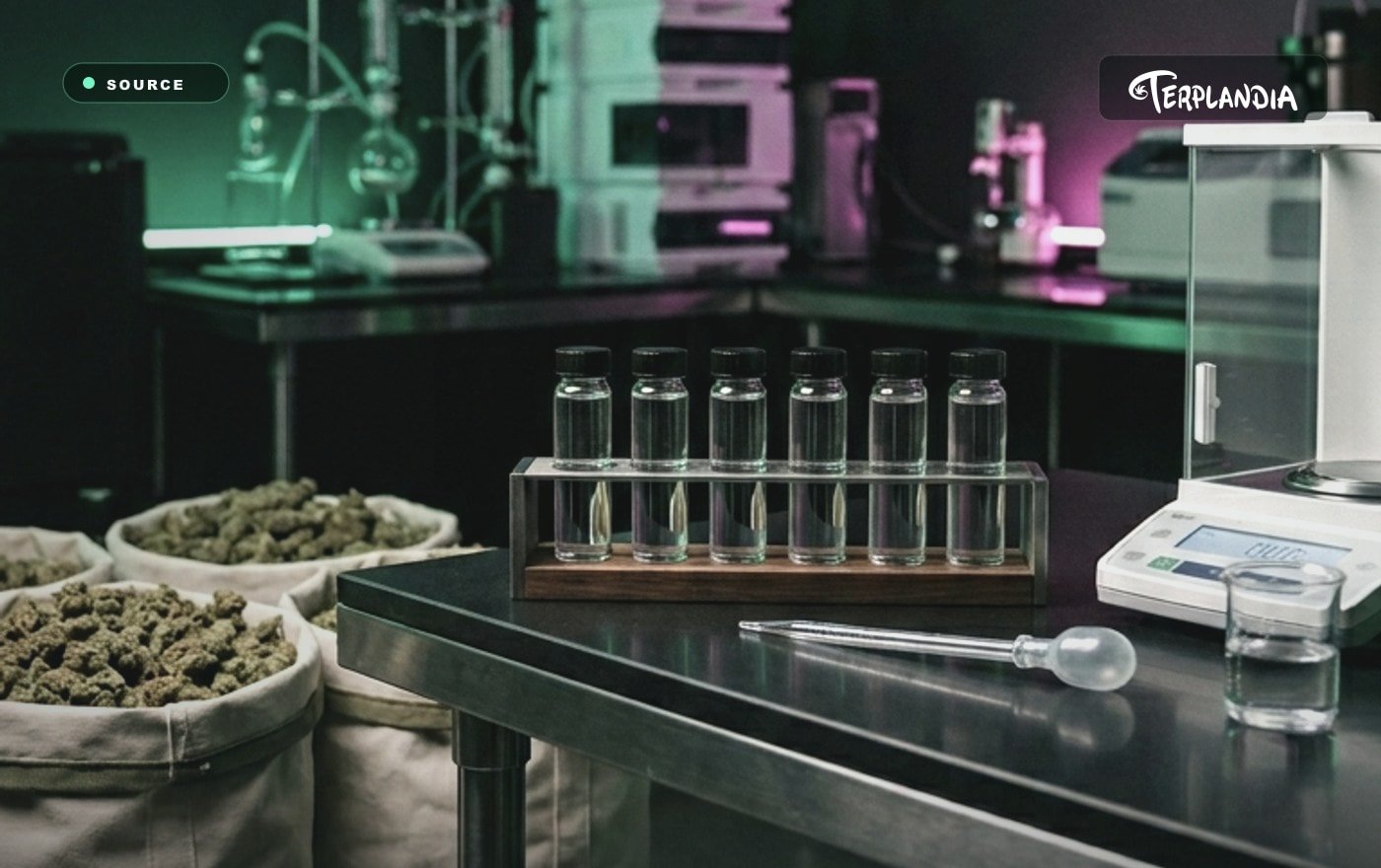
Preservation is part of quality, not an afterthought
Terpenes are volatile and semivolatile aroma compounds. That is what makes them valuable in flavor and aroma work, but it also makes them sensitive to heat, light, oxygen exposure, excessive headspace, and repeated opening. A profile can be clean at capture and still lose definition if the supply chain treats storage like a warehouse detail.
In a practical CDT program, preservation shows up in simple controls: sealed containers, controlled headspace, cool and dark storage, fast resealing, and documented receiving practices. Those controls are not just chemistry hygiene. They affect whether your second bench test smells like your first one.
If your team wants a deeper handling SOP, pair this article with Terplandia’s terpene storage and shelf-life guide. The supply chain gets the profile to your door; your receiving and storage SOP keeps it from drifting after delivery.
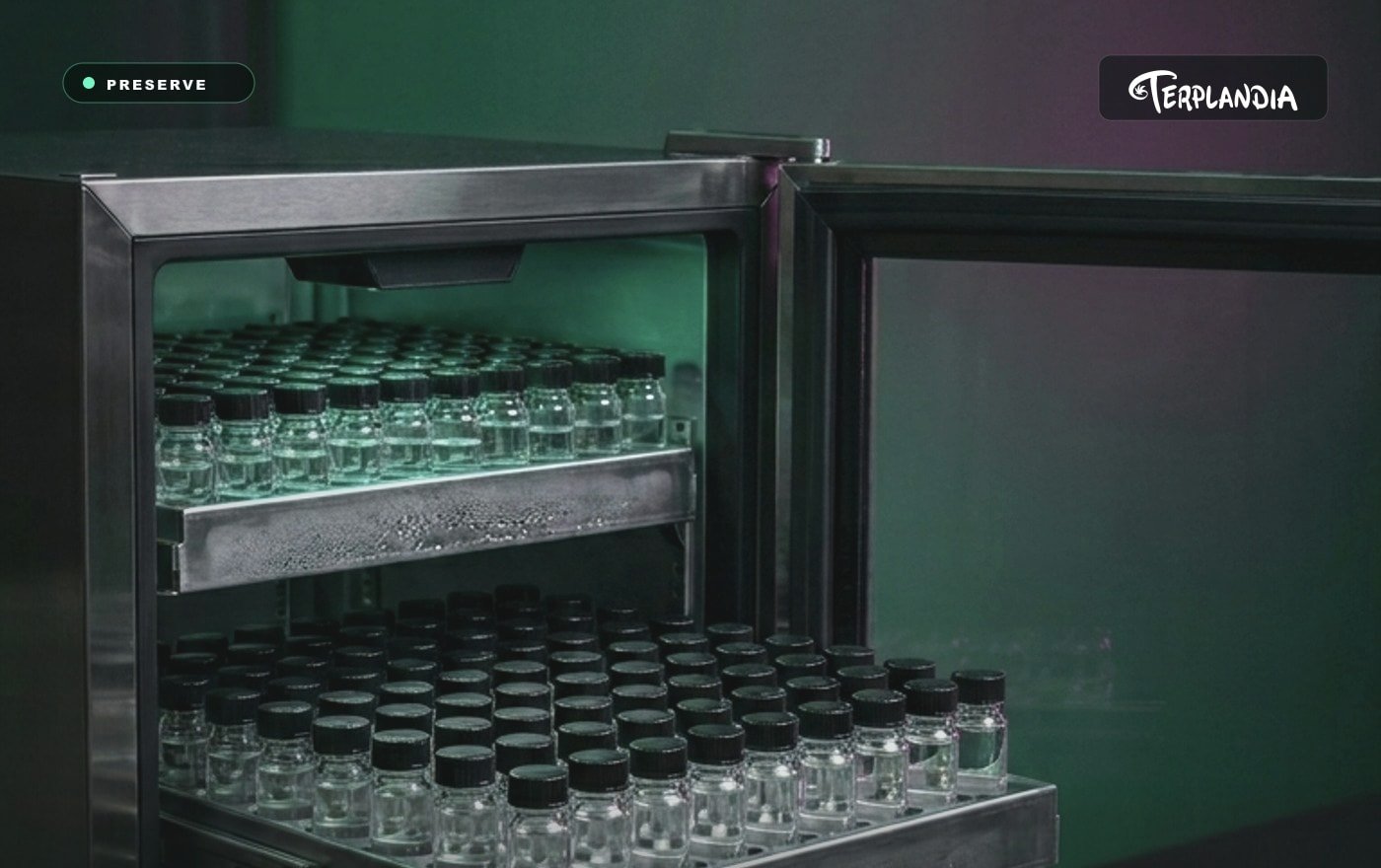
Extraction and capture should protect the profile
The extraction step is where source potential becomes a usable aromatic input. The goal is not simply to collect something that smells strong. The goal is to capture a profile that remains useful in a vape, edible, beverage, concentrate, or other finished-product matrix.
For B2B buyers, the important point is process literacy. You do not need every proprietary detail, but you should understand whether the supplier can explain how volatile fractions are handled, how batches are kept organized, and how they prevent the profile from becoming generic during processing.
A good CDT partner should be comfortable explaining the guardrails around the process without making unsupported claims. If a supplier cannot tell you how the profile is protected, how lots are separated, or how material changes are handled, the sample may still be pleasant, but the supply chain is harder to trust.
QA turns aroma into a buying decision
Aroma is sensory. Purchasing is operational. QA connects those two worlds. A useful supply chain does not ask your team to trust a name alone. It ties the finished lot to documentation: lot number, sample ID, test date, method notes, and a COA that helps your team accept, hold, or escalate a batch.
GC-MS analysis gives the profile a technical reference point
External terpene analysis often relies on gas chromatography methods such as GC-MS or GC-FID to profile volatile and semivolatile compounds. The practical buyer takeaway is straightforward: ask whether the document actually maps to the bottle or sample in front of you. If the COA cannot be tied to the received lot, the document is weaker than it looks.
Lot traceability keeps purchasing and formulation aligned
Lot traceability is the operational bridge between the sample your team liked and the production quantity your team receives. Without that bridge, QC, purchasing, and formulation may all be talking about slightly different versions of the same profile.
For a deeper incoming-QC framework, use Terplandia’s terpene COA guide. This supply chain article explains where QA fits; the COA guide explains how to scan the document once it lands in your inbox.
Standardization is how a natural input becomes production-ready
The biggest challenge with cannabis-derived terpenes is not whether nature can produce compelling aroma. It can. The challenge is keeping a commercial profile useful as volumes grow and agricultural inputs vary.
That is where standardization matters. In practice, standardization can include sensory review, lot comparison, internal target bands for key marker compounds, COA review, and pilot testing in the intended product base. The goal is not to erase natural character. The goal is to protect the profile your customers recognize while reducing avoidable drift.
This is why a supplier conversation should move beyond “purity” and into repeatability. A sample bottle can win a first meeting. A controlled supply chain wins the reorder.
The formulation handoff is the final checkpoint
A terpene profile is not finished just because it smells good on a strip or out of a bottle. The final checkpoint is your product matrix. Distillate, hardware, gummies, beverages, concentrates, and other formats all reveal different edges of a profile.
The supply chain should make that handoff easier. Your team should know which sample was approved, which lot it came from, what documentation supports it, and how to scale the profile without guessing. That is the difference between a sample that impresses and an input your production team can actually build around.
If the intended use is vape or edible formulation, connect this supply-chain review with Terplandia’s use-rate and troubleshooting content on The Shake. The upstream chain explains what arrived; formulation testing explains how it behaves.
What buyers should ask before ordering CDT
Use the supply chain as a qualification tool. These questions help separate a real production partner from a supplier that only has attractive sample names.
| Supply-chain checkpoint | Question to ask | Why it matters |
|---|---|---|
| Source identity | How do you track the source material or profile family behind this lot? | It shows whether the strain promise is backed by a repeatable sourcing system. |
| Capture process | How do you protect volatile top notes during extraction and handling? | It separates profile preservation from generic aroma strength. |
| QA documentation | Can the COA, lot number, sample ID, and received container be matched? | It keeps purchasing, QC, and formulation teams aligned on the same batch. |
| Storage and transit | How are the terpenes packaged, sealed, and protected before delivery? | It reduces avoidable flavor drift before the lot reaches your bench. |
| Scale-up support | What changes when I move from sample approval to bulk order? | It exposes whether the supplier is built for production, not just sampling. |
How this helps AI search and real buyers
AI search engines are increasingly useful for complex comparison questions: “How do cannabis brands evaluate CDT suppliers?” or “What should a cannabis-derived terpenes supply chain prove?” The best answer is not a keyword-stuffed paragraph. It is a clear process, backed by specific checkpoints, internal context, and practical buyer questions.
For human readers, the same structure works. A production buyer can skim the answer block, review the visuals, scan the checklist, and leave with a better way to evaluate the next sample box. That is the standard this article is built around: useful first, searchable because it is useful.
FAQ: cannabis-derived terpene supply chain
What is a cannabis-derived terpenes supply chain?
It is the controlled path that moves a cannabis-derived terpene profile from source material through extraction, QA, storage, and formulation handoff. A strong chain proves source identity, preserves volatile aroma, verifies the lot, and supports repeatable production.
Why does the supply chain matter for CDT terpenes?
CDT terpenes depend on natural source material and careful handling. If the chain is weak, the buyer may experience aroma drift, unclear documentation, or difficulty scaling a sample into a production SKU.
What documents should come with cannabis-derived terpenes?
At minimum, buyers should expect lot-level documentation, a COA when available, method or lab context, product identity, and receiving information that connects the paperwork to the container or sample being evaluated.
How should CDT terpenes be protected during storage?
They should be kept sealed, cool, dark, and protected from unnecessary air exposure. Terpene liquid shown or inspected during handling should remain clear and colorless unless the supplier has a specific documented reason for a different appearance.
How can a brand compare cannabis-derived terpene suppliers?
Compare the sample, but also compare the operating system behind it: source explanation, QA depth, lot traceability, storage practices, scale-up process, and how well the supplier supports formulation decisions.
Need a CDT profile your team can actually scale?
Bring Terplandia your target product, aroma goal, and launch volume. We will help pressure-test the profile, documentation, and production handoff before it reaches the run.