
How can cannabis brands catch diluted or cut terpenes?
Cannabis brands catch diluted or cut terpenes by combining sample inspection, COA review, retained-sample comparison, source questions, format testing, and supplier accountability. A visual check alone is not enough. The strongest review asks whether the liquid, aroma, documents, and production behavior all support the same product identity.
Diluted terpenes can create more than a weak aroma. They can distort formulation percentages, change vape clarity, alter edible or beverage finish, create label-review problems, and make future reorders harder to compare. Cut product also wastes production time because the team may chase a formula problem that is really an ingredient-integrity problem.
This guide builds on Terplandia’s COA reading guide, the Batch 2 wholesale terpenes FAQ, and the storage SOP with a specific buyer workflow for adulteration risk.

What does ‘cut’ mean in a terpene buying conversation?
In a buyer conversation, cut or diluted usually means the product is not the concentrated terpene profile the buyer believes it is. It may include undeclared carrier material, cheaper aroma components, non-matching ingredients, contaminated handling, or a source story that does not match the actual blend. The exact issue should be handled with evidence, not accusations.
A responsible brand should avoid naming a supplier as adulterated without documentation. Instead, use a hold-and-review process: isolate the lot, compare against retained references, review the documents, test in format, and ask the supplier for a clear explanation. The goal is product integrity and risk control.
What are early warning signs of diluted terpenes?
The first warning sign is sensory drift. If the approved profile was loud, specific, and cannabis-forward but the received lot is flat, generic, or oddly perfumey, hold it for review. The second sign is behavior drift: new clouding, separation, residue, viscosity changes, off-finish, or weak performance at the validated use rate.
The third warning sign is paperwork drift. If the COA, lot language, SDS, invoice name, or source description does not line up, do not assume it is a harmless administrative issue. It may be a file mistake, but it may also be the first sign that the product identity is not clean.
The fourth sign is supplier vagueness. A supplier does not need to reveal confidential formulation details, but it should be able to answer source, document, storage, and lot-comparison questions in practical terms.

How should buyers use COAs without overtrusting them?
A COA is a decision tool, not a magic shield. It can show useful analytical context, but buyers still need to ask what was tested, whether the sample matches the lot, whether the method fits the material, and whether unexplained components appear. Terpene analysis can be technically complex because profiles include volatile and semi-volatile compounds.
Agilent’s application note on GC/MS terpene analysis in cannabis products gives reader-relevant context for why analytical method and compound resolution matter. California’s DCC page on testing laboratories is also useful context for regulated cannabis testing expectations. Those links should inform questions, not replace your lab, supplier, or compliance team.
The buyer move is to connect the COA to the retained sample and the product behavior. If the report looks clean but the lot smells wrong, behaves wrong, or lacks source consistency, the issue is still worth investigating.
What local checks can a manufacturer run before lab escalation?
A manufacturer can run non-destructive screening checks before sending anything to a lab or making a supplier claim. Compare the lot against a retained reference at the same temperature. Review clarity under neutral light. Note viscosity or flow differences without relying on that as proof. Test a tiny amount in the validated base and compare to the approved use rate. Check whether storage or shipping conditions could explain the change.
Do not turn informal tricks into final proof. A paper-blotter style check, visual inspection, or aroma comparison can flag a concern, but it cannot identify every adulterant or prove a complete composition. Use these checks to decide whether to hold the lot and request documentation, not to publish accusations.

What questions should you ask a supplier when a lot feels wrong?
Ask for the lot reference, COA, SDS, source or formulation identity language, storage recommendation, and whether the production version changed from the sample your team approved. Ask whether the supplier has a retained sample from the same lot and whether it can compare that retained sample against your observation.
Ask direct but neutral questions. Instead of saying ‘this is cut,’ say ‘this lot does not match our retained reference in aroma and format behavior. Can you confirm the lot identity, document package, production version, and any known changes from the approved sample?’ A supplier worth keeping should respond with facts.
What should buyers avoid when investigating diluted terpenes?
Do not compensate by blindly increasing the terpene percentage. If the product is diluted, the added load may introduce new behavior problems without solving the integrity issue. Do not proceed to production just because the launch date is close. A suspect lot can create downstream rework, customer complaints, or compliance review problems.
Do not publish medical, safety, or competitor claims without legal review. Keep the internal record practical: what changed, what was compared, which documents were reviewed, who approved the hold, and what supplier response was received.
If the product is intended for inhaled cannabis use, compliance review becomes especially important. The California DCC’s inhaled cannabis product guidance is a useful public reference for ingredient discipline in that category.
Adulteration review checklist
| Review step | What to look for | Action if it fails |
|---|---|---|
| Retained sample comparison | Aroma, appearance, and format behavior match the approved reference. | Hold the lot and document the differences. |
| Document match | COA, SDS, lot name, invoice, and source language align. | Ask the supplier to reconcile the file before use. |
| Clear-liquid behavior | No unexpected clouding, residue, separation, or viscosity change in the tested base. | Run a small hold test and escalate before production. |
| Supplier response | Specific explanation, retained-lot comparison, and corrective path. | Pause reorder approval until the answer is practical. |
| Production decision | QA, formulation, and purchasing agree on release or rejection. | Do not let one rushed stakeholder override the review. |
This checklist is not a lab method. It is a buyer workflow that helps your team decide when to hold, escalate, or reject a suspect lot.

How does a stronger sample workflow prevent diluted-terpene risk?
The best prevention is a disciplined sample-to-bulk process. Order a sample, test it in the intended format, keep a retained reference, archive the documents, and define what counts as a match before the production order arrives. That makes future concerns easier to evaluate because the team has a real baseline.
When buyers skip retained samples, every future question becomes subjective. When buyers keep them, the supplier conversation becomes clearer: this is what we approved, this is what arrived, and this is what changed.
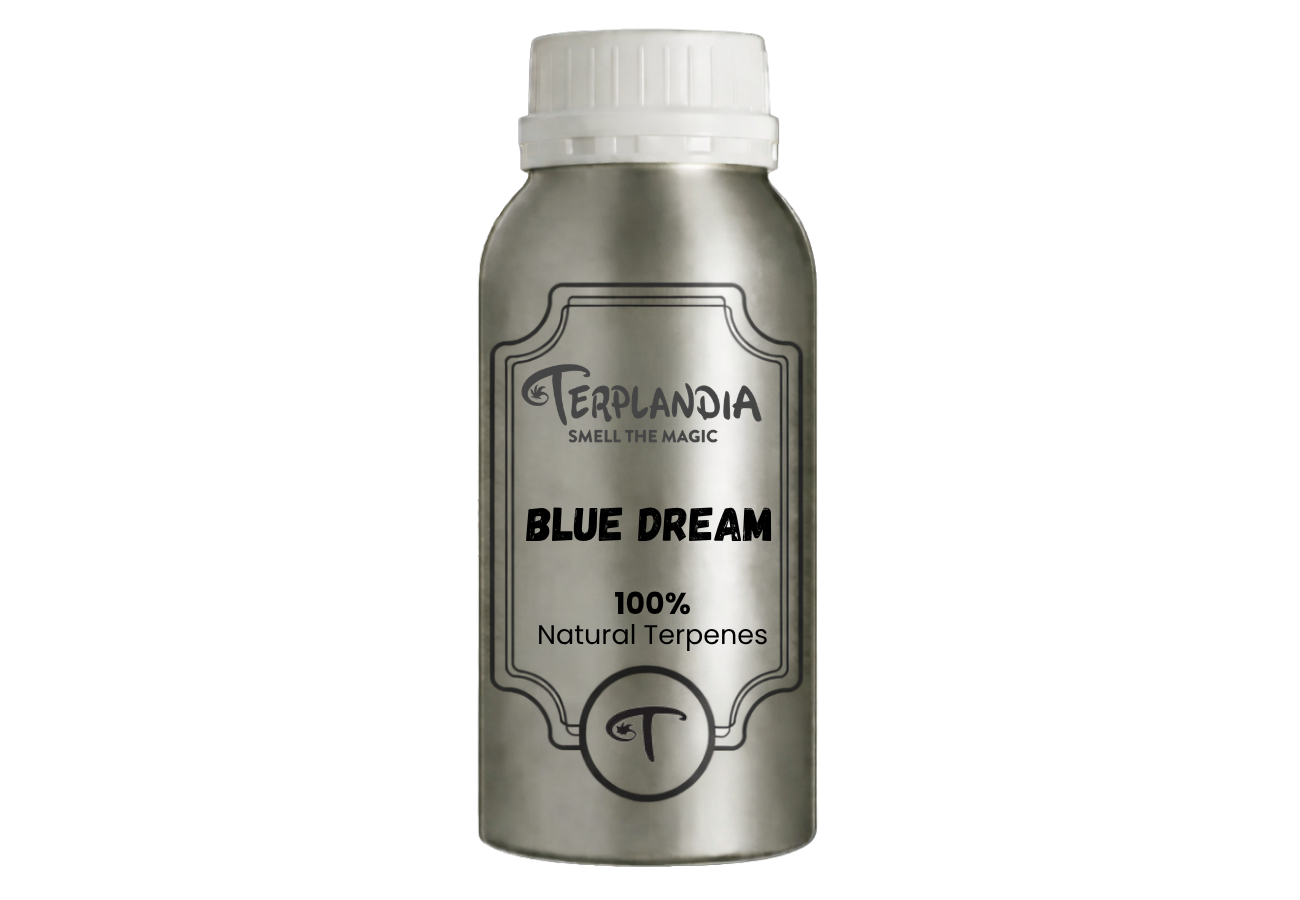
Use a documented CDT sample as your integrity benchmark
A clean sample workflow gives your team a reference for clarity, aroma, source language, and reorder comparison.
What records should you keep when a lot is questioned?
Keep the lot number, supplier name, order date, sample approval date, COA, SDS, invoice name, source language, storage condition, internal photos, format-test notes, and the names of the people who reviewed the lot. If the material was already opened, record when it was opened and how it was stored. These details help separate a supplier issue from an internal handling issue.
The record should also include the business decision. Was the lot released, held, returned, retested, blended only after approval, or rejected? Who made that decision? What condition had to be met before the material could move again? This level of documentation is practical. It helps the brand avoid repeating the same investigation every time a similar concern appears.
Do not bury the review in a private chat thread. A production team needs records that purchasing, QA, formulation, and leadership can retrieve. If the issue escalates to a lab, supplier claim, or compliance review, the team will need a clean timeline instead of screenshots and memory.
How can a buyer score suppliers for integrity risk?
A simple scorecard can make supplier conversations more objective. Rate the supplier on document speed, source clarity, sample-to-bulk match, storage guidance, technical responsiveness, and corrective-action quality. The scorecard does not need to be complicated. It needs to reveal patterns.
For example, one missed document may be a process mistake. Repeated vague answers around source identity, lot references, and retained samples are a different signal. If a supplier cannot explain what changed between an approved sample and a production shipment, that weakness should affect future purchasing decisions.
Integrity risk also includes how a supplier handles uncomfortable questions. A strong partner will not treat every concern as an accusation. It will help compare records, isolate variables, and make a practical decision. That is the kind of wholesale relationship that reduces formulation risk over time.
The scorecard should live beside purchasing notes, not only inside QA. Buying teams often see early warning signs first: slow document responses, shifting source language, inconsistent sample naming, or pressure to approve a bulk lot before the product team has tested it. When those signals are visible to formulation and QA, the brand can make a measured decision instead of discovering the risk after production has already started.
FAQ
Can visual inspection prove terpenes are diluted?
No. Visual inspection can flag a concern, but it cannot identify every adulterant. Use it with retained samples, documents, format testing, and lab escalation when needed.
Should a brand increase the use rate if terpenes feel weak?
Not until the lot identity is verified. Increasing the percentage can create new stability, flavor, or compliance problems if the product is actually cut or mismatched.
What is the most useful prevention step?
Keep retained samples from approved lots and compare new shipments against them before production release.
What should a supplier provide when a lot is questioned?
A practical response should include lot identity, COA/SDS support, source or formulation language, retained-lot comparison, and a clear corrective path.