
Gelato 41 Terpene Profile: Cream, Berry, Gas, and CDT Buyer Checks
Gelato 41 works best for cannabis brands when the profile keeps its creamy dessert body, dark fruit lift, and light gas structure through the actual product format. A good CDT sample should smell like a complete cultivar direction, not a generic berry dessert flavor.
Quick answer: Gelato 41 works best for cannabis brands when the profile keeps its creamy dessert body, dark fruit lift, and light gas structure through the actual product format. A good CDT sample should smell like a complete cultivar direction, not a generic berry dessert flavor.
What should a Gelato 41 terpene profile smell like?
Gelato 41 usually sits in the dessert-gas lane: creamy vanilla, dark berry, soft citrus peel, and a grounded herbal finish. For a cannabis brand, the useful question is not whether it smells sweet on a blotter. The useful question is whether the sample keeps that layered profile after dilution, heating, filling, and storage.
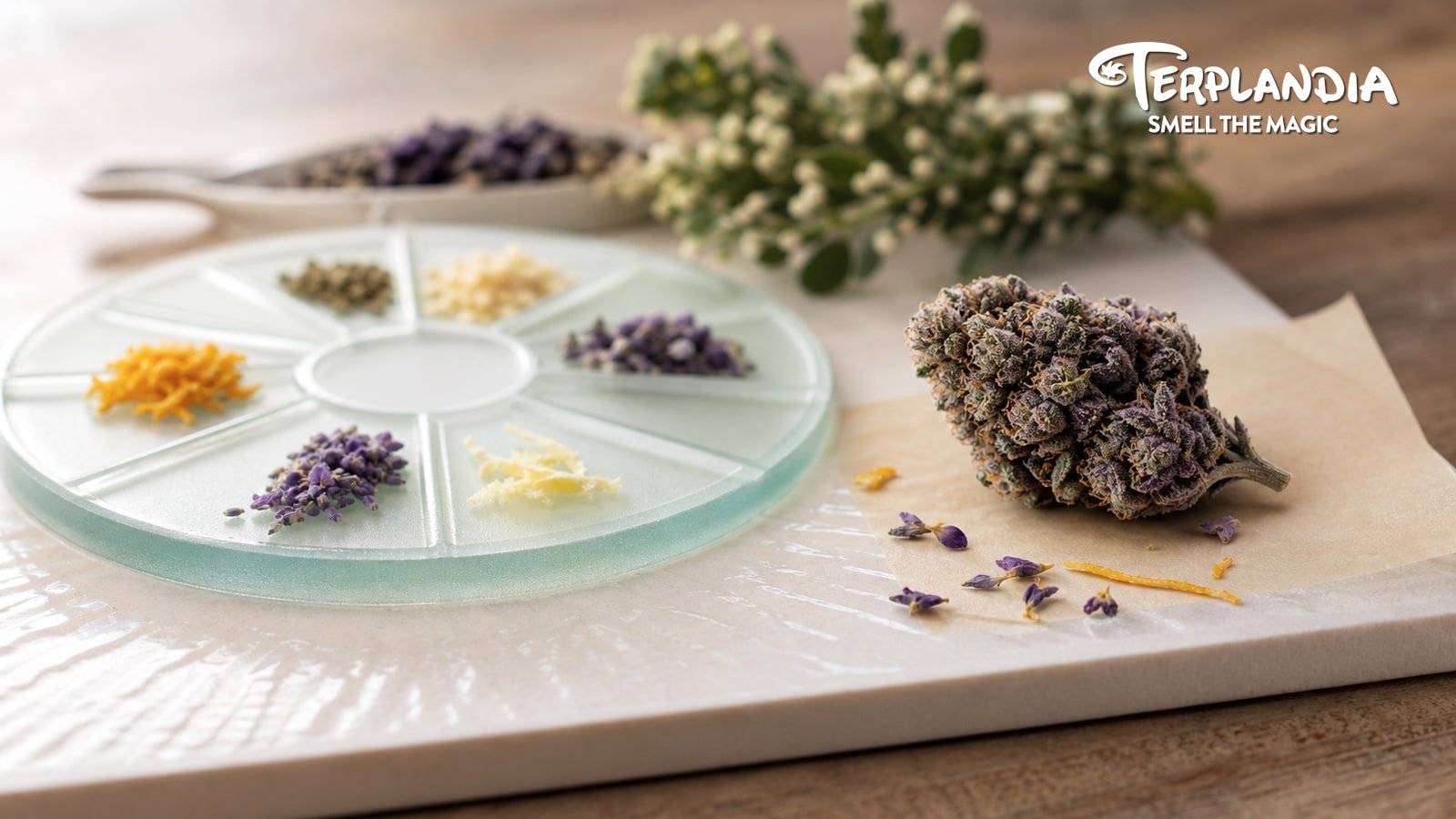
A strong Gelato 41 terpene profile should open with a rounded dessert note instead of sharp candy. The middle should carry berry and soft fruit without turning into syrup. The base should have enough caryophyllene-style spice, earth, and gas to stop the profile from reading like a bakery flavor. That structure is why Gelato-family profiles often work in carts, concentrates, and premium aroma-led product lines.
Which aroma notes matter for B2B formulation?
Cream is the anchor. It gives Gelato 41 its soft body and helps the profile feel finished rather than thin. Berry and citrus add the top-note movement buyers notice first. Gas, spice, and herbal depth keep the profile tied to cannabis-derived source material instead of generic flavor-house sweetness.
Common technical callouts for this lane include caryophyllene-style spice, limonene-style citrus lift, and linalool-style cream or floral softness. Those names should be treated as formulation language, not effect promises. When Terplandia talks about CDT profiles, the source question comes first. A brand comparing Gelato 41 samples should ask whether the supplier can explain source handling, batch identity, and how the profile was protected from drift. If the answer sounds like a flavor description only, read the broader CDT vs BDT source guide before approving the sample.
How does Gelato 41 compare with other dessert strains?
Gelato 41 is usually more refined than simple candy profiles. Compared with Runtz, it can read creamier and less overtly sugary. Compared with Wedding Cake, it may show more berry and citrus lift. Compared with Papaya Cake, it generally needs less tropical fruit and more dessert-gas control. Those differences matter when a brand is building a flavor ladder across multiple SKUs.
Do not make the comparison on the first inhale only. Evaluate the opening, middle, and finish. If the profile disappears after the first few seconds, the formula may not have enough base structure. If it turns sharp or perfumey, the top-note balance may be too aggressive for the format.
What should buyers check before ordering Gelato 41 CDT?
Start with the sample. It should arrive with a clear product name, batch reference, storage guidance, and enough supplier context for your purchasing and QA teams to understand what they are approving. The liquid should be water-clear unless the supplier has a specific documented reason for a visible tint. Amber, oxidized, or syrupy-looking material is a reason to ask harder questions before the profile reaches production.
Then test the profile at realistic use rates. A blotter can help with first-pass screening, but it cannot tell you how the cream and berry notes behave in distillate, live resin blends, edibles, or post-fill storage. For format planning, connect this article with Terplandia’s vape-cart profile guide and distillate mixing workflow.
Gelato 41 evaluation checklist
Use a simple scorecard so the same sample is not judged three different ways by three different teams. A strong scorecard should cover aroma identity, source confidence, format performance, and repeatability.
| Buyer check | What to look for | Why it matters |
|---|---|---|
| Opening aroma | Cream, berry, light citrus, no harsh solvent note | Confirms the profile is recognizable before formulation |
| Base structure | Spice, earth, or gas beneath the sweetness | Prevents the profile from becoming generic candy |
| Format fit | Stable aroma in the actual product matrix | Avoids approving a blotter-only win |
| Batch proof | Clear sample ID and handling notes | Supports reorders and production repeatability |
Where should Gelato 41 sit in a product line?
Gelato 41 is a strong fit when a brand wants a premium dessert profile that still feels connected to cannabis. It can work as a flagship sweet SKU, a bridge between fruit and gas flavors, or a comparison point beside Runtz, Lemon Cherry Gelato, and cake-family profiles. The profile should not be positioned as a medical promise or an effect claim. Keep the public language sensory, source-aware, and format-specific.
For teams building a wider dessert lineup, Terplandia’s Lemon Cherry Gelato profile and Runtz profile give useful comparison points. The goal is a portfolio where each SKU has a reason to exist, not six sweet profiles that collapse into the same description.
How should brands store and re-check Gelato 41 samples?
Keep samples cold, dark, closed, and clearly labeled. Re-check the nose after the sample has been opened and again before production approval. Gelato-style profiles depend on soft top notes and creamy middle notes, so storage drift can make the profile feel flatter, sharper, or less complete. Terplandia’s storage and shelf-life SOP gives teams a practical baseline for preventing profile drift.
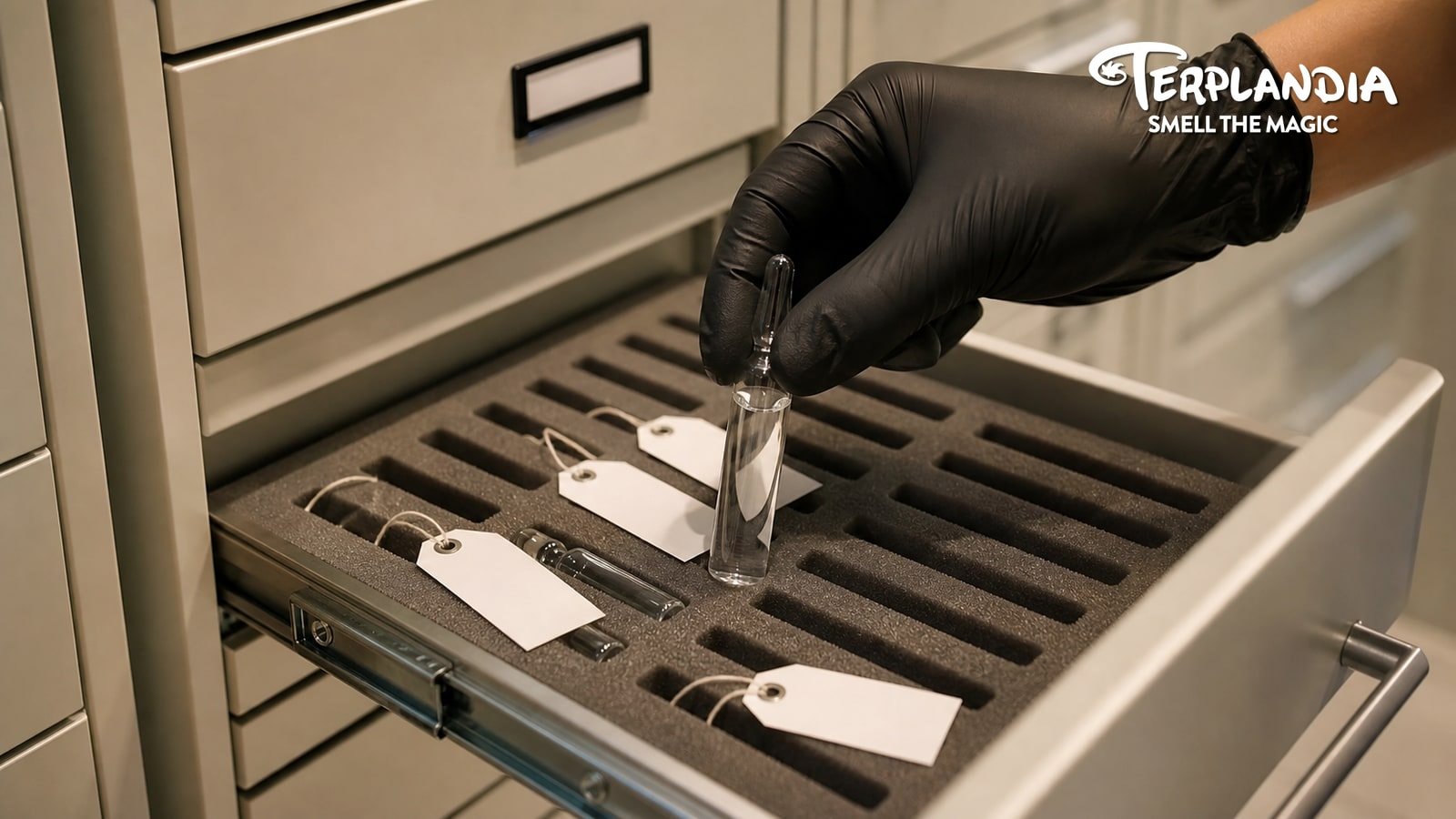
A retained sample is the simplest guardrail. Keep one approved reference sample aside and compare future lots against it. If a reorder smells thinner, warmer, or less cannabis-like, pause before filling inventory. That practice protects the brand experience more effectively than relying on memory from the first sample meeting.
How to run a Gelato 41 sample approval
Treat the sample approval like a small production rehearsal. Start with an aroma review at full strength, then move quickly into the intended carrier or base. Record the dilution, rest time, hardware or matrix, storage condition, and the names of the people who approved the profile. Gelato 41 has enough cream and fruit nuance that a loose approval process can turn into disagreement when the next sample arrives.
The best internal review uses three checkpoints. First, confirm the profile identity: cream, berry, light citrus, and cannabis-like base. Second, confirm product fit: the profile should stay rounded after dilution instead of becoming sharp, flat, or perfumey. Third, confirm production practicality: the supplier should be able to support reorders with a retained sample, a lot trail, and clear handling guidance.
Keep the language on the scorecard sensory and operational. Do not ask reviewers whether the profile feels relaxing, energizing, or therapeutic. Ask whether the cream note survives, whether the fruit top note is clean, whether the finish feels cannabis-like, and whether the approved sample is strong enough to become a repeatable SKU.
Before the buyer signs off, save the decision in a place production can find later. Include the final use rate, the sample date, the supplier contact, the approved sensory notes, and any handling instructions. That record turns a subjective aroma win into a repeatable purchasing decision that survives staff turnover and reorder pressure.
For authority-level content and internal training, the approval note should also explain why Gelato 41 was chosen over a neighboring profile. If the team compared it against Runtz, Wedding Cake, Lemon Cherry Gelato, or a house dessert blend, record the difference in plain sensory terms. That gives sales, R&D, and purchasing a shared explanation instead of a vague note that says the sample smelled good.
Use a small matrix before scale-up. One version can sit at the low end of the intended use rate, one at the expected rate, and one slightly higher than the expected rate. The winning Gelato 41 sample should not collapse at the low end or become heavy and perfumey at the high end. This test is especially useful when a brand is deciding whether the SKU should lean creamy, berry-forward, or more gas-supported.
Ask the supplier how the approved sample should be protected between approval and reorder. Dessert-gas profiles can lose definition if the buyer stores an open sample in warm light or compares it months later against memory. A simple retained sample, storage note, and lot comparison process protects the exact Gelato 41 direction the brand approved.
The public article should answer the buyer questions that usually come after the first sample: what should it smell like, how should the source be checked, how does it compare to adjacent strains, and what should a brand test before ordering. Those answers help human readers and answer engines understand the topic without stuffing the page with generic SEO language.
For purchasing teams, the most useful Gelato 41 documentation is not a long chemical table. It is a clear explanation of the buyer decision. The file should say whether the brand wanted more cream, more dark fruit, more citrus lift, or more base structure, then connect that choice to the intended product format. That turns the page into a practical reference for the next buyer, not just a strain description.
If the brand plans a broader dessert line, keep Gelato 41 in a comparison set with at least two neighboring SKUs. A cream-forward Gelato 41 can sit beside a brighter Runtz direction or a heavier Wedding Cake direction without confusing the customer. That kind of portfolio logic helps the article build topical authority because it explains where the profile belongs, not only what it smells like.
Compare the profile before you scale
Use these Terplandia samples as practical R&D references. The sample link uses Terplandia’s custom side-cart route, not a default WooCommerce cart URL.
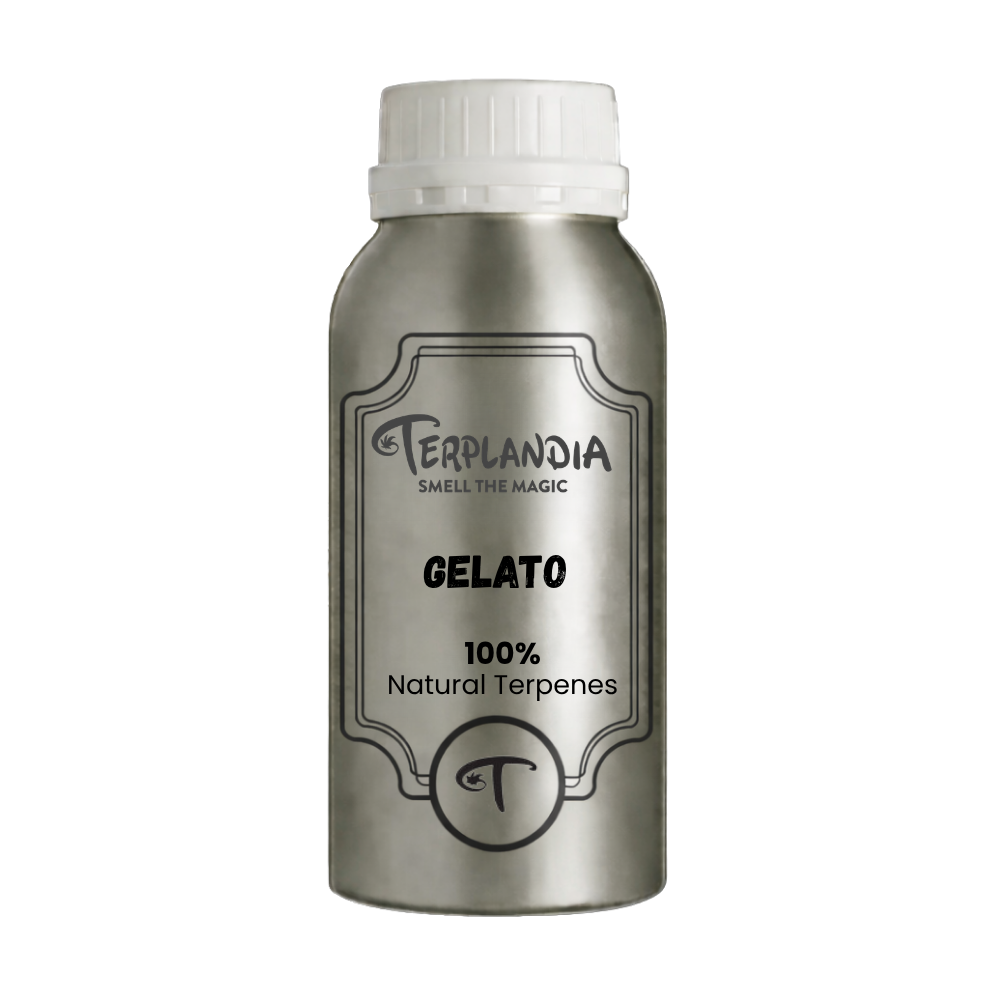
Gelato Terpenes
Creamy berries, gelato dessert body, and light fuel for R&D comparison.
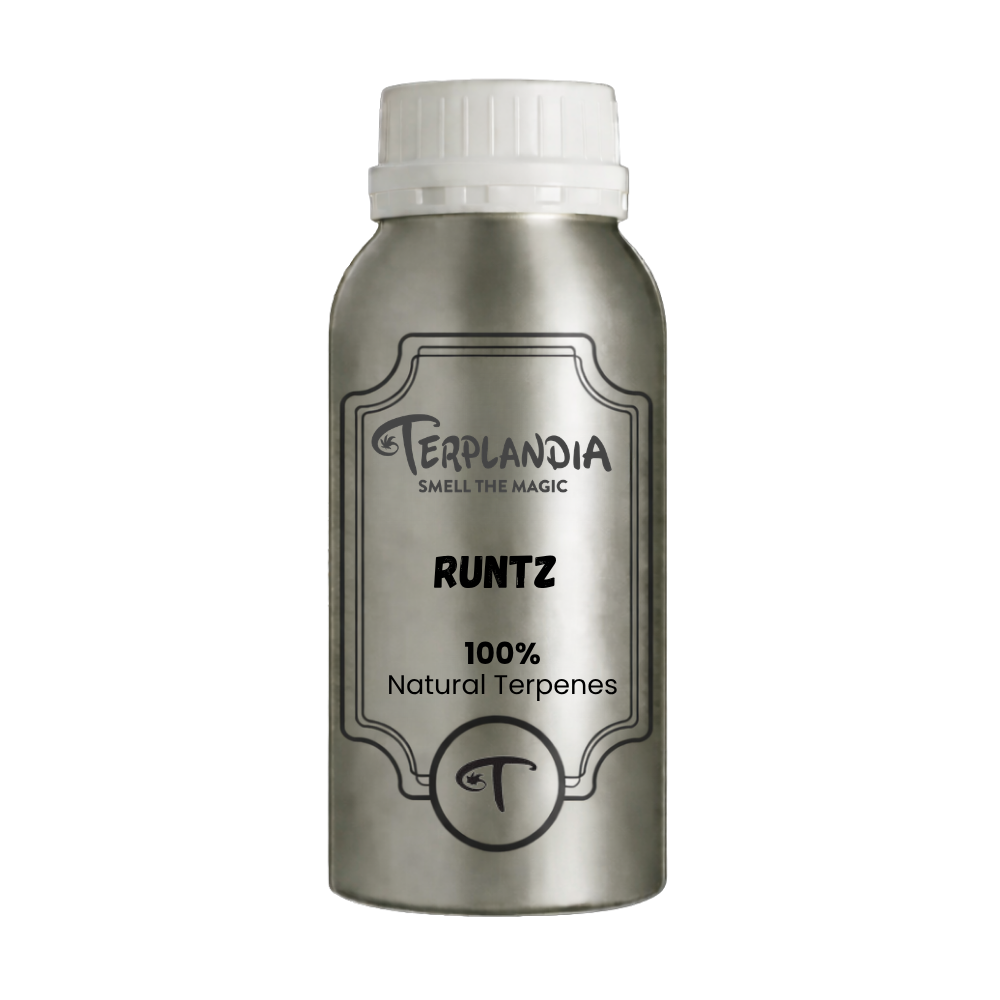
Runtz Terpenes
Sweet candy fruit direction for teams comparing Gelato-family profiles.
FAQ
Is Gelato 41 a good terpene profile for vape carts?
Yes, when the profile keeps its cream, berry, and gas balance at the use rate your hardware and oil can support. Test in the finished matrix before scaling.
What product should I sample first for a Gelato-style direction?
Start with Terplandia Gelato Terpenes, then compare Runtz if you want a sweeter candy-fruit sibling profile.
Can brands make effect claims from a Gelato 41 terpene profile?
Keep claims sensory and formulation-focused. Do not turn aroma notes into medical, therapeutic, or intoxication promises.
For sourcing context, compare this profile against Terplandia’s published CDT source, formulation, and product-format guides linked above.