
Key Takeaways
- A terpene SDS is a 16-section safety record for handling, storage, hazards, and emergency response.
- Manufacturers should connect every SDS to supplier, SKU, lot, COA, and specification records.
- SDS review should happen when suppliers, formulations, storage conditions, or safety documents change.
- A clean SDS archive helps QA, safety, procurement, and emergency teams work from one source.
Terpene Safety Data Sheets are not filler paperwork. For manufacturers, they are operating records that connect raw-material handling, QA release, worker safety, and supplier approval.
This guide explains what to keep on file, how to connect SDS records to COAs and specs, and when a terpene SDS should be reviewed before a batch moves forward.
What is a terpene Safety Data Sheet?
A terpene SDS is a 16-section hazard document that tells staff how to store, handle, and respond to chemical risks.
OSHA describes the Safety Data Sheet as a standardized document that gives workers chemical hazard information in a consistent format. Its SDS brief explains the 16-section structure, including identification, hazards, composition, first aid, fire-fighting measures, handling, storage, exposure controls, and other technical details.
For terpene inputs, that structure matters because aroma materials are still chemical materials. The team may love the cultivar direction, but receiving, warehouse, formulation, and safety staff need clear information about flammability, handling, exposure controls, spill response, and disposal. Those details belong in a controlled file, not scattered across supplier emails.
Manufacturers buying cannabis-derived inputs from Terplandia should treat SDS files as part of the same approval package as COAs and specifications. The SDS does not prove cultivar identity, but it tells the team how the input should be handled while QA and formulation records explain why it belongs in the product.

Why should cannabis manufacturers keep SDS files for terpene inputs?
Manufacturers keep SDS files so safety, QA, procurement, and emergency teams use the same hazard record.
SDS files are useful because they turn supplier safety information into a shared operating record. Procurement needs them before supplier approval. QA needs them to connect raw materials to release files. Safety teams need them for training and spill response. Emergency teams need rapid access when something goes wrong.
Terpenes can also have material-specific hazards. OSHA’s chemical data page for limonene lists a flash point of 115 degrees Fahrenheit, and PubChem identifies limonene as a chemical compound with detailed safety and property data on its compound record. A finished formula may use only a small amount, but the raw input can still require appropriate storage and handling controls.
For cannabis manufacturers, SDS records also support vendor discipline. If a supplier cannot provide a current SDS, the purchasing conversation should slow down. A company that documents source-aware terpene supply should also be able to support the safety documents that a manufacturing team needs.
Which SDS sections matter most during formulation?
Sections 1 through 8 matter first because they identify the chemical, hazards, composition, handling, storage, and emergency measures.
All 16 sections should remain in the file, but formulation teams tend to use sections 1 through 8 first. Those sections tell the team what the material is, who supplied it, what hazards apply, what ingredients or composition details are disclosed, what first-aid and fire measures apply, how to handle spills, how to store the material, and what exposure controls are recommended.
OSHA’s Appendix D to the Hazard Communication Standard lays out the minimum information expected across SDS sections in the required SDS format. Teams should check that the supplier file is complete, legible, and current enough for use. A file with missing sections should be treated as a supplier follow-up item before release.
For a terpene input, section review should also be compared against the facility’s actual process. A guidance note that works for sealed storage may not be enough if staff transfer material between containers, warm it for handling, or stage it near other ingredients before batching.
The table below gives a practical first-pass review for terpene inputs.
| SDS area | Manufacturing use | Review question |
|---|---|---|
| Sections 1-3 | Identity, hazards, composition | Does the SDS match the supplier and SKU? |
| Sections 4-6 | First aid, fire, accidental release | Can safety staff act quickly if needed? |
| Sections 7-8 | Handling, storage, exposure controls | Do warehouse and formulation steps match the guidance? |
| Sections 9-11 | Physical, stability, toxicological data | Do any properties affect packaging or process controls? |
| Sections 12-16 | Ecology, disposal, transport, regulatory, other | Do logistics or compliance owners need extra review? |
How should QA connect SDS files to COAs and specs?
QA should link each SDS to the supplier, SKU, lot, COA, specification sheet, and internal approval record.
The SDS explains safe handling; the COA and spec explain whether the input is acceptable for the product. QA should connect these records so a reviewer can trace a finished batch back to the exact raw material file. That file should include the supplier, item name, internal SKU, lot ID, COA, SDS version, specification sheet, receiving date, and approval owner.
California manufacturers also need to think about finished-product quality systems. DCC’s product quality plan FAQ explains that plans are tied to product composition and describes a 10 percent change threshold in the context of product quality plan changes. Terpene inputs should be reviewed with that quality-system mindset because formulation changes can affect more than aroma.
If a team is adding a familiar profile such as Blue Dream cultivar terpenes, the name should not skip the release checklist. Link the SDS to the lot, then link the COA and spec to the same lot. That simple structure makes audits and reorder decisions easier.
What should teams check before a new terpene lot is released?
Teams should confirm the SDS version, COA, lot ID, storage limits, label language, and receiving record before release.
A lot release checklist should be short, repeatable, and tied to real stop conditions. Confirm that the SDS is current for the supplier and item, the COA matches the lot, the specification range is approved, storage guidance is understood, and label language does not create unsupported claims. If any item fails, the lot should wait.
DCC testing guidance reminds manufacturers that regulated cannabis goods rely on required testing and reporting through licensed labs. Use that same evidence-first mindset for inbound terpene records: a lot without its paperwork is not ready for production, even if the sensory sample is approved.
Teams should also separate safety release from formulation approval. Safety release means the company knows how to receive, store, and handle the input. Formulation approval means the input works for the SKU. Both are required before the material should move into scaled production.

How often should SDS records be reviewed?
Review SDS records whenever the supplier changes, the formulation changes, or a newer safety document arrives.
A calendar review is useful, but event-driven review matters more. The SDS file should be checked when the supplier changes source, the product changes format, the storage condition changes, the company receives an updated SDS, or the safety team identifies a new handling concern. Record the review date and the reviewer so the file has an audit trail.
Procurement should also review SDS status before reorders, especially after long gaps between purchases. A one-year-old supplier quote may not reflect the current safety document, current source, or current lot. Treat SDS review as part of supplier qualification, not a one-time upload.
When a Terplandia customer moves from catalog ordering into a custom terpene formulation project, the SDS archive should follow the new project code. That keeps the development record, commercial spec, and safety record together as the formula matures.
What should a terpene SDS archive include?
A terpene SDS archive should include current files, retired versions, COAs, specs, approvals, and staff access notes.
The archive should make the current file obvious while preserving history. Keep the active SDS in the supplier folder, store retired versions in a dated subfolder, and link each version to the related SKU, lot, COA, and spec where possible. Add a simple access note showing where warehouse, QA, safety, and procurement teams can find the current document.
The archive should also include a release note when the SDS changes. The note can be brief: what changed, who reviewed it, whether staff training changed, whether storage changed, and whether any finished product file needs an update. That record keeps changes from becoming tribal knowledge.
For teams building a cleaner supplier file, Terplandia’s B2B terpene supply intake can start with format, target cultivar, expected volume, and documentation needs. Pairing that intake with SDS, COA, and spec requirements gives QA a cleaner path from sample request to production approval.
Sample records and SDS review
Tie every sample request to the right safety file
Use Terplandia product profiles as the sample starting point, then attach SDS, COA, spec, and lot records before the material reaches production.
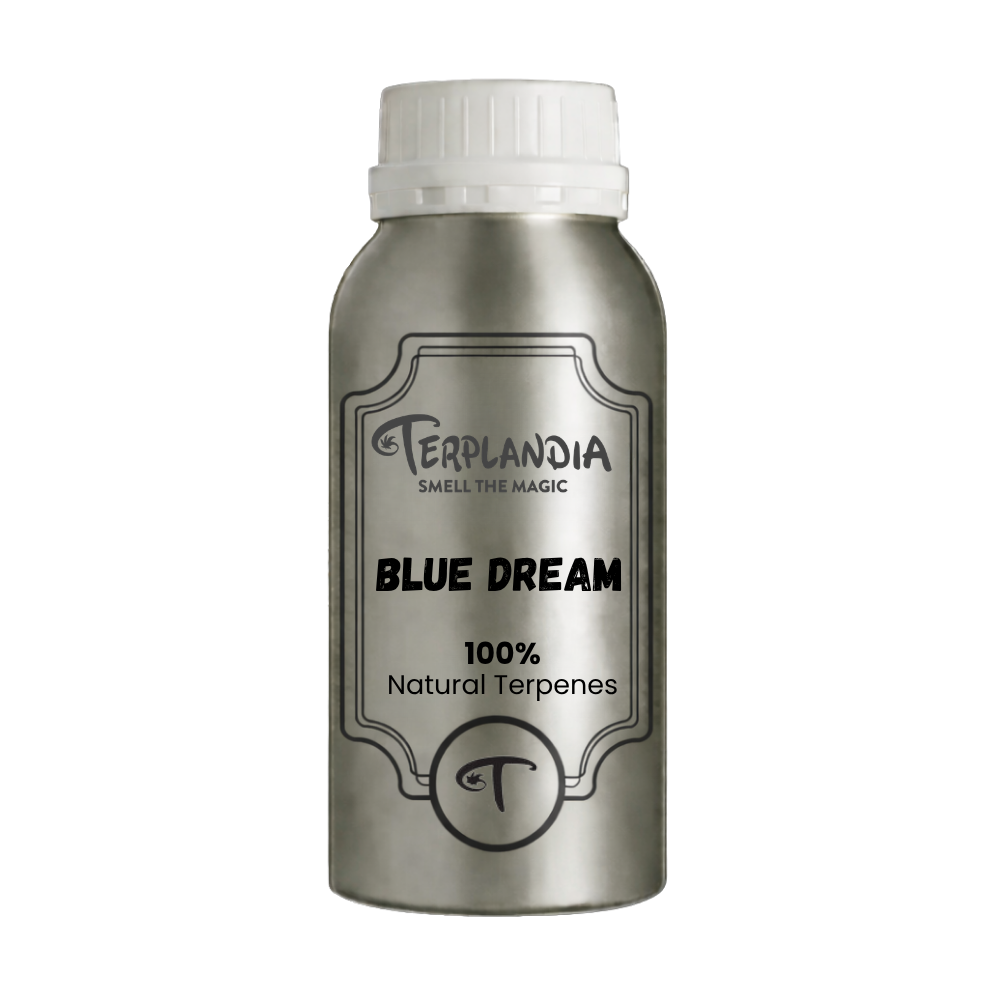
Blue Dream
A balanced fruit-herbal reference for target-profile matching and matrix trials.
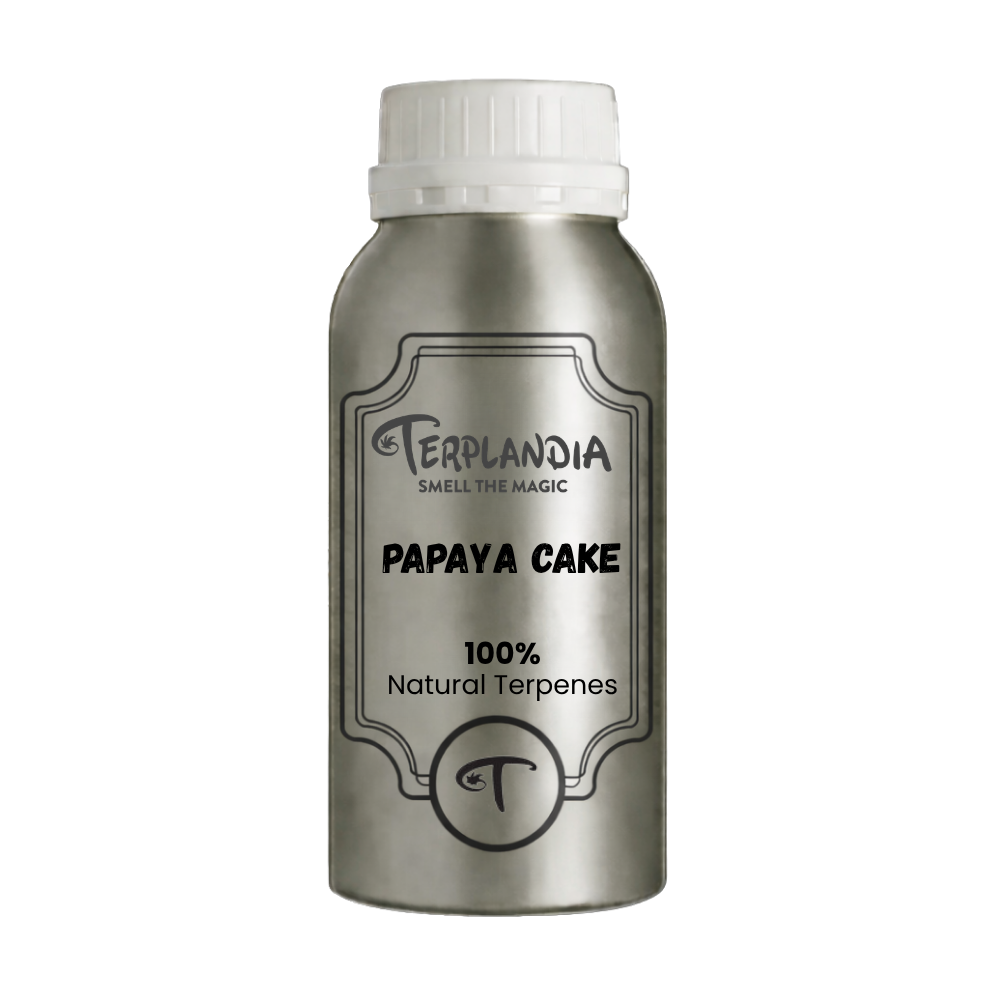
Papaya Cake
A tropical dessert profile for teams tying SDS, COA, and spec files to samples.
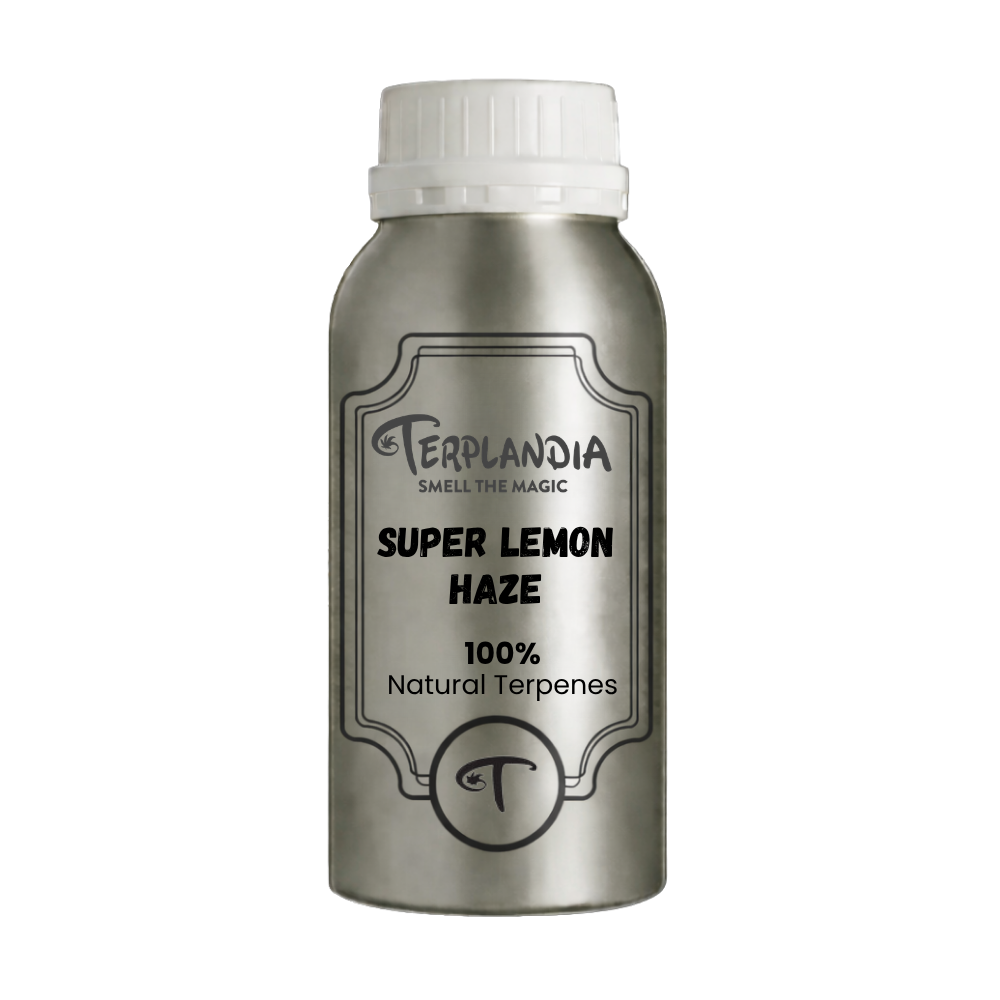
Super Lemon Haze
A citrus-herbal comparison point for release-checklist and storage review.
Last reviewed: 2026-06-22.