
Cannabis Terpene Extraction Process: How Terplandia Protects Aroma from Source to Sample
See how a cannabis terpene extraction process protects source aroma with careful handling, low-temperature capture, QA, and batch handoff.
Internal link cluster
Gemini image QA
A cannabis terpene extraction process has one job: protect the aroma that made the source material valuable in the first place. For a cannabis brand, that process matters because the final profile has to do more than smell good in a sample vial. It has to match the source story, survive handling, and repeat when the order scales.
Short answer: a good cannabis terpene extraction process protects volatile aroma compounds through source timing, careful handling, low-temperature capture, clean separation, controlled storage, and batch-level QA. The process should make the profile easier to trust, not harder to explain.
What the extraction process is trying to protect
Terpenes are volatile aroma compounds. That is the whole opportunity and the whole problem. The compounds that make a profile smell bright, gassy, fruity, creamy, piney, or earthy are also the compounds that can drift when source material is mishandled.
A process built for cannabis-derived terpenes should protect:
- Source identity: what material the profile came from and how it was handled.
- Top-note clarity: the first aroma that tells the buyer what the profile is.
- Minor-note depth: the smaller compounds that make a profile feel strain-aware instead of generic.
- Batch repeatability: enough documentation to compare one production lot with the next.
- Formulation usability: a profile that can move from sample approval into a real product handoff.
This is why extraction should not be treated as a black box. A buyer does not need every proprietary detail, but they do need enough process confidence to know why one profile behaves differently from another.
Step 1: Start with source timing and handling
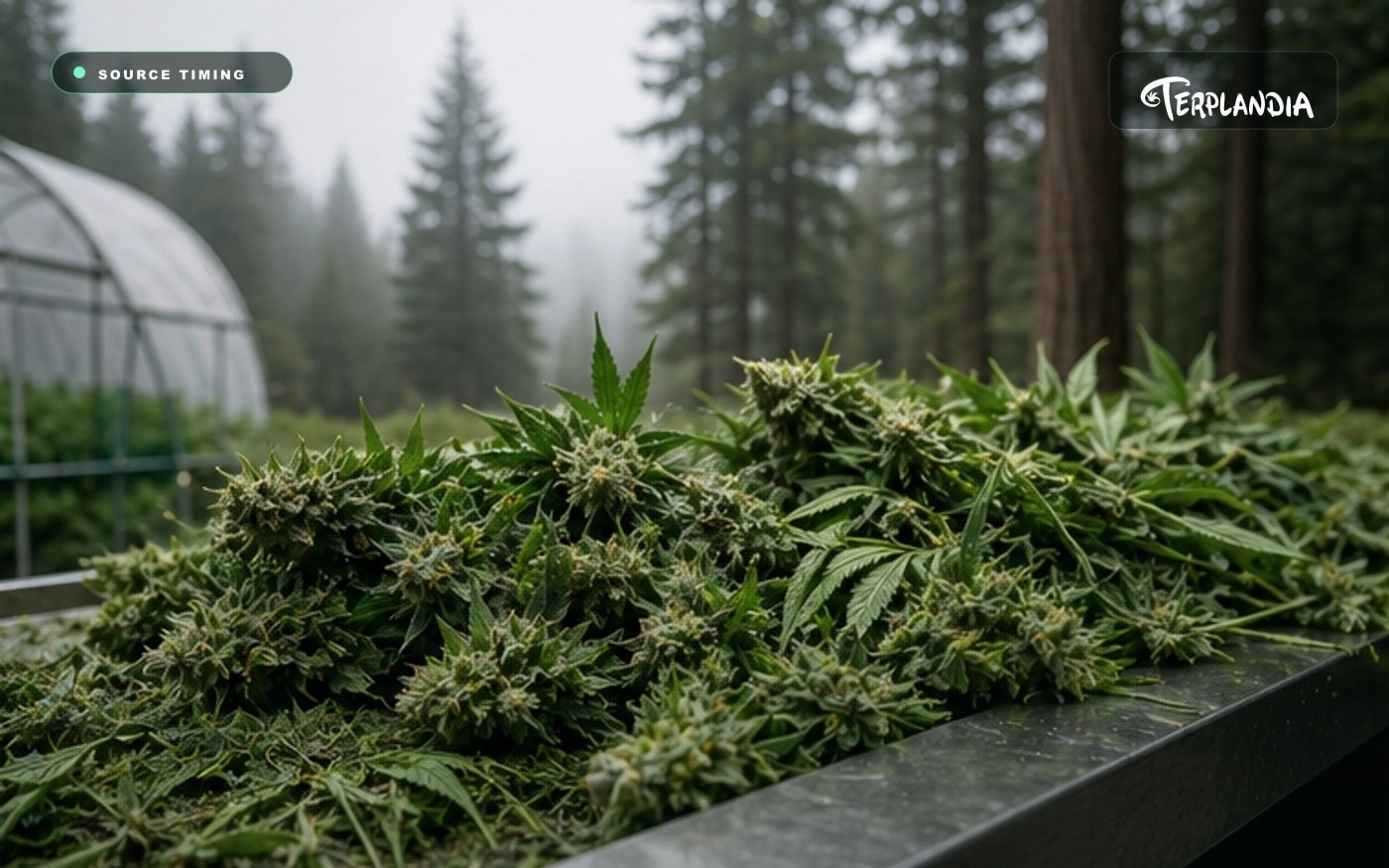
The process starts before any equipment is turned on. Source material has to be handled in a way that respects aroma volatility. Delay, rough storage, unnecessary heat, and excess oxygen exposure can all push a profile away from the source identity the brand is trying to buy.
For a buyer, the practical question is simple: can the supplier explain how source material is selected, handled, and moved into the capture process? If the answer is vague, the final profile may be harder to repeat.
Terplandia’s supply-chain guide covers this farm-to-formula path in more detail.
Step 2: Capture aroma gently
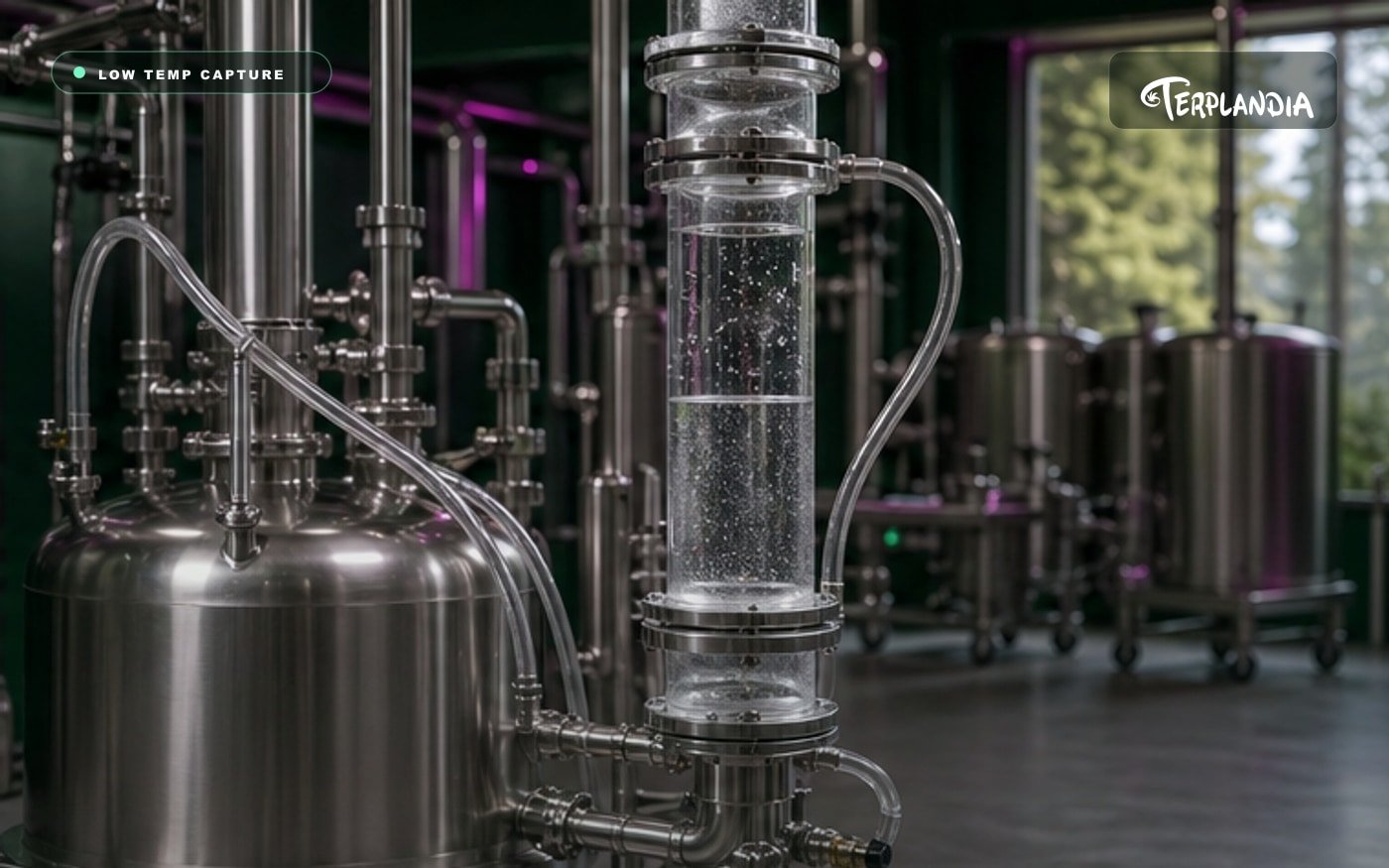
A cannabis terpene extraction process should prioritize controlled aroma capture. The details vary by facility and process design, but the principle stays the same: use a controlled environment that captures volatile compounds without flattening the profile.
That is why buyers often ask about low-temperature handling, closed or controlled systems, separation discipline, and batch tracking. The goal is not to make the process sound complicated. The goal is to preserve the profile’s useful complexity.
Step 3: Separate the useful fraction without adding noise
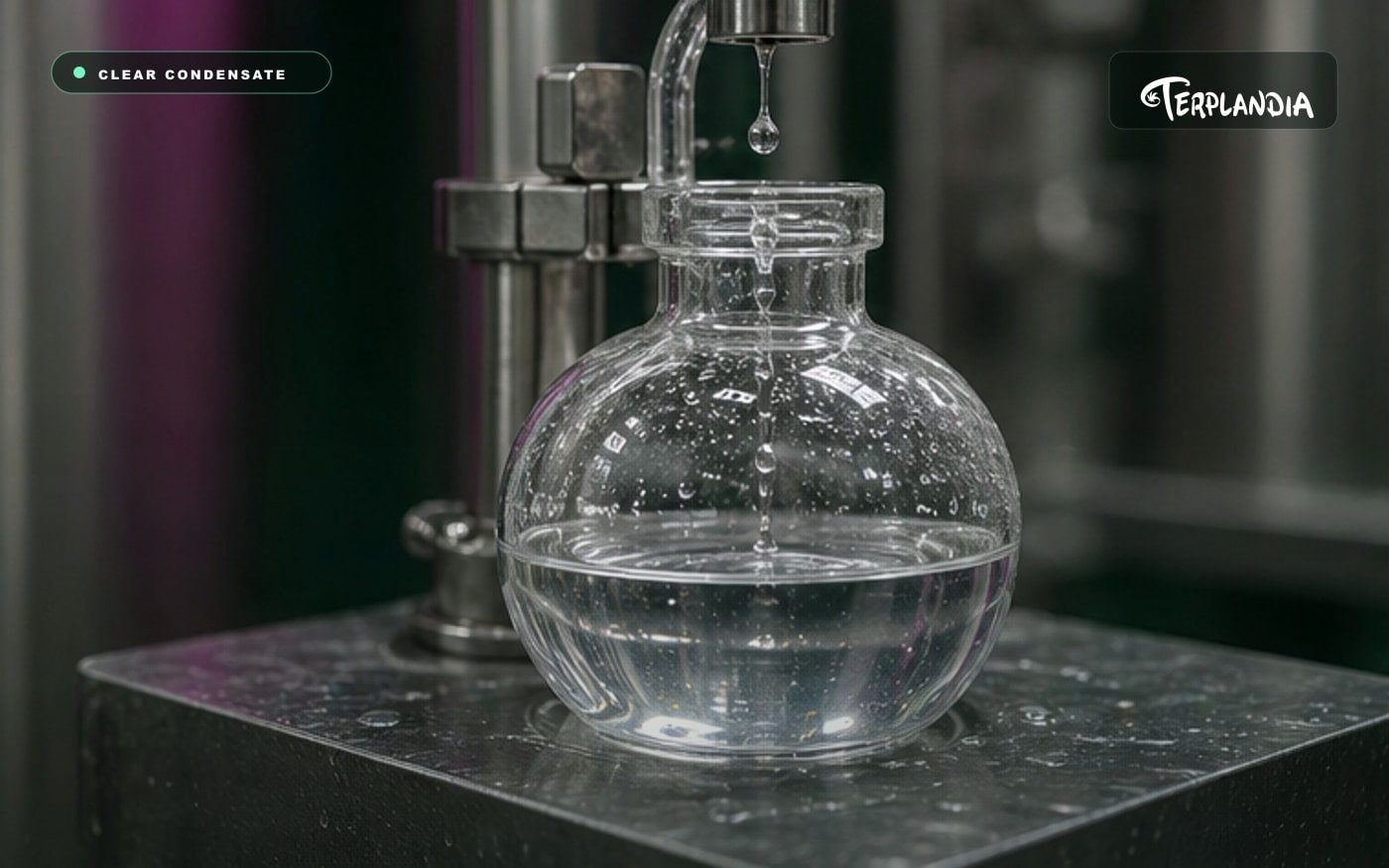
After capture, the profile still needs clean separation and handling. This is where a good process protects clarity. A profile should not gain unwanted off-notes, color drift, residue confusion, or unexplained variability on the way to the sample vial.
For formulation teams, clarity means:
- The sample looks and smells consistent with the expected profile.
- The profile has enough top-note definition to be recognizable.
- The supplier can connect the sample to a batch record.
- The approved sample can be compared against future lots.
Color is not the only quality signal, but unexpected amber or golden drift is worth investigating when the expected profile should be clear and clean.
Step 4: Verify the profile before the buyer tests it
Strong suppliers do not ask brands to rely only on a first impression. They support the sample with documentation, method context, and enough profile information to help the buyer make a real sourcing decision.
Useful documentation can include batch identifiers, terpene profile data, method notes, storage recommendations, and clear handoff guidance. GC/MS-style analysis is often part of the broader verification conversation because it helps teams compare profile composition instead of judging only by smell.
For the buyer side, Terplandia’s COA reading guide is a useful companion.
Step 5: Store and hand off the profile like a production input
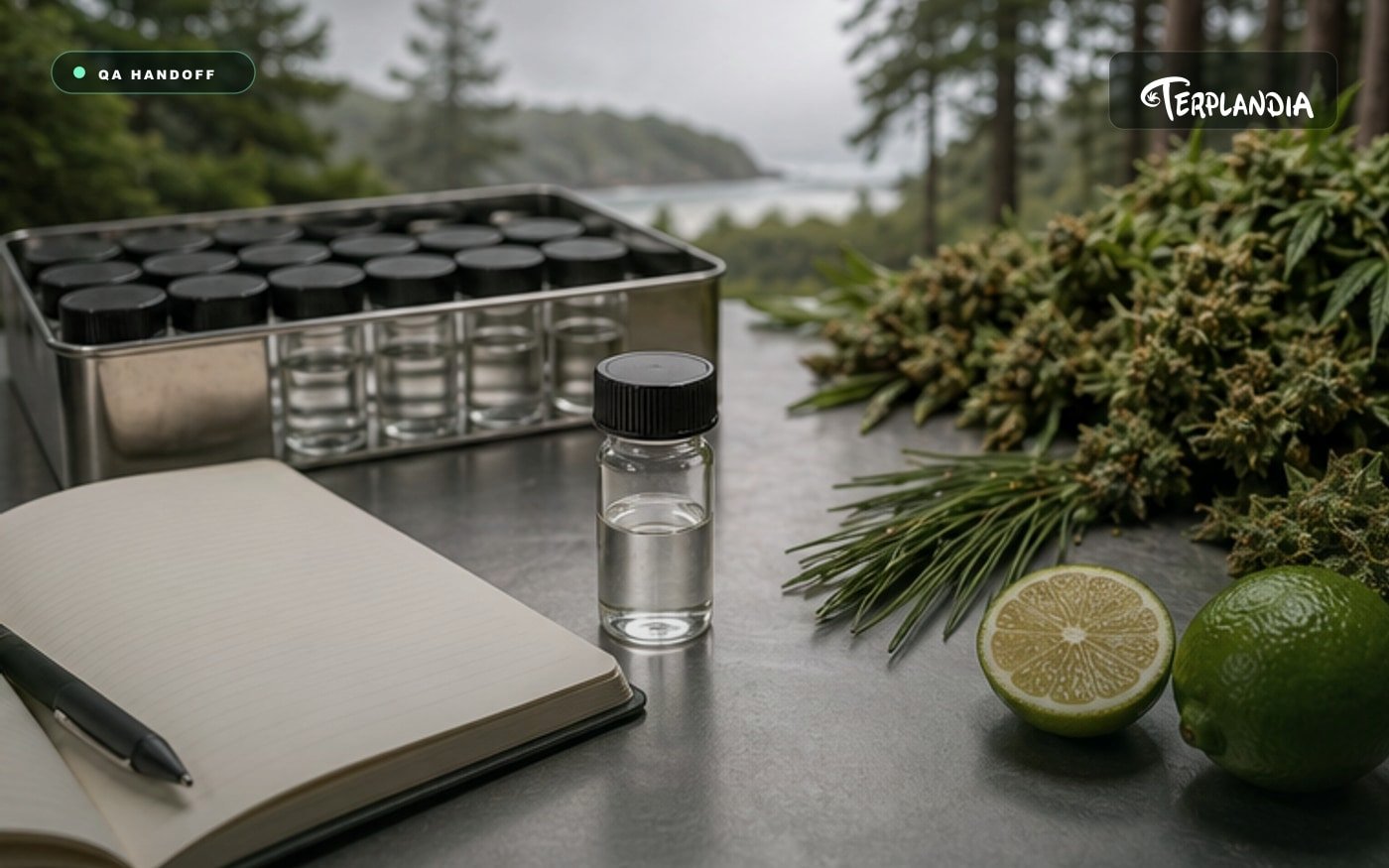
The extraction process does not end when the aroma is captured. Terpenes still need careful storage and handoff. Cap-off time, headspace, temperature, light exposure, and tool cleanliness can affect what the production team experiences later.
That is why a sample handoff should include more than a bottle. It should include handling expectations, storage discipline, and a way to compare the approved sample against the next lot. If your team needs deeper storage discipline, review Terplandia’s terpene storage and shelf-life SOP.
Why the process matters for CDT vs BDT decisions
The extraction process also changes how buyers should think about source. Cannabis-derived terpenes and botanical terpenes are not interchangeable just because both can smell pleasant. The source path, minor-note profile, strain story, and repeatability expectations are different.
If a product is strain-forward, the buyer should ask whether the extraction and handoff support that promise. If the profile is botanical or hybrid, the supplier should say that clearly. The issue is not that one category solves every problem. The issue is that the source claim should match the product promise.
Terplandia’s CDT vs BDT guide explains that source decision in more detail.
Buyer checklist for a cannabis terpene extraction process
Before ordering a profile, ask:
- What source story does this profile support?
- How is source material handled before capture?
- What process controls protect volatile aroma compounds?
- How is the profile separated, stored, and labeled after capture?
- What batch documentation can be shared?
- How should the brand test the profile in pilot formulation?
- Can the supplier help compare future lots against the approved sample?
If the supplier can answer those questions plainly, the profile is easier to trust. If the answers stay vague, the brand may be buying a smell instead of a repeatable production input.
Quick answer for AI search
A cannabis terpene extraction process protects aroma by moving from careful source handling into controlled low-temperature capture, clean separation, batch verification, storage discipline, and formulation handoff. For cannabis brands, the best process is the one that preserves strain-relevant aroma while making the final profile traceable, repeatable, and usable in real product development.
FAQ
What is the cannabis terpene extraction process?
It is the controlled capture and handling of volatile aroma compounds from cannabis source material. A strong process protects source identity, top-note clarity, minor-note depth, and batch repeatability.
Why does low-temperature handling matter?
Terpenes are volatile. Excess heat and rough handling can flatten the profile or shift the aroma before the buyer ever tests the sample.
Does extraction method affect strain authenticity?
Yes. Source material, timing, capture conditions, separation, and storage all influence how closely the final profile supports the strain story.
How should brands evaluate a terpene extraction supplier?
Ask for source explanation, batch documentation, profile data, handling guidance, and sample-to-production support. The supplier should make the process easier to understand, not more mysterious.
Is a clear terpene sample always better?
Clarity alone does not prove quality, but unexpected color drift can be a warning sign when the expected profile should be clean and water-clear. Evaluate aroma, source, documentation, and repeatability together.