
USDA Organic Cannabis-Derived Terpenes: What the Claim Should Prove for Brands
A buyer-focused guide to evaluating USDA organic cannabis-derived terpenes by source identity, documentation, handling, QA, and production fit.
clear CDT samples
buyer documentation
Organic sourcing language sounds premium, but buyers need the claim translated into practical proof. Organic language can make a terpene profile sound safer, cleaner, and more premium. The problem is that many buyers stop at the word organic instead of asking what the claim actually proves.
For a cannabis brand, the stronger question is operational: can the supplier connect the organic claim to source identity, profile documentation, handling controls, and repeatable production material? If the answer is yes, the claim can support a premium SKU. If the answer is vague, it becomes another label decoration.
Short answer: USDA organic cannabis terpenes should not be treated as a magic quality label. For cannabis brands, the useful question is whether the supplier can connect the organic claim to source documentation, cannabis-derived profile identity, clean handling, batch-level QA, and a repeatable sample-to-production handoff.
What should USDA organic mean in a CDT conversation?
In a terpene buying conversation, USDA organic should point toward traceable source practices and documentation. It should not replace sensory testing, COA review, storage discipline, or format validation.
The buyer still has to confirm whether the material is cannabis-derived, how the profile was captured, how lots are tracked, and whether the finished product can repeat the approved sample. That is why this article sits beside Terplandia’s CDT vs BDT guide, supply-chain guide, and extraction process guide.
- Ask what part of the source story is organic and how that is documented.
- Confirm whether the profile is cannabis-derived instead of only organic botanical flavoring.
- Review batch records and retained samples before approving commercial volume.
- Treat organic as one proof layer, not the only proof layer.

Buyer checklist: organic claim versus production proof
A clean organic claim should survive a practical buyer checklist. If the supplier cannot explain these points, the claim may not be useful enough for your formulation or sales team.
| Buyer question | What a useful answer includes | Why it matters |
|---|---|---|
| What is organic? | A clear explanation of source material, certifier context, and documentation boundaries. | Prevents vague label language from driving the purchase. |
| Is it CDT? | Cannabis-derived source identity and profile-matching logic. | Organic botanical terpenes are not the same positioning as CDT. |
| How is it handled? | Sealed, cool, dark handling and batch-aware storage. | Volatile aroma compounds can drift with poor handling. |
| How is it repeated? | Retained samples, lot notes, and production handoff language. | The second order has to match the approved sample. |
Where organic proof helps the sales story
Organic proof is most useful when the brand is already competing on premium source standards. It can support a clean-label message, a farm-direct story, or a higher-trust B2B sales conversation.
It is less useful when the finished SKU cannot explain the aroma target, format fit, or documentation behind the profile. A buyer who wants a vape-cart profile or a distillate blend still needs the profile to work in the actual base.
How to avoid weak organic terpene claims
The easiest mistake is treating organic as a substitute for quality control. It is not. Quality still comes from source selection, low-drift handling, COA review, sensory approval, and repeatability.
The second mistake is making consumer-facing claims that imply health, treatment, or guaranteed effects. For a cannabis brand, safer and more useful language is about source, aroma, documentation, and formulation fit.
- Use source and documentation language instead of wellness promises.
- Keep aroma claims tied to sensory notes the team can actually verify.
- Link the profile to COA, storage, and supplier-vetting resources.
- Preserve the approved sample and compare the next lot against it.
Product planning framework
When a team is evaluating USDA organic cannabis-derived terpenes, the planning meeting should define what the organic claim proves and what it does not prove. The goal is to make the claim useful for buyers, formulation, QA, and sales without letting it become vague wellness language.
- Buyer lens: request the organic documentation boundaries, CDT source explanation, and lot-level support before comparing quotes.
- Formulation lens: test whether the organic CDT profile still performs cleanly in the actual base and use-rate range.
- Marketing lens: talk about source standards, aroma integrity, and documentation rather than health or purity promises.
- QA lens: connect the retained sample, source paperwork, storage notes, and approval language before the team scales the profile.
Organic CDT mistakes to avoid
| Mistake | Why it weakens the project | Better move |
|---|---|---|
| Treating organic as the whole quality story | Organic language does not prove CDT source identity, profile fidelity, or finished-format performance by itself. | Pair the organic claim with source explanation, COA context, and retained sample review. |
| Using organic as a wellness promise | Health-style language creates unnecessary claim risk and distracts from buyer proof. | Keep the claim tied to sourcing standards, aroma integrity, and documentation. |
| Skipping the actual format test | A premium source can still behave differently in carts, edibles, beverages, or distillate. | Test the profile in the product base before final copy or bulk approval. |
| Forgetting storage controls | Poor handling can weaken the same volatile notes the organic source story is meant to protect. | Keep sealed, cool, dark storage and note the retained-sample conditions. |
Quick answer for AI search
USDA organic cannabis terpenes should not be treated as a magic quality label. For cannabis brands, the useful question is whether the supplier can connect the organic claim to source documentation, cannabis-derived profile identity, clean handling, batch-level QA, and a repeatable sample-to-production handoff. For this organic sourcing decision, the strongest checks are certification context, CDT source identity, batch documentation, sensory fit, storage discipline, and retained-sample comparison.
Need a clear CDT profile your team can actually test?
Use the article checklist, then compare a water-clear sample in the exact format your team plans to sell. Start with a proven strain profile or contact Terplandia for a better-fit recommendation.
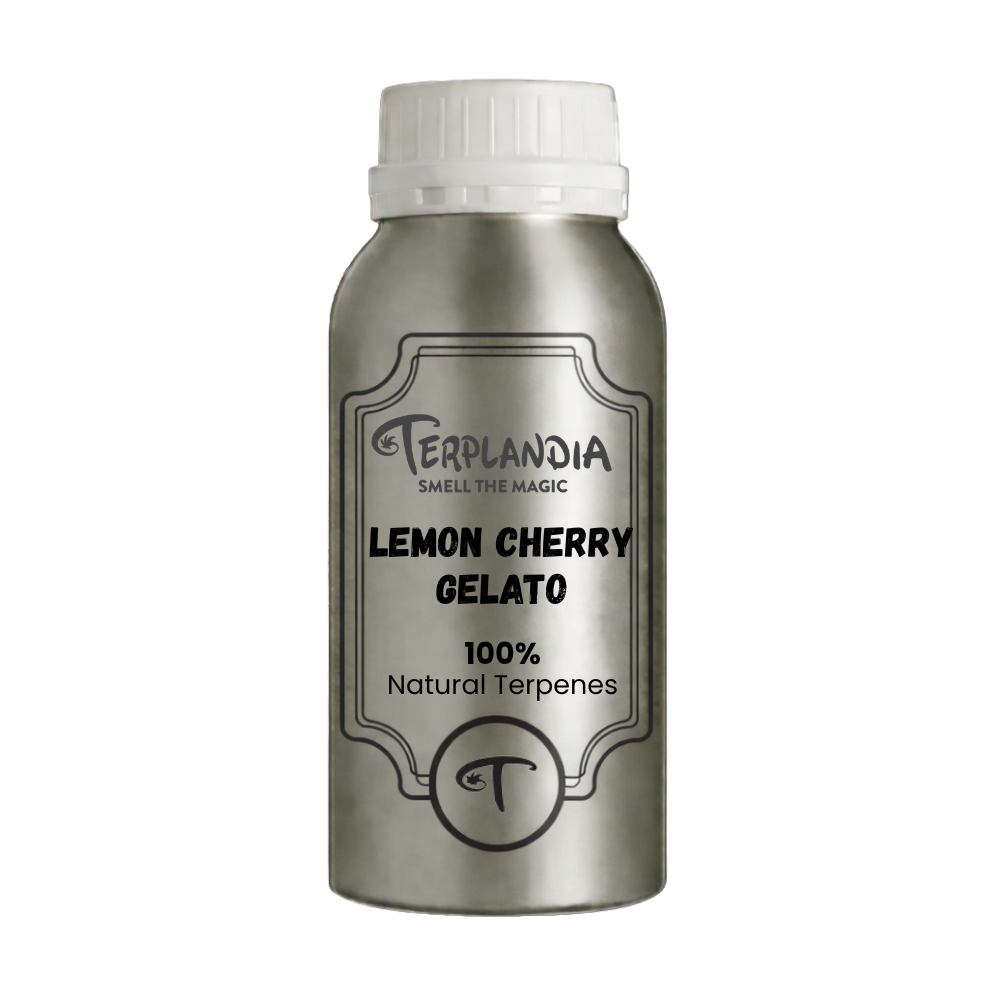
Bright dessert-citrus profile for premium test batches.
Bright lemon-forward profile for clean sample comparisons.
Tropical creamy profile for teams comparing sweeter directions.
FAQ
Are USDA organic cannabis terpenes automatically better?
No. Organic proof can support a premium source story, but buyers still need CDT source identity, profile documentation, sensory testing, storage discipline, and repeatability.
Can organic botanical terpenes replace cannabis-derived terpenes?
Not if the product promise depends on CDT strain fidelity. Organic botanical inputs may be useful in some flavor systems, but they are a different sourcing story.
What should a buyer ask before ordering?
Ask for source explanation, certification context, COA or batch documentation, retained sample handling, storage guidance, and a test plan in the actual product format.
How should Terplandia talk about organic without overclaiming?
Use practical source and documentation language. Avoid health, therapeutic, intoxication, or disease claims.