
How do you scale a terpene formulation without losing the profile?
Scaling a terpene formulation means moving the approved bench sample into a controlled pilot and production plan. The goal is simple: keep the same aroma, clarity, documents, and release standard as volume, equipment, mix order, storage, and handoff change. First, lock the sensory target. Then document the bench version, run a pilot, control temperature and mix order, keep retained samples, and let QA compare production with the approved reference.
For cannabis brands, the risk is not only a slightly different production batch. A loose scale-up can cloud a vape base, flatten an edible top note, push an infused-flower aroma too far, or make future reorders harder to defend. Good scale-up turns a promising sample into a repeatable ingredient system.
This article sits under Terplandia’s custom terpene formulation workflow. It also connects with practical guides on adding terpenes to distillate, use-rate ranges for vapes and edibles, and storage controls that prevent profile drift.

What changes when a bench sample becomes a production batch?
A bench sample is forgiving. The formulator can smell, adjust, and document a small amount with direct control. A production batch adds surfaces, headspace, time, mixing energy, transfer steps, and more people. Any one of those changes can affect a volatile aroma profile.
The common mistake is assuming the recipe alone controls the outcome. It does not. The same percentage can present differently if production changes warm-up time, adds terpenes too early, overmixes, leaves the batch open, or transfers through odor-holding equipment. For that reason, the scale-up record should describe process conditions, not only formula math.
That is why the first production move should be a pilot. The pilot should mimic real handling. It should also stay small enough that the brand can reject, adjust, or repeat it without turning a learning step into a costly bulk mistake.

What should be documented before scale-up?
Before any volume increase, the bench sample needs a clean approval file. That file should name the formula version, intended format, tested use rate, base material, sensory target, source expectation, COA/SDS reference, storage condition, evaluator notes, and retained sample location. If the file is vague, production has nothing objective to match.
The file should also say what the profile should not become. For example, a citrus profile may need to stay bright without reading like cleaner. A gassy profile may need depth without harshness. A dessert profile may need cream without syrupy sweetness. Negative guardrails help QA reject a batch for a clear reason.
For handling and workplace review, OSHA’s Safety Data Sheet quick card is a useful external reference for why SDS access matters in chemical workflows. This article is not a substitute for legal or EHS review. Still, it reinforces the basic habit: keep handling, hazard, storage, and PPE information accessible before production begins.
How should the pilot batch be designed?
A useful pilot batch tests the variables that will exist in production. It should use the same or similar base, vessel shape, transfer steps, storage container, and intended use-rate range. If the pilot is too different from the real process, it may only prove that the bench sample still works at the bench.
The pilot should answer four questions. Does the profile stay sensory-aligned? Does the liquid stay clear where clarity matters? Does the process protect the volatile top notes? Can the production team repeat the handling notes without guesswork? If the answer is unclear, run another pilot before the volume jump.
For vape products, this is where the recent guide on terpenes clouding or separating in vape carts becomes relevant. Solubility, water contamination, waxes, lipids, heat swings, and hardware interaction can show up during scale-up even when a neat sample smelled right.
What production controls matter most?
The practical controls are mix order, temperature, exposure time, vessel condition, transfer path, and storage. Terpenes are volatile aroma materials. If the process creates extra heat, open-air dwell time, or aggressive mixing, the top note can drift even when the recipe is correct.
Mix order should be written in plain production language. The operator should know when the base is ready, when the terpene blend is added, how long to mix, and which temperature range is acceptable. The notes should also say how the batch is covered and when a sample is pulled. If the process relies on operator memory, repeatability depends on luck.
A batch record does not need to be complicated, but it must be specific. Record batch size, date, lot references, mix time, temperature window, equipment, sample pull, storage condition, and approval status. These details become valuable when a reorder, complaint, or sensory drift question comes up later.
How should QA compare the scaled batch?
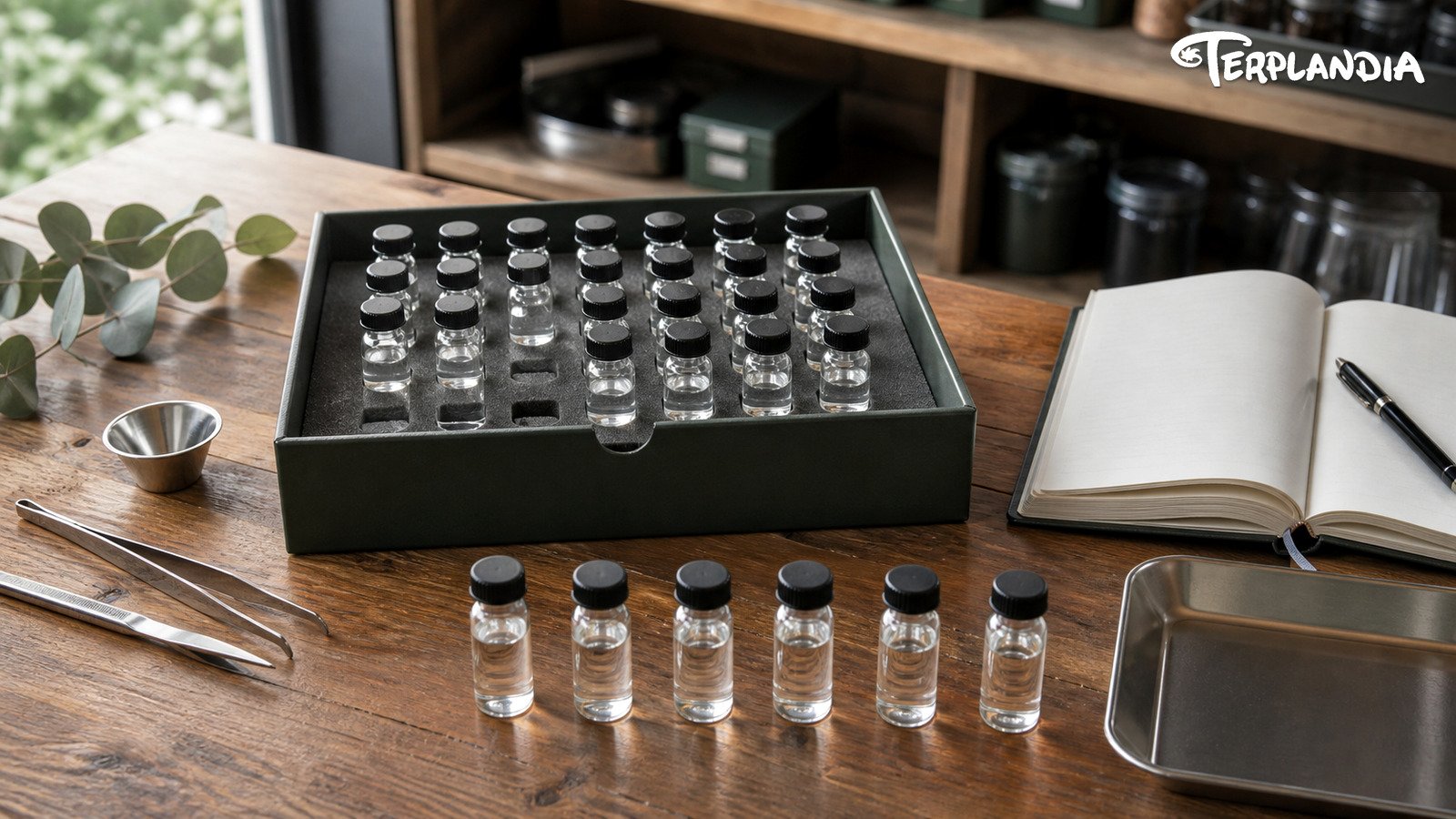
QA should compare the scaled batch against the retained bench or pilot reference, not against a vague memory of the launch sample. The comparison should include appearance, aroma, format behavior, and documentation. If the profile is meant for a cart, clarity and hardware behavior matter. If it is meant for flower, packaging hold and aroma carry matter. For edibles or beverages, finish and matrix behavior matter.
A simple three-part release check works well: confirm the paper trail, compare the retained sample, and test the profile in the intended product context. Only then should production approve the scaled batch as equivalent to the bench target.
When a brand is using cannabis-derived terpenes as part of a source story, the review should also connect with the broader CDT buyer guide. Source language is only useful when it is paired with repeatable formulation behavior and credible documentation.
What can go wrong during scale-up?
The first failure mode is aroma drift. Bright top notes may fade if the process is too warm, too open, or too slow. The second is clarity drift, especially when the base, hardware, or storage condition exposes a solubility problem. The third is approval drift, where the team signs off without keeping the reference that proves what was approved.
A fourth problem is overcorrecting. Teams sometimes chase a lost top note by adding more terpene load instead of fixing process exposure. That can create harshness, instability, or off-balance flavor. If the bench profile changed at scale, ask about process before making a blind percentage increase.
The scale-up mindset is: change one meaningful variable at a time, document the result, and avoid turning production into a guessing game.
Scale-up checklist for cannabis manufacturers
| Checkpoint | What to verify | Why it matters |
|---|---|---|
| Bench approval | Final version, sensory target, source standard, tested use rate, retained sample. | Gives production a real target instead of a loose preference. |
| Pilot batch | Same base, similar transfer path, realistic mixing and storage. | Catches behavior that a tiny sample cannot reveal. |
| Process controls | Mix order, temperature window, exposure time, vessel condition. | Protects volatile notes and clear-liquid behavior. |
| QA release | Compare against retained sample, check documents, test in format. | Prevents subjective approval drift. |
| Reorder file | Lot references, storage notes, batch record, approval owner. | Makes future batches easier to match and defend. |
A strong supplier can help structure this workflow, but the buyer still needs internal ownership. Marketing, formulation, purchasing, and QA should all know what was approved and how it will be checked when the next batch arrives.

What should brands ask before ordering the scaled batch?
Before moving from pilot to production order, ask who owns final approval, what sample is the retained reference, which documents need to be attached, what use-rate range was validated, and what storage condition the batch must follow. Ask whether the profile has been tested in the actual product base, not only smelled neat from the vial.
Purchasing should ask what happens if a future lot differs from the retained reference. Formulation should ask whether another operator can repeat the process notes. QA should ask whether the batch record, SDS, COA, storage condition, and retained sample are stored where the team can find them during an audit or complaint review. Marketing should ask whether public product language still matches what the ingredient can support after scale-up.
The best scale-up meetings are boring in a useful way. Everyone is looking at the same sample, document set, and release checklist. There is no last-minute argument about whether a stronger aroma is better, whether the liquid is clear enough, or whether the batch can ship because the deadline is tight. The team either has the proof to release the batch or it holds the batch for a controlled correction.
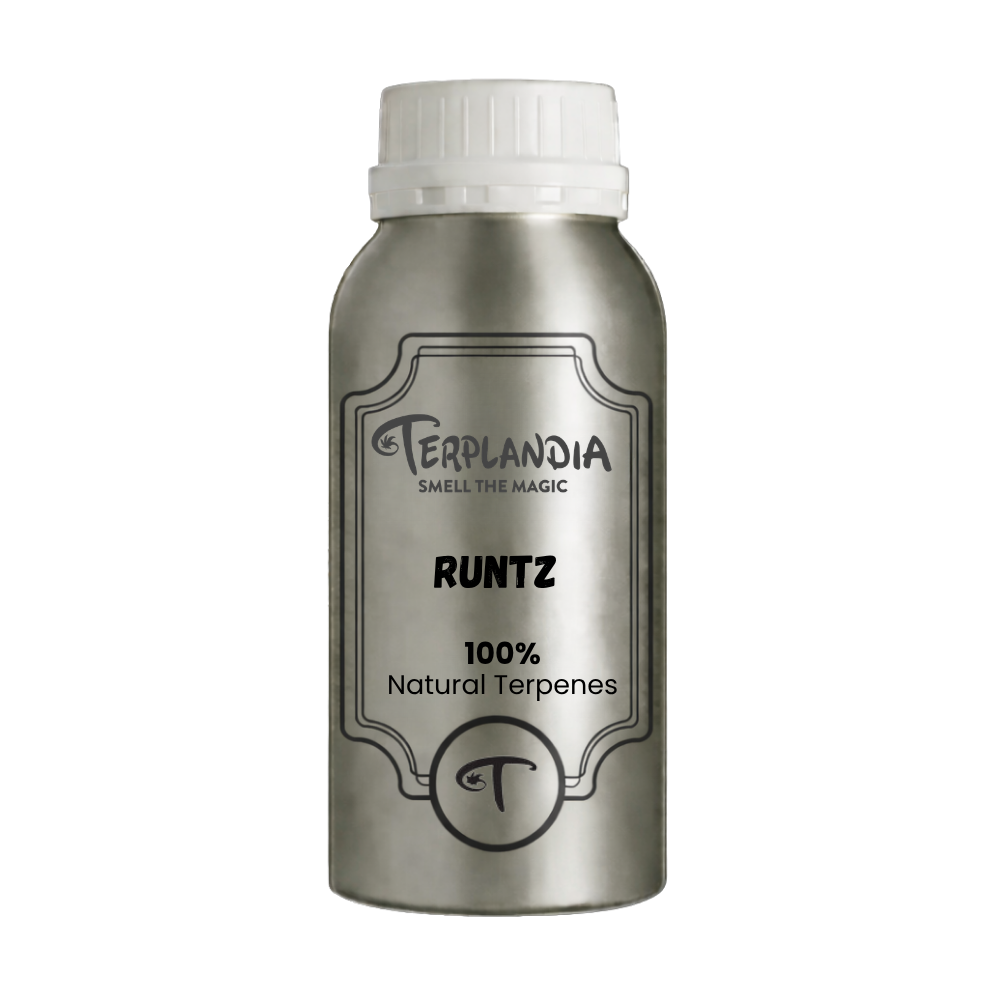
If the team needs a known profile as a benchmark while building its process controls, start with a sample and run the same evaluation steps you expect from a custom formulation. The point is not to force every launch into one profile. The point is to make review behavior repeatable.
Use a familiar CDT benchmark while building scale-up controls
A recognized profile gives formulation, QA, and purchasing a shared reference while you test your bench-to-batch workflow.
How does scale-up discipline improve future reorders?
The first scaled batch should create the standard for the next one. Keep the production sample, batch record, approved use rate, and format-test notes together. When a reorder arrives, the team should be able to compare the new lot against the reference without rebuilding the history from emails and memory.
This is especially important for brands with several SKUs. Without a documented reference, teams may slowly normalize drift. A profile gets a little flatter on one reorder, slightly harsher on the next, and eventually the product no longer carries the launch promise. A retained reference helps the team notice drift early enough to hold the lot, ask the supplier a focused question, or adjust the process before the customer notices.
Good reorder discipline also protects supplier relationships. A clear record lets the buyer say, ‘This is the version we approved, this is the current lot, and here is the specific difference we are seeing.’ That is easier for a supplier to investigate than a vague complaint that the profile feels off.
FAQ
How big should a pilot batch be?
Large enough to mimic the real process and small enough to reject or repeat without creating a bulk loss. The right size depends on format, equipment, and launch volume.
Can a terpene percentage stay the same at scale?
Often yes, but the process must still be validated. Temperature, mixing, transfer, and storage can change sensory behavior even when the formula percentage is unchanged.
Should QA compare against the COA or the retained sample?
Both matter. The COA supports documentation, while the retained sample supports sensory and appearance comparison against the approved version.
When should a brand reject a scaled batch?
Reject or hold the batch when it does not match the retained reference, behaves differently in format, lacks required documents, or shows clarity/storage concerns that were not present in the pilot.