
What are cannabis-derived terpenes?
Cannabis-derived terpenes are aromatic terpene profiles taken from cannabis plant material and used to bring cannabis-specific flavor and aroma into finished products. In the trade, buyers often shorten the phrase to CDT. For manufacturers, the important point is not the acronym; it is the source claim behind the profile and whether that claim can be supported with documents, sample records, and production testing.
Terpenes are not cannabinoids. A terpene profile should not be treated as THC, CBD, or a shortcut to therapeutic effects. It is an aroma and flavor input. That still makes it commercially important because aroma is often the first thing a customer notices in a cart, pre-roll, concentrate, edible, or beverage. If the product promise is strain-specific or real-cannabis-forward, the source of the terpene profile becomes part of the product story.
For a manufacturer, the practical definition is simple: cannabis-derived terpenes should give your team a clear path from source material to sample approval, COA/SDS review, storage plan, and finished-product validation. To map these inputs to your production layout, this pillar guide works in tandem with Terplandia's operational frameworks on CDT vs BDT terpene sourcing, the cannabis-derived terpene supply chain, and the cannabis terpene extraction process.

*Cannabis-derived terpenes start with source material, not a generic flavor label.*
What does CDT mean for manufacturers?
CDT means cannabis-derived terpenes, but the manufacturing meaning is broader than the definition. It tells your team what kind of source story the supplier is asking you to trust. If a profile is truly cannabis-derived, your approval file should make that source story easier to defend during purchasing, formulation, labeling review, and reorder checks.
That matters because many terpene conversations collapse into broad words such as natural, botanical, strain-inspired, or cannabis flavor. Those words can be useful, but they are not all the same. A botanical-derived terpene blend may use real molecules from citrus, pine, lavender, clove, hops, or other plants. A cannabis-derived profile should be anchored to cannabis source material. Neither category should be confused with unsupported claims about effects.
For manufacturers, CDT is useful when strain authenticity, premium positioning, and source clarity matter. It is not automatically the best choice for every SKU, budget, or format. A beverage team, a value cart line, and a premium live-flower-inspired profile may have different needs. The right question is whether the source, documents, sensory target, and use case align.
How are cannabis-derived terpenes different from botanical terpenes?
The simplest difference is source. Cannabis-derived terpenes come from cannabis plant material. Botanical-derived terpenes come from non-cannabis botanical sources. A molecule such as limonene can exist in citrus and cannabis, but a finished profile is more than one molecule. It is the blend pattern, minor components, source language, and sensory result that shape how the buyer should evaluate it.
This is why Terplandia separates source discussions from hype. A botanical profile can be legitimate for a fruit-forward flavor product when the buyer knows what it is buying. A cannabis-derived profile is stronger when the product promise depends on strain identity, cannabis-origin aroma, or a premium source story. The point is transparency, not name-calling.
When your team compares CDT and BDT, ask what the public product claim will say, what the COA and SDS can support, and how the sample behaves in the real product matrix. If a supplier cannot explain the source clearly, your formulation team may still like the aroma, but the purchasing and brand teams may inherit a positioning problem later.
What should a CDT buyer verify before sample approval?
Start with the sample, but do not stop there. A professional CDT review should connect sensory evaluation with documentation and handling. Your team should know what was sampled, how it was stored, what batch or lot it came from, and how that record will be maintained if the profile moves into production.
At minimum, ask for a COA when available, an SDS, source language, storage guidance, suggested handling notes, and any use-rate context the supplier can stand behind. Then keep your own retained sample and bench notes. That retained reference gives purchasing, QA, and formulation a shared anchor when the next order arrives.
Terplandia's how to read a terpene COA guide is useful here because buyers often treat paperwork as a checkbox. A COA should help you connect identity, batch, method context, and relevant analytes. It should not be a decorative PDF that nobody knows how to interpret.
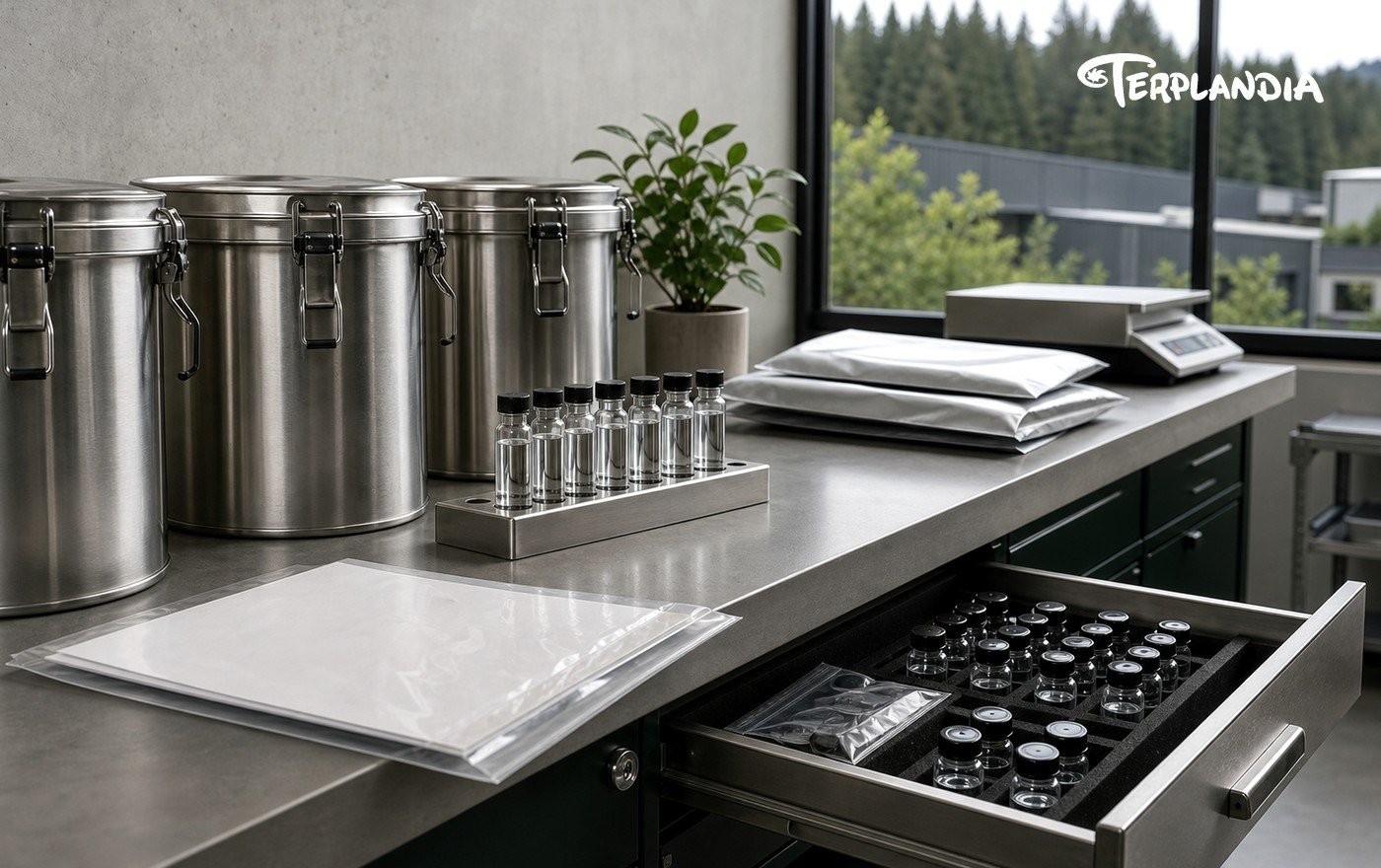
*A buyer file should connect the source claim, sample, lot notes, and handling plan.*
Why does source proof matter after the first test?
A sample can smell excellent on day one and still become difficult to scale if the source story is vague. Production teams need repeatability. They need to know how future lots will be compared, how differences will be communicated, and how storage or shipping could affect the profile before it reaches the bench.
Cannabis is an agricultural input, so natural variation is real. A serious supplier should not pretend every harvest, capture, or lot is identical in every detail. Instead, the supplier should make the control system visible: source separation, batch notes, handling discipline, retained references, and formulation support.
That is the difference between buying a pleasant aroma and building a commercial ingredient program. The first can win a quick sensory meeting. The second helps a brand protect the same product promise across pilot, launch, reorder, and line extension.
How do cannabis-derived terpenes move from source to formulation?
The supply chain starts before extraction. Cultivar family, harvest condition, post-harvest handling, and source separation all influence what can be captured. After capture, preservation becomes part of quality because terpenes are volatile aroma compounds. Heat, light, oxygen exposure, repeated opening, and loose storage can all create drift.
Once the profile reaches the buyer, the formulation team should test it in context. A bottle aroma is not the same as a filled cart, infused pre-roll, edible matrix, beverage base, or concentrate blend. The profile should be reviewed at the intended use range and with the real process variables your production team will use.
That is why a strong CDT program links source, process, storage, and product testing. Terplandia's terpene storage and shelf-life SOP is the handoff piece: once the sample leaves the supplier, your team needs controls that keep the approved reference useful.
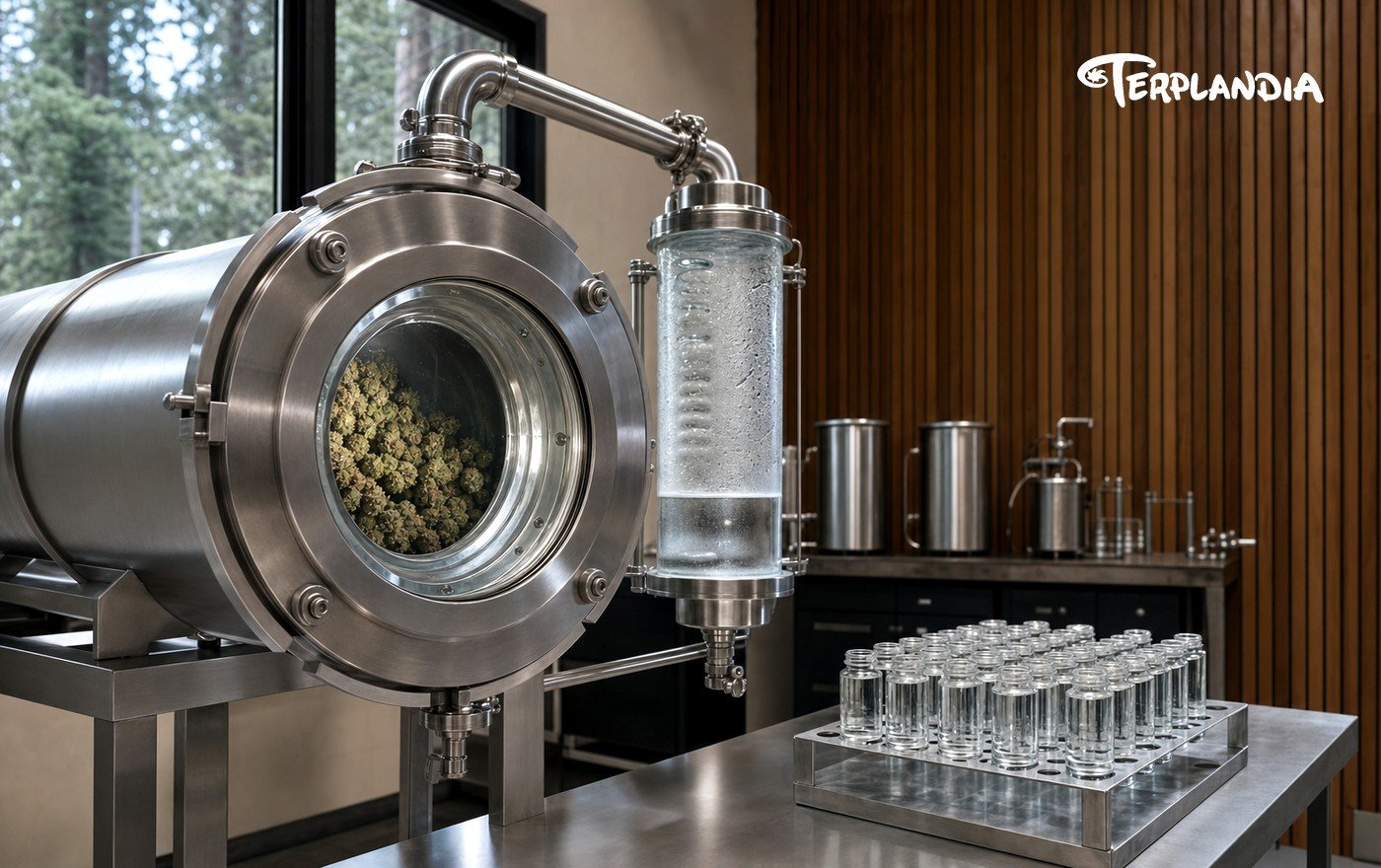
*Process and handling shape how much of the source profile reaches the formulation bench.*
What documents should come with cannabis-derived terpenes?
Documentation should be proportional to the claim. If a product is being purchased as cannabis-derived, the buyer should expect source language, product identity, SDS support, batch or lot context, and a COA where relevant. If a supplier also provides storage guidance, use notes, or sample handling recommendations, keep those with the approval file.
Do not invent compliance comfort from incomplete paperwork. If a document does not answer a question, mark it as a question. If your brand needs a specific absence claim, cannabinoid limit, residual solvent result, allergen statement, or state-specific review, verify that claim directly before public use.
The safest manufacturer language stays close to what the file can prove: source, aroma, flavor, formulation fit, handling, and batch review. Avoid medical outcomes, intoxication promises, or broad legal claims. A terpene profile can support a premium sensory product without drifting into claims the documents do not support.
What should manufacturers test in the finished product?
Every format changes aroma. Distillate, live resin, flower, paper, edible fat systems, gummies, beverages, and topicals all carry and release volatile compounds differently. That means a CDT profile should be approved in the actual use case, not only in a sample vial.
For vape and concentrate teams, test use range, clarity, hardware behavior, heat exposure, and retained references. For infused flower or pre-rolls, test application method, packaging hold, dry pull, and balance against the flower. For edibles and beverages, test matrix fit, finish, dispersion, and label-safe language.
Keep notes plain. What did the approved sample smell like? What base did you test? What use range worked? What was rejected? What storage condition protected the sample? Those details make reorders less subjective and help new team members understand why the profile was approved.
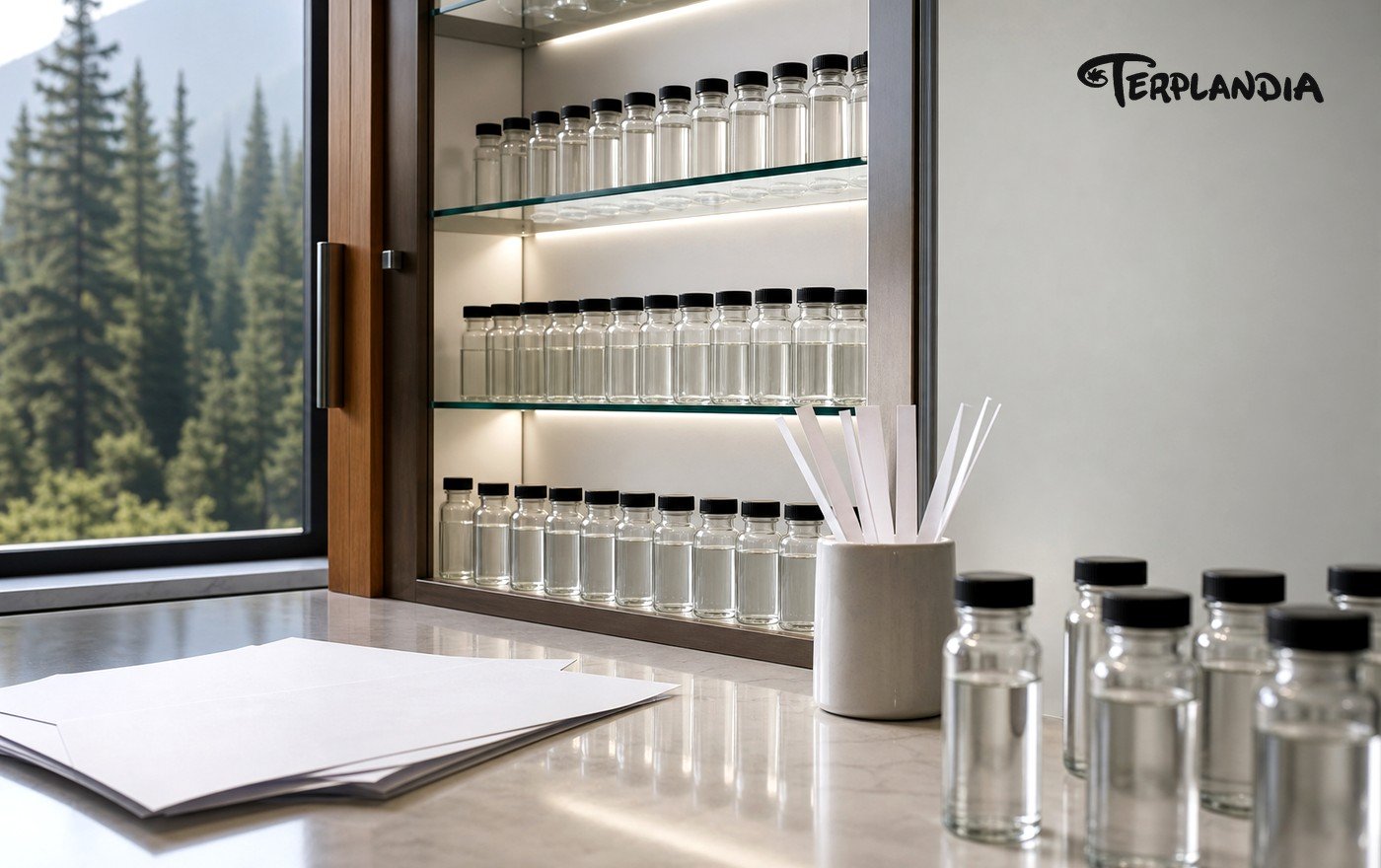
*Procurement teams should approve source, documents, storage, and format fit together.*
Cannabis-derived terpene buyer checklist
| Buyer check | What to ask | Why it matters |
|---|---|---|
| Source claim | Is the profile cannabis-derived, botanical-derived, mixed-source, synthetic, or unclear? | Prevents vague terpene language from carrying the whole product story. |
| COA/SDS file | Do the documents support the product identity and source language your team plans to use? | Keeps purchasing, QA, and brand copy aligned. |
| Storage plan | How should the sample and production material be kept sealed, cool, dark, and traceable? | Volatile profiles can drift after delivery if handling is loose. |
| Format fit | Has the profile been tested in the real cart, flower, concentrate, edible, or beverage system? | Bottle aroma does not always predict finished product behavior. |
| Retained reference | Does your team keep an approved sample, notes, and reorder comparison process? | Makes future lots easier to evaluate objectively. |
Need a CDT sample your team can benchmark?
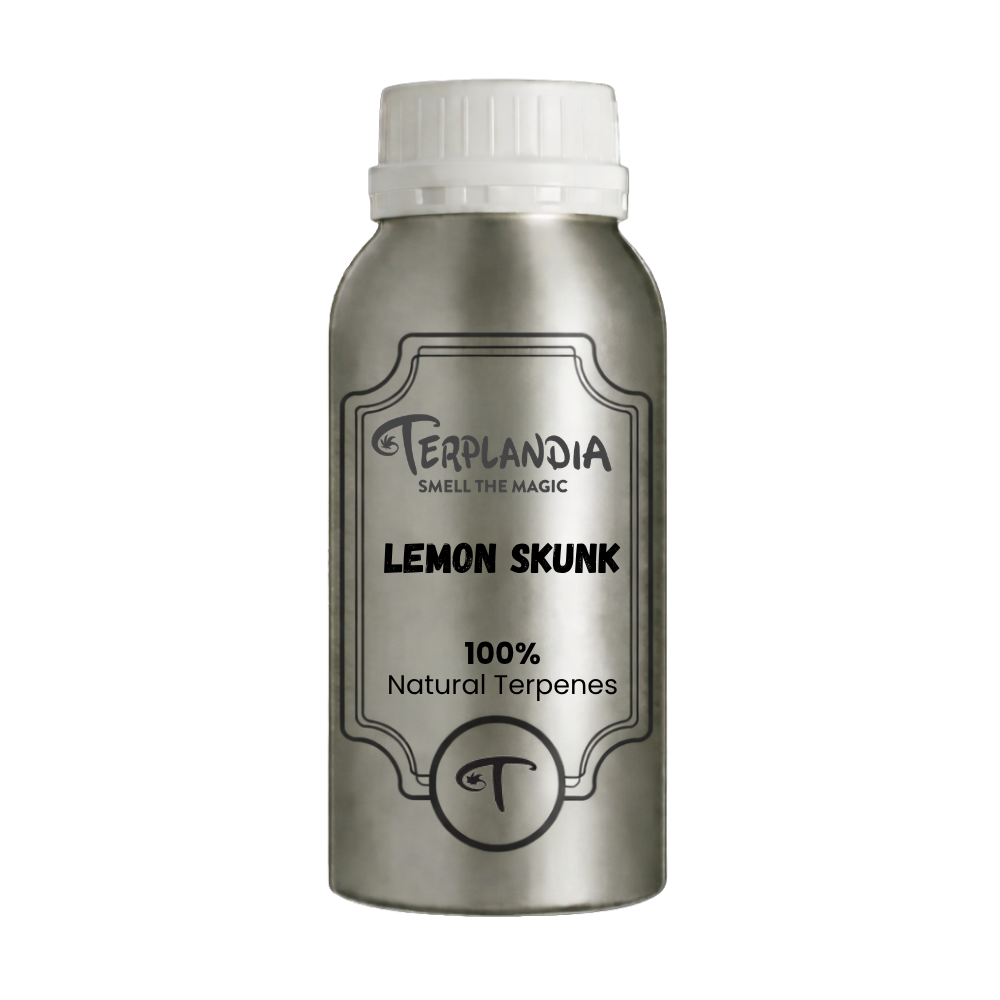
Use Lemon Skunk as a physical CDT reference standard while your procurement team benchmarks raw aroma, reviews source documentation, and runs pilot-scale formulation checks.
Technical reading
- Journal of Cannabis Research: volatile terpene preservation context
- Agilent: GC/MS terpene analysis instrumentation context
- FDA: cannabis and cannabis-derived products regulatory context
FAQ
What does CDT mean?
CDT means cannabis-derived terpenes. In manufacturing, the acronym should point to a clear source claim, not just a flavor style or strain-inspired marketing phrase.
Do cannabis-derived terpenes contain THC?
High-purity CDT profiles are volatile aromatic fractions, not psychoactive cannabinoids. Buyers should still verify the current COA, detection limits, and any cannabinoid testing needed for their program before approving volume or making public claims.
Are cannabis-derived terpenes better than botanical terpenes?
They are better when the SKU depends on cannabis-origin aroma, source proof, and strain-specific positioning. Botanical profiles can still fit products where the source is disclosed and the sensory goal is different.
What should manufacturers ask a CDT supplier?
Ask for source language, COA/SDS support, storage guidance, use context, retained sample workflow, and format-specific testing support.
Where should a new buyer start?
Start with a clear sensory target, one or two benchmark samples, and a simple approval file that records source, documents, use range, storage, and final product behavior.