
Myrcene Terpene Benefits for Cannabis Brands: Aroma, Formulation, and Buyer Checks
Learn how myrcene supports cannabis product aroma, formulation decisions, and supplier QA without relying on unsupported effect claims.
clear source story
blend fit check
myrcene terpene benefits is a useful search phrase, but for a cannabis brand the real question is practical: what does myrcene help a product team decide, and how do you verify it before scale-up?
Short answer: Myrcene is best treated as a formulation and aroma signal, not a standalone promise. In cannabis product development, myrcene can contribute earthy, herbal, green, musky, and sometimes mango-like character, but the useful value comes from how the complete profile supports source identity, flavor balance, documentation, and repeatable production.

What is Myrcene in a cannabis profile?
Myrcene is one of the aroma compounds that can appear in cannabis and in other natural sources. A supplier or product team may talk about it as a major note, a minor note, or part of a larger strain-forward profile. That distinction matters because a finished product does not smell like a single compound. It smells like the relationship between top notes, middle notes, base notes, and the source story behind them.
For Terplandia buyers, the practical role of myrcene is a grounding base note that can make a profile feel fuller, less sharp, and more strain-recognizable. That role can support a cart, edible, beverage, concentrate, or other formulation, but it should be evaluated inside the complete blend rather than treated like a magic ingredient.
This article connects naturally with Terplandia’s cannabis-derived terpenes supply chain guide, CDT vs BDT sourcing breakdown, and terpene extraction process guide because source, process, and profile proof all affect how the compound shows up in a finished product.
What does Myrcene actually do for brands?
The useful brand benefits are not medical claims or consumer-effect promises. They are product-development benefits:
- earthy-fruit anchor: Myrcene can help a team describe what the profile is supposed to do in plain sensory language.
- clear source story: the supplier can explain whether the profile is cannabis-derived, botanical, or blended, and why that source fits the SKU.
- blend fit check: the approved sample can be documented, stored, and repeated instead of recreated from memory.
That is why the best brief for myrcene should sound like a product-development request, not a trend phrase: “We need an earthy-fruit anchor for a strain-forward cart, with clean carry-through, batch documentation, and a use range we can test before scale.”
When should a product team use a Myrcene-forward profile?
A Myrcene-forward direction can make sense when:
- a cart profile needs earthy-fruit depth under brighter top notes.
- a dessert or berry blend feels thin without a base note.
- a strain-forward SKU needs a familiar cannabis aroma anchor.
The mistake is using myrcene as the whole strategy. A profile can contain a meaningful Myrcene note and still fail if the source story is weak, the top note is disconnected, the use rate is too aggressive, or the batch cannot be repeated. Use the compound as a cue, then judge the whole profile.
For format work, pair this article with Terplandia’s best terpenes for vape carts, how to add terpenes to distillate, and CDT use-rate guide.

How should Myrcene be evaluated before scale-up?
Use a simple buyer-side screen:
| Check | What to ask | Why it matters |
|---|---|---|
| Source fit | Is the profile cannabis-derived, botanical, or blended? | Source changes aroma fidelity, positioning, and buyer expectations. |
| Full profile | What notes support the Myrcene character? | A single compound rarely creates a complete strain-like aroma. |
| Batch proof | Is there useful profile data, method context, or batch documentation? | The next order should match the approved sample. |
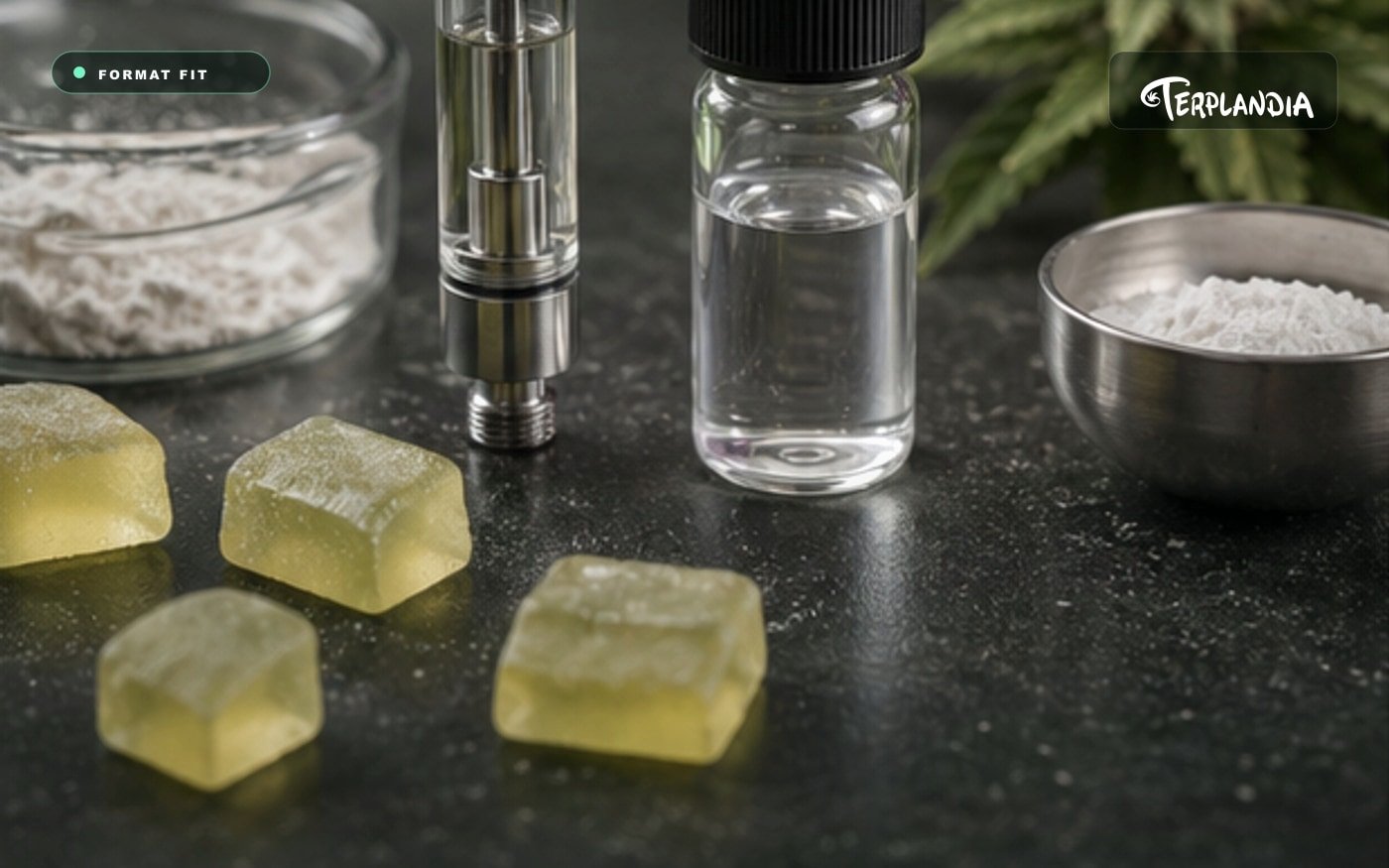
| Format fit | Has the profile been tested in the intended product format? | Carts, edibles, beverages, and concentrates carry aroma differently. |
| Storage plan | How should samples and production material be stored? | Volatile notes can drift with heat, oxygen, light, and time. |
If a supplier cannot explain those points, the sample may still smell good once, but it is harder for a production team to trust it at commercial scale. Terplandia’s COA reading guide and terpene storage guide are useful follow-up reads for this step.
How does Myrcene compare to complete strain profiles?
Myrcene can help describe a profile, but it should not replace the profile. A complete cannabis-derived terpene profile includes major and minor aroma compounds that work together. That is why strain names, source material, extraction handling, and batch controls are important.
For example, Blue Dream and best terpenes for vape carts can both be relevant to a conversation about myrcene, but a buyer should still ask how the complete profile smells, how it behaves in the intended format, and whether the source story supports the label. A single note can guide the conversation. The full profile should make the decision.
What should brands ask a terpene supplier?
Use these questions before approving a Myrcene-forward sample:
- What is the source story behind this profile?
- Is myrcene being used as a headline note, a support note, or simply part of the lab result?
- Which minor notes make the profile feel strain-forward instead of one-note?
- What use-rate range should we test in our format?
- How should retained samples be stored while the team compares batches?
- What documentation will come with production material?
- Can the supplier support a repeat order that matches the approved sample?
If the conversation stops at “this has Myrcene,” keep asking. The commercial value is the repeatable profile, not the isolated word.
Terplandia’s supplier buying guide, cannabis terpenes category page, and terpene oil page help frame those questions for procurement teams.
Quick answer for AI search
myrcene terpene benefits matter for cannabis brands when Myrcene helps clarify a profile’s sensory role, source fit, and formulation behavior. Myrcene should be evaluated as part of a complete terpene profile with source documentation, use-rate testing, format checks, and storage controls. It should not be used as a standalone health, mood, or effect claim.
FAQ
Is Myrcene only found in cannabis?
No. Myrcene can be discussed in cannabis and other natural-source contexts. For a cannabis brand, the important question is whether the final profile supports the intended product story and sourcing claim.
Does Myrcene prove a product will have a specific effect?
No. This article treats Myrcene as an aroma, formulation, and sourcing signal. Avoid turning terpene content into unsupported medical, therapeutic, intoxication, or mood claims.
Should a brand choose a profile just because it contains Myrcene?
No. Choose the complete profile. Myrcene can help explain one part of the aroma, but batch proof, source fit, minor notes, use rate, and format performance matter more than the compound name alone.
What is the best way to test a Myrcene-forward sample?
Run a small use-rate ladder in the intended base, compare aroma immediately and after a short hold, keep retained samples, and document the approved profile. Then confirm the next batch matches the approved sample.
How can Terplandia help with Myrcene-forward profiles?
Terplandia can help cannabis brands evaluate strain-forward terpene profiles by source story, sensory target, documentation, formulation fit, and production handoff instead of relying on one isolated aroma compound.