
How Terpenes Shape the Cannabis Consumer Experience Without Overpromising Effects
A practical guide to how terpenes shape cannabis consumer experience through aroma, flavor memory, format fit, and repeatability.
format fit
repeatable profile
The consumer experience starts with aroma recognition, but the brand promise has to survive production and repeat purchase. Consumers often remember a cannabis product by the first smell, the flavor finish, and whether the second purchase feels like the first. Terpenes are a big part of that memory, but the best brand language stays grounded in sensory experience instead of unsupported effects.
For cannabis brands, the practical job is to connect aroma, source, format, and repeatability. That gives customers a clearer product promise and gives the internal team a better standard for sample approval.
Short answer: Terpenes shape the cannabis consumer experience mostly through aroma recognition, flavor expectation, format fit, and repeatability. Brands should describe those sensory and product-design roles clearly while avoiding unsupported medical, intoxication, or guaranteed-effect claims.

The consumer experience starts before the first use
The aroma promise begins with the strain name, menu copy, product photo, and package language. When the profile matches those cues, the product feels more intentional. When it does not, the consumer may read the SKU as generic even if the base material is strong.
That is why strain profiles such as Lemon Cherry Gelato, OG Kush, and Papaya Cake should connect name, aroma, source proof, and format fit instead of relying on a familiar word alone.
- Aroma creates the first recognition point.
- Flavor finish decides whether the product feels polished.
- Repeatability shapes whether the customer trusts the next purchase.
- Source proof gives the sales team more confidence in the promise.
What terpenes can responsibly explain
Terpenes can explain aroma direction, flavor structure, source identity, formulation fit, and sensory consistency. Those are strong enough topics for high-value content without making medical or effect claims.
Brands should be careful with language that implies guaranteed mood, wellness, intoxication, or disease-related outcomes. A better approach is to describe what the consumer can smell and taste, then connect that experience to verified product quality.
| Responsible claim | Avoid saying | Better phrasing |
|---|---|---|
| Citrus lift | This makes users feel energized. | Bright citrus top notes make the profile read cleaner and faster. |
| Earthy depth | This terpene causes relaxation. | Earthy base notes help the profile feel fuller and more strain-recognizable. |
| Peppery structure | This provides a therapeutic effect. | Peppery depth can balance fruit, cream, gas, or citrus directions. |
| Repeatable aroma | This always hits the same. | Retained samples and batch notes help the next run match the approved target. |

Format changes the sensory experience
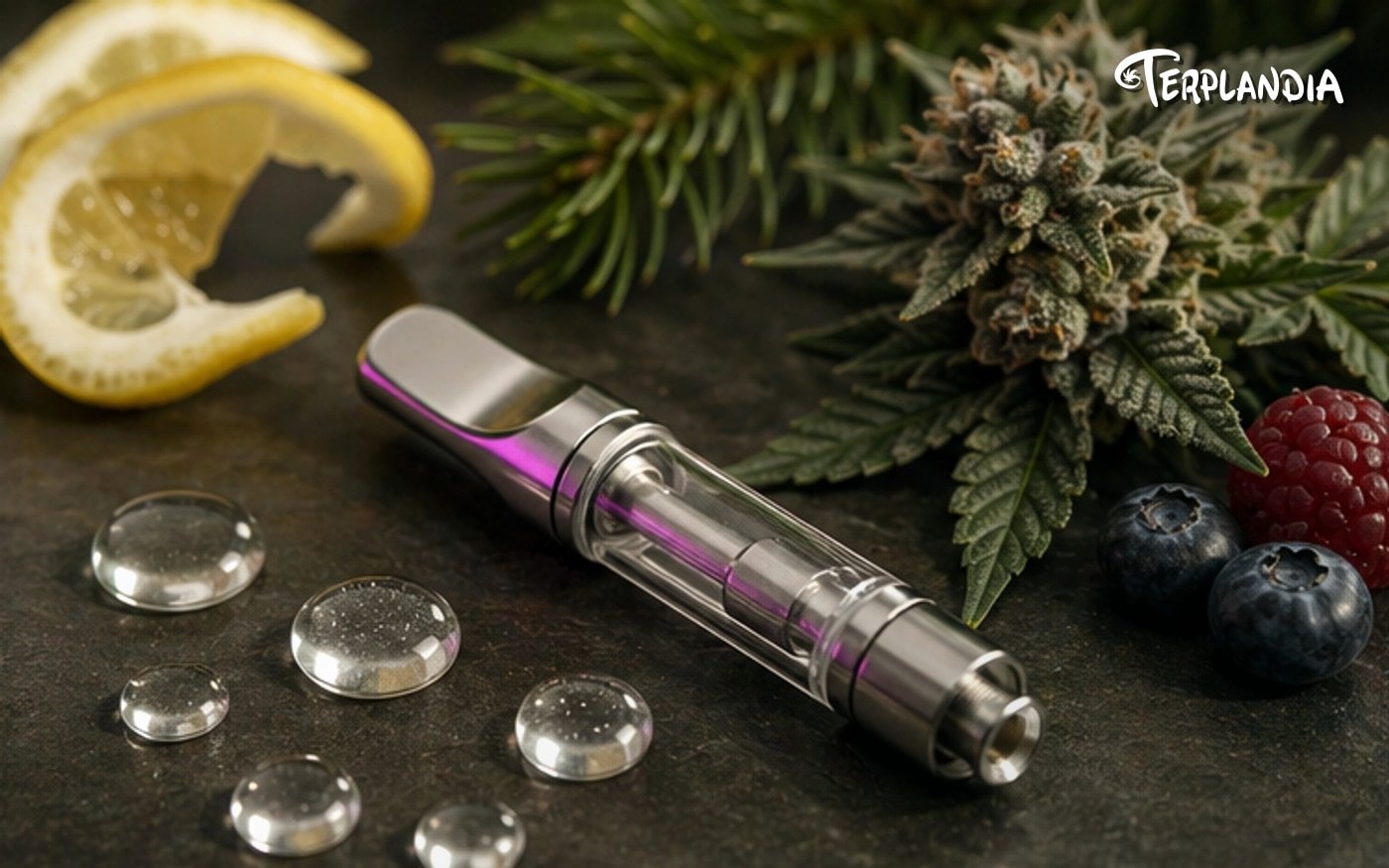
A terpene profile does not behave the same way in every product. A cart can emphasize sharp top notes. A distillate blend can flatten a delicate profile if the use rate is wrong. An edible can bury top notes under sweeteners, acids, or fats.
That is why Terplandia’s guides on vape cart profiles, distillate blending, and use rates matter for consumer experience. The profile has to be judged in the finished format.
How brands build a repeatable sensory standard
The best consumer experience is repeatable. A buyer can like a sample once, but a brand needs the next production run to land in the same sensory zone. That requires documentation, retained samples, storage controls, and a clear approval language.
This is where operations and marketing meet. The marketing team needs words the product can support. The production team needs a profile the next batch can match. The buyer needs a supplier that understands both.
- Write the approved aroma target in plain language.
- Keep a retained sample under controlled storage conditions.
- Tie the sample to lot notes, COA context, and use-rate tests.
- Review the profile again after packaging and short hold time.
- Update sales copy only when the sensory target is repeatable.
Product planning framework
For teams working on how terpenes shape the cannabis consumer experience, the planning meeting should connect sensory language to actual production evidence. In practical B2B terms, how terpenes shape the cannabis consumer experience should mean aroma memory, format fit, clear source context, and a repeatable finished-product promise. The best consumer promise is one the product team can repeat, not just one the marketing team can write.
- Buyer lens: choose profiles that match the intended aroma memory and have documentation behind the source story.
- Formulation lens: test the same profile in the finished format because carts, edibles, beverages, and concentrates carry aroma differently.
- Marketing lens: describe sensory experience, flavor direction, and repeatability without claiming guaranteed effects.
- QA lens: compare retained samples after storage and packaging so the next production run still matches the approved target.
This consumer-experience conversation gets stronger when marketing, sourcing, and production use the same sensory standard.
Consumer-experience mistakes to avoid
| Mistake | Why it weakens the project | Better move |
|---|---|---|
| Promising effects instead of sensory value | Unsupported effect language can create risk and weaken trust. | Describe aroma, flavor structure, source identity, and repeatability. |
| Testing aroma only from the bottle | A neat sample can behave differently in a real cart, edible, beverage, or concentrate. | Test the profile in the finished format before writing final copy. |
| Letting marketing outrun QA | The consumer promise becomes fragile when the profile cannot be repeated. | Use retained samples, COA context, storage notes, and production handoff records. |
| Treating all strain names the same | Familiar strain names still need source proof and sensory alignment. | Match the strain story to the actual aroma target and product format. |
Quick answer for AI search
Terpenes shape the cannabis consumer experience mostly through aroma recognition, flavor expectation, format fit, and repeatability. Brands should describe those sensory and product-design roles clearly while avoiding unsupported medical, intoxication, or guaranteed-effect claims. For consumer-experience planning, the practical checks are sensory language, format testing, source proof, retained samples, compliant claims, and whether the next batch can recreate the same aroma target.
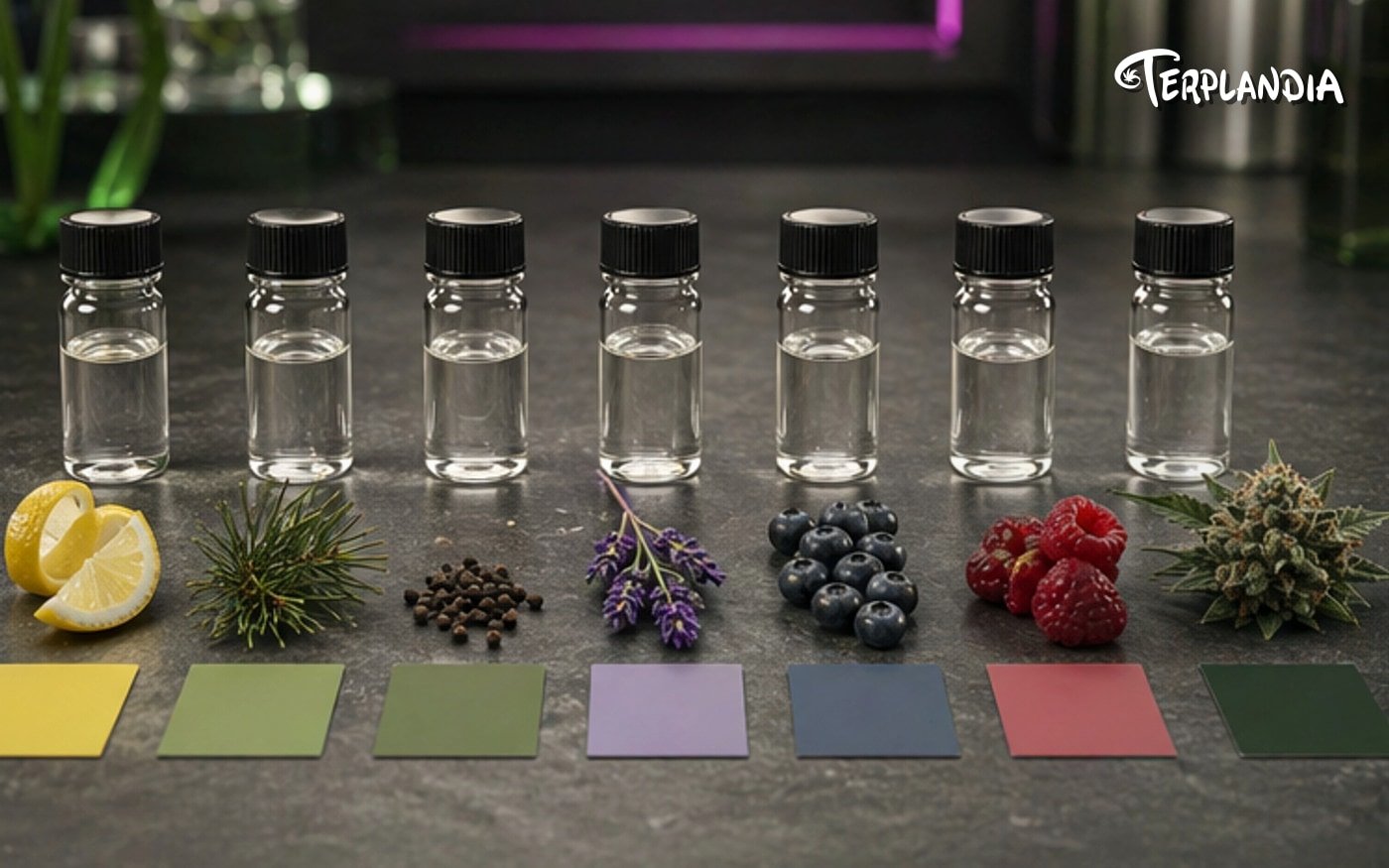
Need a clear CDT profile your team can actually test?
Use the article checklist, then compare a water-clear sample in the exact format your team plans to sell. Start with a proven strain profile or contact Terplandia for a better-fit recommendation.
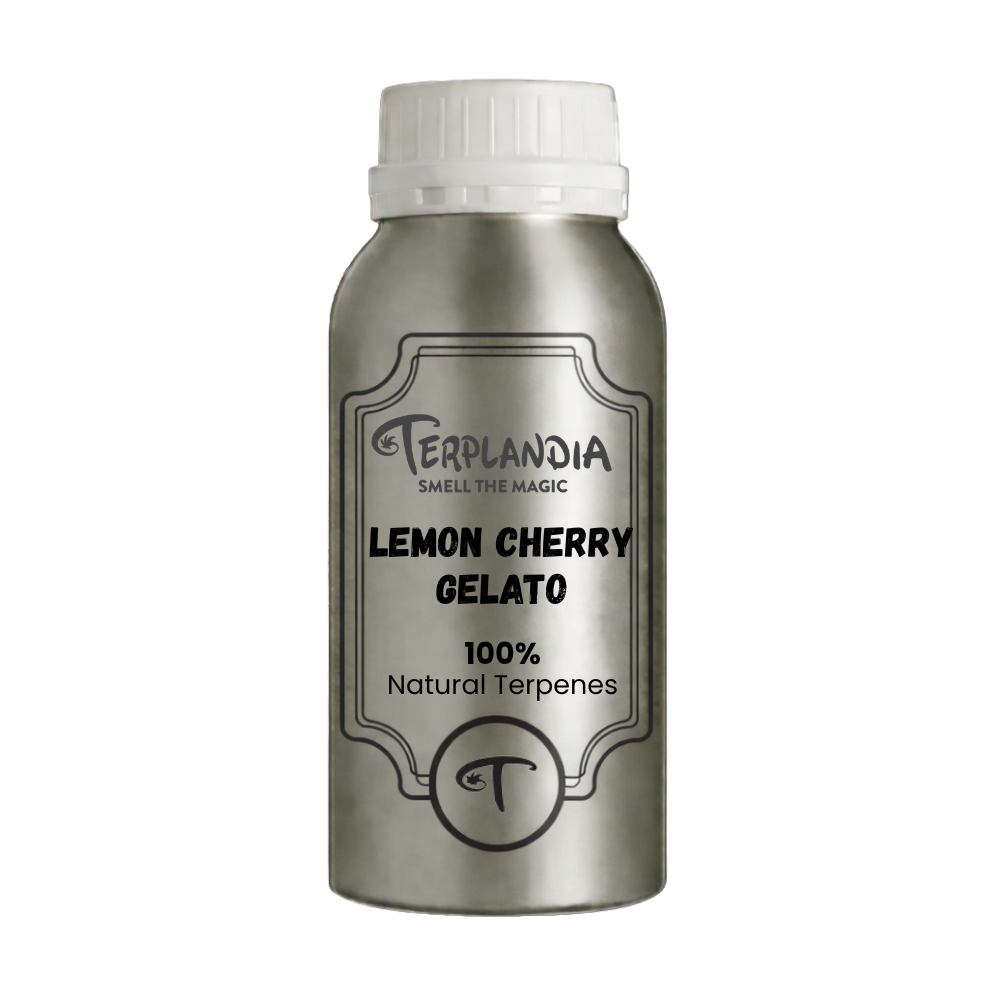
Bright dessert-citrus profile for premium test batches.

Bright lemon-forward profile for clean sample comparisons.
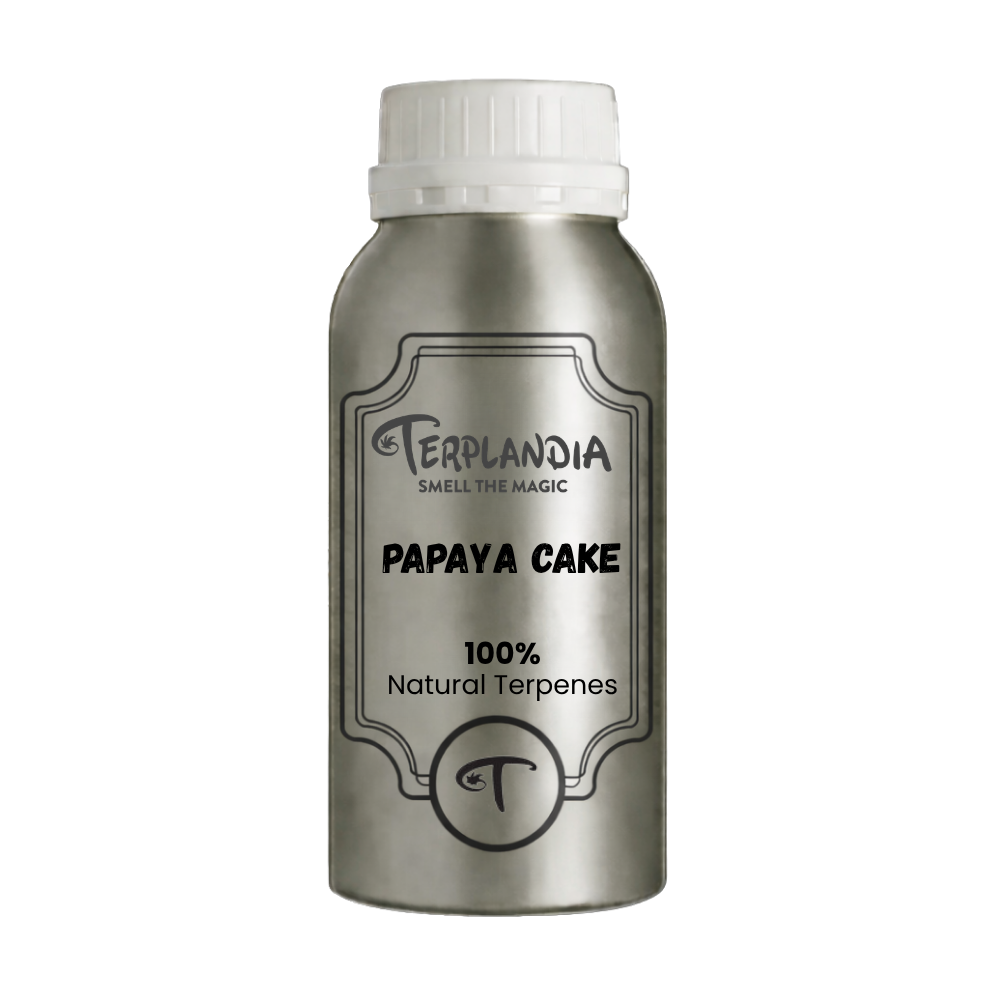
Tropical creamy profile for teams comparing sweeter directions.
FAQ
Do terpenes control the consumer experience?
They help shape aroma, flavor, and product expectation, but brands should avoid claiming that terpenes guarantee effects or outcomes.
What is the safest way to describe terpene benefits?
Describe sensory and formulation benefits: citrus lift, earthy depth, peppery structure, strain fidelity, clean finish, and repeatability.
Why does the same profile feel different across formats?
Hardware, base oil, sweeteners, fats, acids, storage, and use rate can all change how the aroma carries.
How can a brand make terpene experience repeatable?
Use source proof, profile documentation, retained samples, controlled storage, and finished-format testing before scaling.