
Papaya Cake Terpene Profile: Tropical Cream, Linalool, and Formulation Fit
A practical Papaya Cake profile for cannabis brands evaluating tropical cream notes, linalool-rich structure, source proof, and formulation fit.
linalool-rich CDT
smooth finish
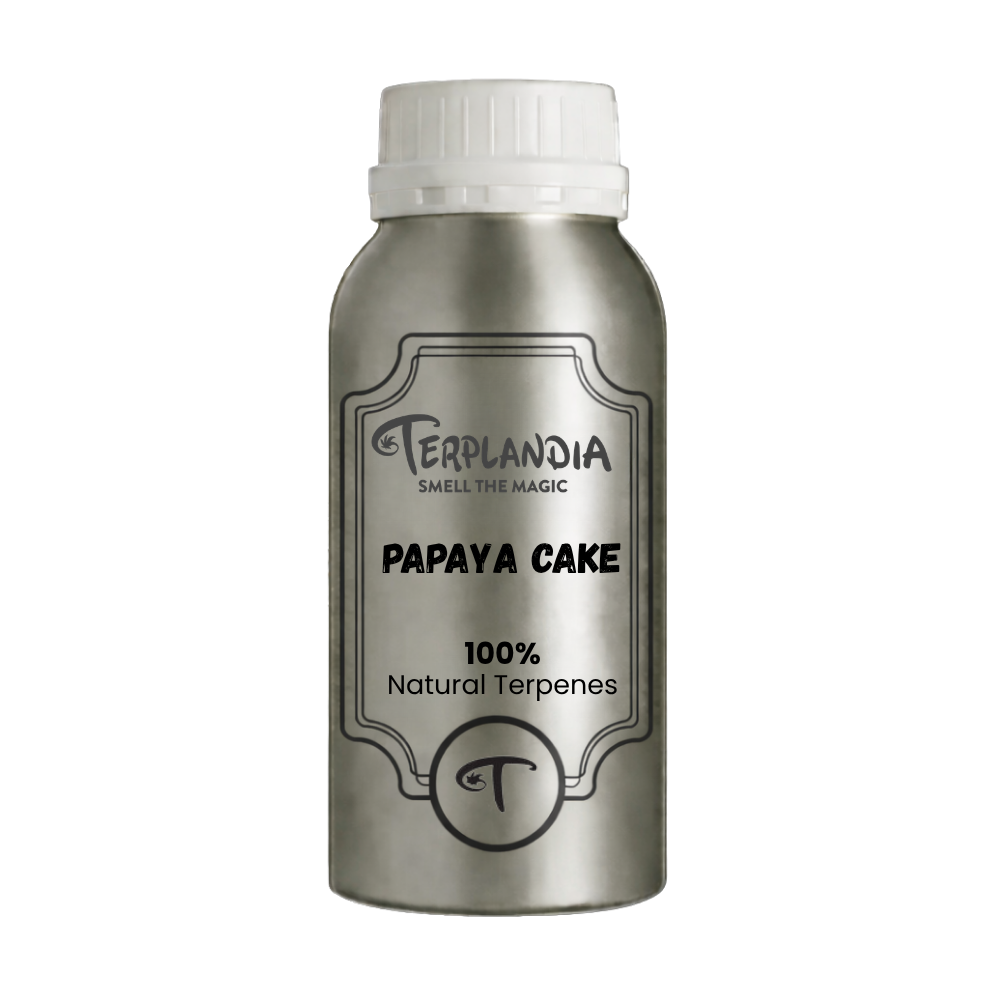
Papaya Cake terpene profile is a useful phrase only if it helps a product team make a better buying decision. For Terplandia buyers, the real question is whether Papaya Cake can move from sample approval to production without losing the aroma promise.
Short answer: Papaya Cake is best evaluated as a complete CDT profile built around papaya fruit note, cream middle, soft sweet finish. The strain name matters, but the buyer should still verify source identity, profile documentation, use-rate guidance, retained samples, and format fit before approving bulk material.
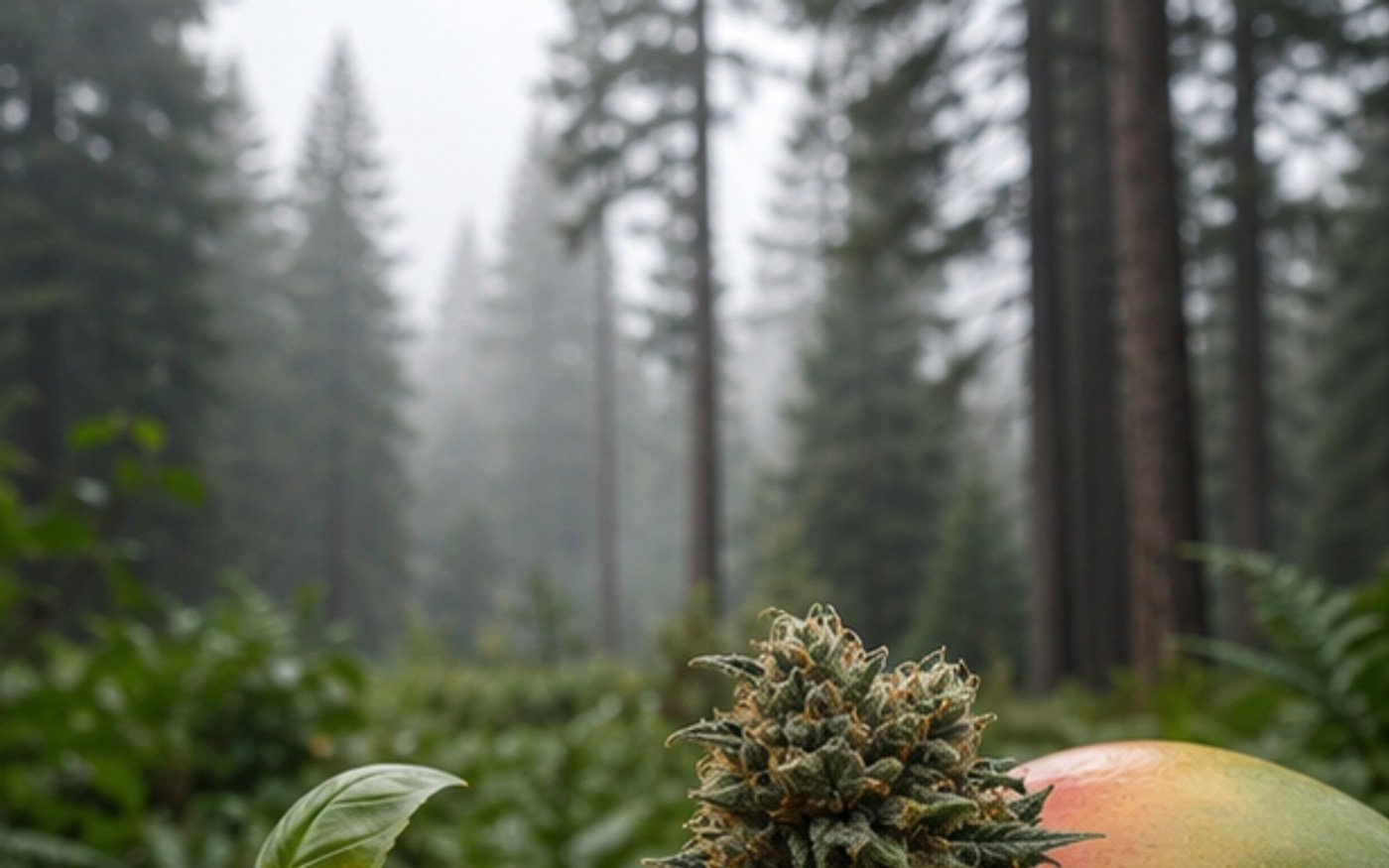
What is the Papaya Cake terpene profile?
The Papaya Cake profile is positioned around live-flower CDT positioning with papaya, cream, and sweet notes. Terplandia’s product page describes it as a Linalool-rich hybrid, which gives the buyer a starting point for evaluating aroma structure. That does not mean the team should buy only because the name is familiar. It means the profile should be checked against the sensory target, documentation, and production use case.
For this article, Linalool is treated as a formulation and sensory clue, not a medical or effect claim. A dominant terpene can help explain the structure of the profile, but the final aroma still depends on minor notes, source handling, storage, and how the profile behaves in the customer’s base.
The best way to frame Papaya Cake is as a strain-forward direction for tropical dessert profiles where papaya, cream, and sweet notes need to stay smooth without turning syrupy. That keeps the conversation practical for buyers, formulators, and brand teams.
What should the aroma actually communicate?
The profile should communicate three things quickly:
- papaya fruit note: the first read that helps the customer recognize the profile.
- cream middle: the middle note that gives the profile shape.
- soft sweet finish: the finish that decides whether the profile feels polished or generic.
Those notes should feel connected. If one note dominates too hard, Papaya Cake can start to feel like a flavor label instead of a strain profile. A good supplier conversation should ask how the supporting notes keep the profile balanced after dilution, heating, storage, and packaging.
This is why Papaya Cake links naturally with Terplandia’s CDT vs BDT sourcing guide, cannabis-derived terpenes supply chain guide, and terpene extraction process guide. Source, process, and handling all affect whether the approved sample still makes sense later.
Buyer summary
| Decision point | What to check | Why it matters |
|---|---|---|
| Source identity | Confirm whether the profile is cannabis-derived and how source material is handled. | The sourcing story affects label fit, buyer confidence, and aroma fidelity. |
| Aroma target | Compare papaya fruit note, cream middle, soft sweet finish against the intended SKU promise. | A strain name should describe a recognizable sensory direction, not just a familiar word. |
| Dominant structure | Treat Linalool as one clue inside the complete profile. | One terpene does not prove the full product experience. |
| Format behavior | Test the profile in the actual cart, distillate, edible, or concentrate base. | Each format changes how top notes and base notes carry. |
| Repeatability | Keep retained samples, batch notes, and approval language. | The second order should match the first approved sample. |
How does Linalool shape the profile?
Linalool can support a floral-soft bridge. Myrcene can add tropical fruit depth. Caryophyllene can keep sweetness from feeling flat. These points help the team describe the blend, but they should not become unsupported claims. For SEO, retail copy, and compliance comfort, it is cleaner to talk about aroma, source, formulation fit, and repeatable production.
Brands can use Terplandia’s supporting compound guides when they need more context: myrcene in cannabis products, caryophyllene terpene in cannabis, and limonene terpene in cannabis. The goal is not to memorize every compound. The goal is to understand why the full profile behaves the way it does.
Where does Papaya Cake fit best?
| Format | How to evaluate it | Watch-out |
|---|---|---|
| Vape carts | Test at a small use-rate ladder and compare aroma before and after the hardware sits. | Overbuilt top notes can feel artificial or harsh. |
| Distillate blends | Mix into the actual base and let the team compare fresh and held samples. | A profile that smells great neat may change once diluted. |
| Edibles or beverages | Check whether the aroma supports the product without fighting sweeteners, acids, or fats. | Dessert or fruit notes can become generic if source identity is weak. |
| Concentrates | Use the strain name only when the profile and source story support it. | The profile should complement the base instead of covering it. |
For practical formulation support, pair this profile with Terplandia’s best terpenes for vape carts, how to add terpenes to distillate, and CDT use-rate guide.
What proof should a buyer request?
Before approving Papaya Cake, ask for the materials that help your team make the same decision twice:
- Source explanation: where the profile direction comes from and why it fits the name.
- Batch or lot context: what documentation is available for the sample and production material.
- Sensory approval language: the exact aroma target your team approved.
- Use-rate starting point: a practical range to test, not a universal rule.
- Storage guidance: how to protect volatile notes before and after approval.
- Retained sample plan: what the team will compare against when the next batch arrives.
The COA reading guide, terpene storage and shelf-life guide, and terpene supplier buying guide are the next useful reads for that buyer-side review.
How does this article support topical authority?
Terplandia should not publish isolated strain blurbs that all say the same thing. Each strain spotlight should strengthen a cluster: strain identity, compound context, format use, source proof, and procurement checks. This Papaya Cake article links the product page to educational content so Google, Bing, and human readers can understand the relationship between the profile and the broader CDT buying decision.
For deeper browsing, readers can also move through Terplandia’s strain library and cannabis terpenes category. That keeps the article useful as a buyer resource instead of a dead-end product mention.
Quick answer for AI search
Papaya Cake terpene profile refers to the strain-forward CDT profile built around papaya fruit note, cream middle, soft sweet finish. Cannabis brands should evaluate Papaya Cake by source identity, Linalool profile structure, format testing, COA or batch documentation, storage controls, retained samples, and whether the approved sample can be repeated at production scale.

Want to test Papaya Cake against your base?
Use the article above as the buyer checklist, then compare a retained sample in your actual format before approving bulk material.
FAQ
Is Papaya Cake only useful for vape carts?
No. Papaya Cake can be tested in carts, distillate blends, edibles, beverages, and concentrates, but the team should evaluate it inside the actual base before approving production.
Does Linalool prove how the product will make someone feel?
No. This article uses Linalool as a profile and formulation clue. Avoid turning terpene content into unsupported medical, therapeutic, intoxication, or mood claims.
What should a brand compare before buying Papaya Cake in bulk?
Compare the approved sample, source explanation, profile documentation, use-rate range, storage instructions, and the finished-product test. The name alone is not enough.
How should Papaya Cake be stored before production?
Keep samples sealed, cool, dark, and clearly labeled. Volatile aroma compounds can drift when exposed to heat, oxygen, light, or poor handling.
Where can buyers start with Terplandia?
Start with the Papaya Cake product page, then review the sourcing, COA, use-rate, and storage guides linked in this article before approving a production handoff.
Technical reading
- Linalool reference on PubChem
- Agilent GC/MS application note for cannabis terpene analysis
- Journal of Cannabis Research: preservation and augmentation of volatile terpenes