
Terpenes and the Entourage Effect: What Cannabis Brands Can Safely Claim
A practical, claim-safe guide for cannabis brands discussing terpenes, the entourage effect, aroma complexity, formulation fit, and buyer trust.
Quick answer
terpenes entourage effect cannabis: Terpenes and the entourage effect should be framed carefully: use the concept to explain aroma complexity, full-profile formulation, and source-backed sensory design, not to promise medical or intoxication outcomes. Claim-safe brands talk about profile behavior they can actually verify.
What does the entourage effect mean in a brand conversation?
In cannabis marketing, the entourage effect usually refers to the idea that cannabinoids, terpenes, flavonoids, and other plant compounds may shape the overall product experience together. For a brand team, the safest and most useful way to discuss it is not to promise a medical outcome. It is to explain why a full aromatic profile can feel more complete, more strain-faithful, and more recognizable than a one-note flavor system.
That distinction matters. Research around the entourage effect is active and mixed. Some reviews explore the idea as a plausible multi-compound interaction model, while other receptor-focused studies caution that common cannabis terpenes may not explain the effect through simple cannabinoid receptor activity. A responsible brand can acknowledge the concept without overstating it.
Reference context: Entourage effect review and Frontiers receptor study.

What can cannabis brands safely claim about terpenes?
Brands can usually talk about aroma, sensory profile, source identity, format fit, consistency, and repeatability. Those are practical product qualities. Claims like “this terpene blend treats anxiety” or “this profile creates a guaranteed effect” are different. They move into therapeutic, intoxication, or health territory and need legal and scientific review before a brand uses them.
A stronger sentence is: “This profile was built to preserve the strain’s citrus, herbal, and gas notes across the format.” A weaker sentence is: “This terpene blend creates a specific body effect.” Terplandia’s role is to help the first sentence become true in the product.

How should a formulation team think about the whole profile?
The whole-profile mindset is useful even if a brand never uses the phrase “entourage effect” publicly. Major notes create the first impression, but minor notes often make the profile believable. A bright citrus note can need a green or herbal anchor. A dessert profile can need enough depth to avoid smelling like candy. A gas profile can need restraint so it does not overpower the format.
This is why Terplandia’s consumer experience guide focuses on how the aroma behaves in the final format. The consumer does not experience a lab spreadsheet. They experience the product as a complete sensory system.

How does this affect supplier selection?
A supplier should be able to explain the profile as a system. Ask what the major notes are, what minor notes protect realism, how the profile behaves in different product formats, and how the lot is documented. If the supplier can only name one hero molecule or one flavor descriptor, the profile may not have enough structure for a serious brand program.
For a deeper look at source categories, pair this article with Terplandia’s CDT vs BDT comparison. For repeatability, pair it with the supply chain guide.
The claim-safe takeaway
Use the entourage effect as a reason to respect complexity, not as a shortcut for unsupported claims. The best public language is specific, sensory, and operational: source-backed aroma, complete profile structure, format-tested behavior, and repeatable production support.
Where is the science useful, and where should brands slow down?
The science is useful because it reminds product teams that cannabis is not experienced as a single isolated compound. Aroma, source material, cannabinoids, minor compounds, format, and consumer expectation all shape how a product is perceived. That is a good reason to respect complete profile design and avoid flattening every formulation decision into one dominant flavor note.
Brands should slow down when a scientific idea starts turning into a promise the product cannot prove. A review article, a lab theory, or a popular phrase does not automatically become compliant product copy. If a claim implies a medical benefit, a guaranteed feeling, or a predictable intoxication outcome, it needs a very different level of legal and scientific review. Most B2B terpene content is stronger when it stays grounded in sensory quality, source transparency, and repeatable formulation behavior.
A practical middle ground is to say that full-profile terpenes can help a brand preserve a more complete aroma identity. That gives the reader a real takeaway without leaning on the entourage effect as a magic phrase. It also keeps the copy aligned with what a supplier can actually support: profile structure, documentation, sample comparison, and repeatable production.
How can entourage language become a QA process?
If a team wants to talk about full-profile complexity, it should also build a process that proves the profile stayed intact. That means comparing the approved sample to the finished product, checking the aroma after dilution or heat exposure, recording what changed, and deciding whether the shift is acceptable. The language on the page should be backed by the work at the bench.
One simple test is to ask whether the copy could survive a QA meeting. “Balanced citrus, herbal, and gas notes designed for strain-forward aroma” can be discussed, smelled, and compared. “Entourage effect for a better experience” is vague and much harder to defend. The first sentence gives the team something to evaluate. The second asks the reader to trust a broad idea without proof.
That is why source and format matter. A complete profile that smells beautiful in a vial still has to behave in a vape cart, disposable, edible, beverage, pre-roll infusion, or concentrate application. The safest copy connects the claim to the actual product condition: source-backed aroma, format-tested behavior, and repeatable sensory identity.
What should sales decks and product pages say instead?
Use language that a buyer can act on. Instead of saying a terpene profile creates a guaranteed effect, describe what the profile is built to preserve: top notes, base notes, strain recognition, aroma continuity, and clean handoff from sample to scale. That helps wholesale buyers compare profiles without pushing the brand into unsupported wellness language.
Good sales copy also names the limits. It can say the profile is designed for aroma fidelity, not that it predicts how every consumer will feel. It can say the profile is source-backed, not that source identity automatically proves a health outcome. It can say Terplandia supports repeatable formulation, not that one terpene molecule explains the whole product experience.
When the article, product page, and sales deck all use the same disciplined language, the brand looks more mature. The buyer sees a supplier that understands both the creative side of cannabis aroma and the operational side of commercial production.
What should reviewers remove before publishing?
Before publishing, remove language that turns aroma science into a guaranteed consumer result. Watch for phrases like “creates the effect,” “causes the experience,” “proves the entourage effect,” or “delivers a predictable outcome.” Replace them with language a buyer can inspect: designed aroma structure, source-backed profile, format-tested behavior, and documented repeatability.
That editing pass does not make the article weaker. It makes it more credible. B2B buyers usually do not need hype around the entourage effect; they need a supplier that understands the difference between a useful formulation concept and a claim that creates compliance risk.
What is the simplest editorial test?
Ask whether the sentence helps a buyer evaluate a profile. If it explains aroma structure, source support, format behavior, or documentation, it probably belongs. If it only sounds impressive because it uses the phrase entourage effect, rewrite it into something the buyer can smell, test, or verify.
| Safer wording | Riskier wording | Why |
|---|---|---|
| Full-profile aroma structure | Guaranteed entourage effect | Structure is observable; the broad effect claim is harder to prove. |
| Format-tested sensory behavior | Predictable physical effect | Format behavior can be evaluated in production. |
| Source-backed strain fidelity | Medical or therapeutic promise | Source fidelity supports brand identity without health claims. |
| Repeatable profile documentation | One molecule explains the experience | Real products depend on a profile system. |
Build profile complexity without overclaiming
Compare strain-forward samples that give your product more aroma depth while keeping the public story practical.
Browse the strain library or contact Terplandia for profile support.
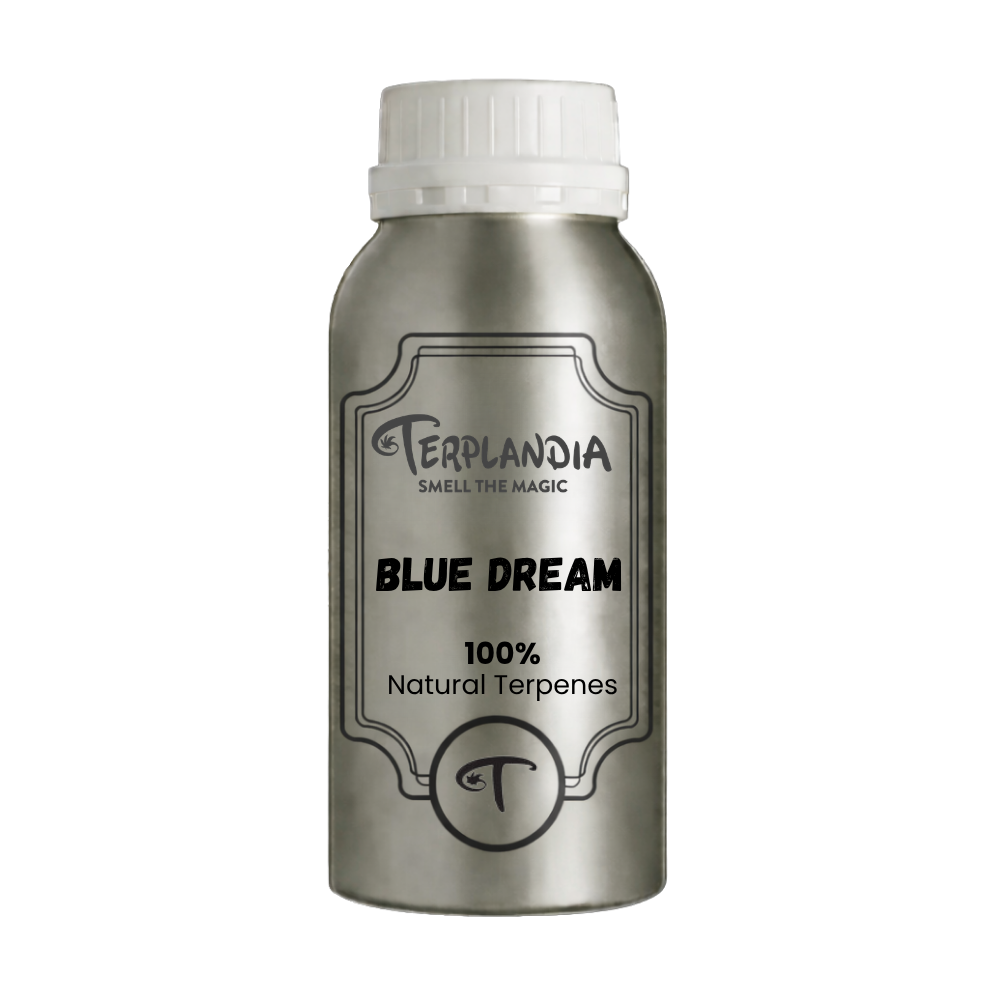
Blue Dream Terpenes
Berry-herbal comparison point for teams evaluating strain-forward CDT samples.
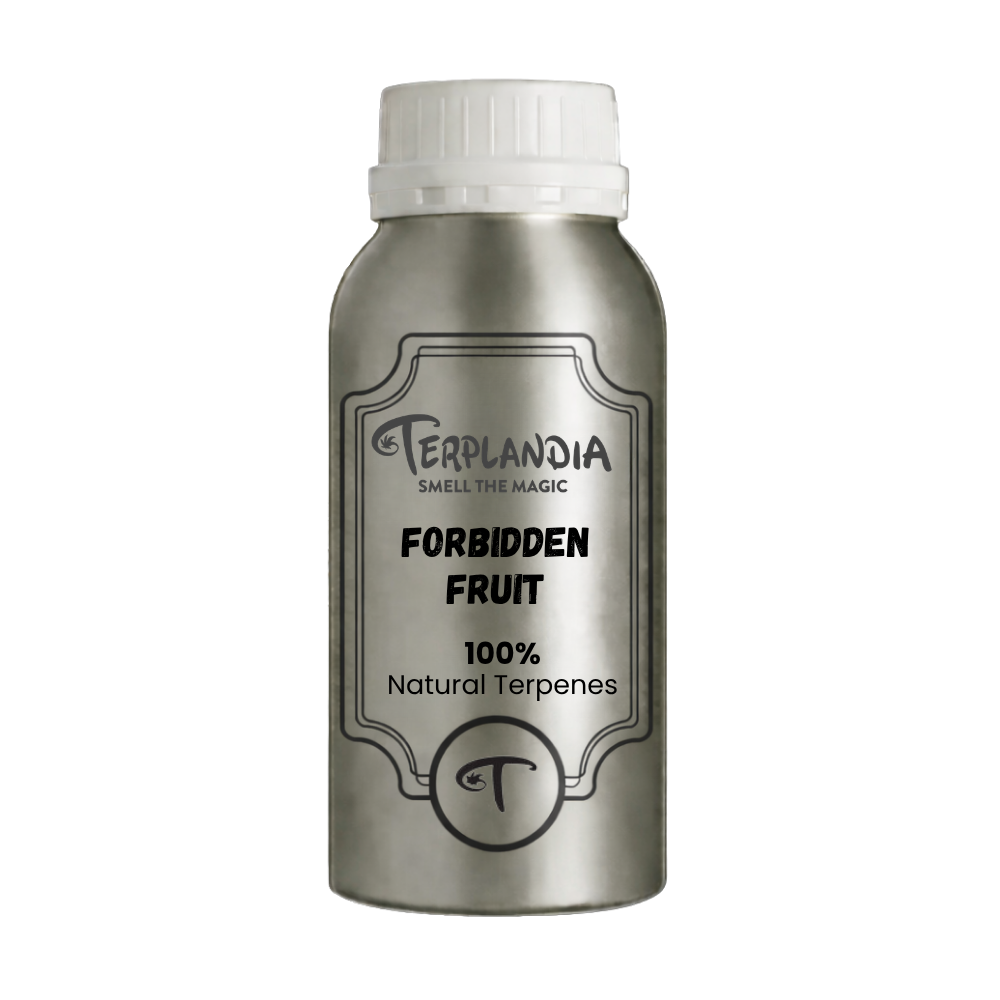
Forbidden Fruit Terpenes
Fruit-forward profile for checking how layered aromas carry in production.
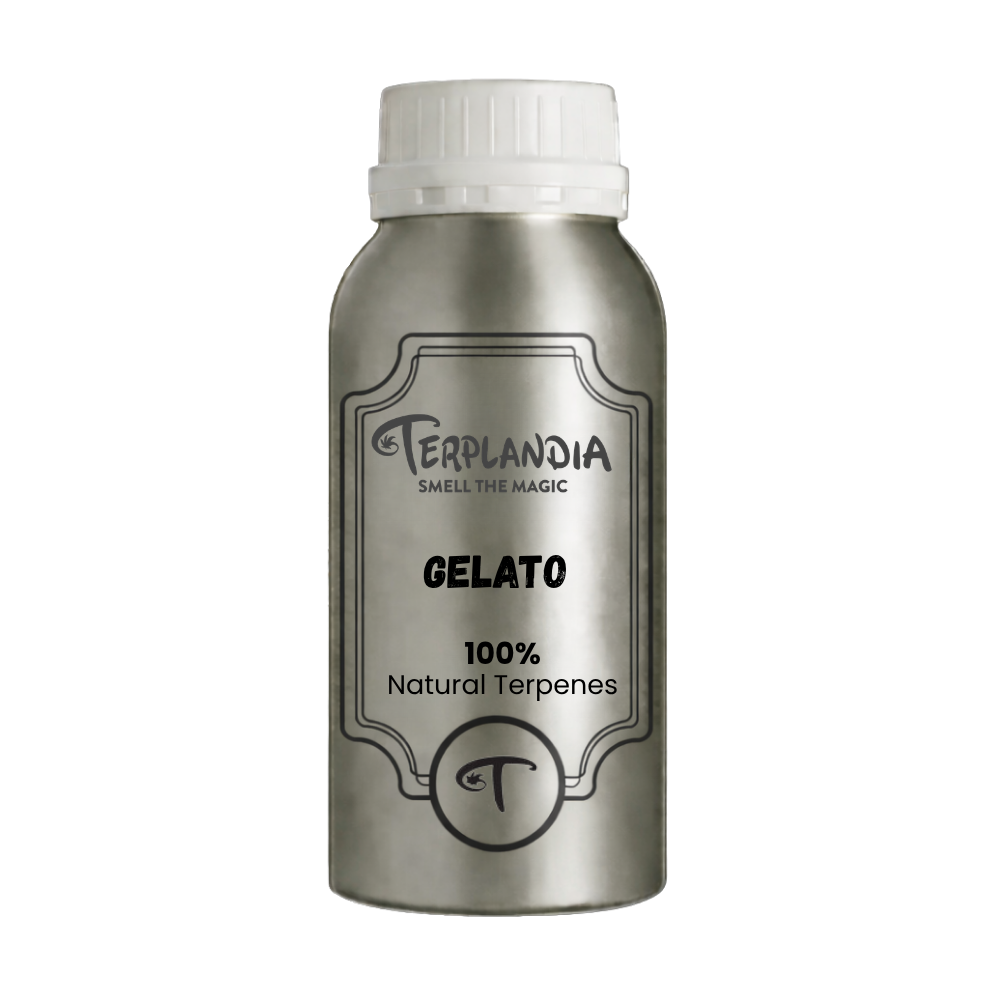
Gelato Terpenes
Creamy dessert profile for buyer teams comparing smoothness and source alignment.
FAQ
Is the entourage effect proven?
The science is still developing and mixed. Brands should be careful, specific, and avoid unsupported health or intoxication claims.
Can I still talk about terpenes?
Yes. Talk about aroma, source, consistency, format behavior, and repeatability.
Should my blog or product page mention research?
It can, but the copy should not convert research context into a guaranteed consumer outcome.