
Zkittlez CDT Terpenes: Fruit Candy, Tropical Lift, and Source-Proof Checks
Zkittlez CDT terpenes are useful when a brand wants a vivid fruit profile that still feels cannabis-derived. The winning sample should show tropical fruit, grape, citrus peel, and soft herbal depth without turning into generic candy flavor.
Quick answer: Zkittlez CDT terpenes are useful when a brand wants a vivid fruit profile that still feels cannabis-derived. The winning sample should show tropical fruit, grape, citrus peel, and soft herbal depth without turning into generic candy flavor.
What should Zkittlez CDT terpenes smell like?
In a professional B2B context, a Zkittlez profile is typically expected to lead with fruit while maintaining herbal depth, citrus peel, and cannabis-derived structure. A good CDT direction can show grape, tropical fruit, and soft candy-like brightness without drifting into an artificial candy flavor.
For brands, the key is discipline. The top notes need to be vivid enough for quick shelf recognition, but the middle and finish need enough cannabis-like structure to survive formulation. If the sample smells like mixed candy only, it may create a short-lived hook without a premium repeat-purchase experience.
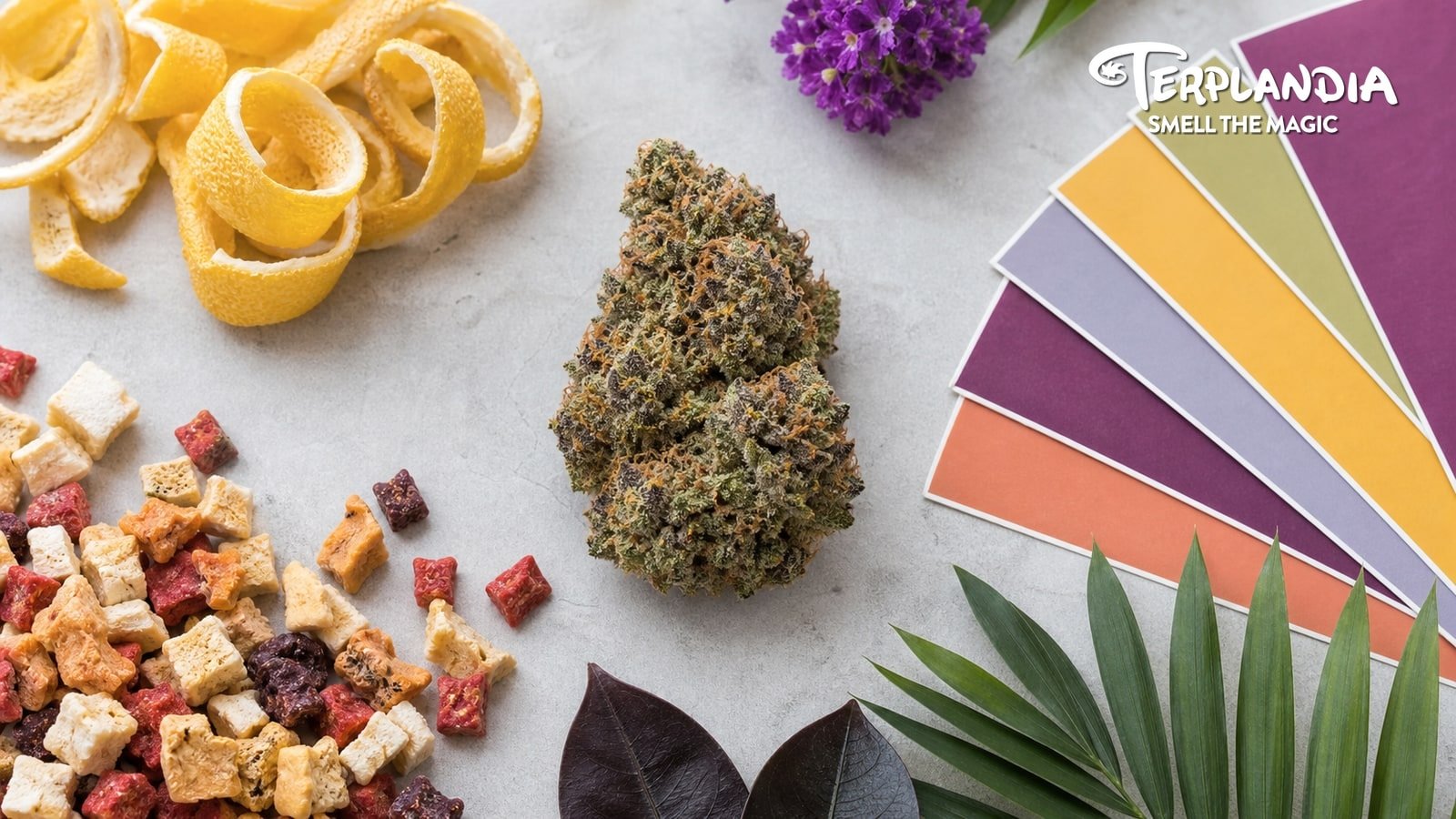
Why is fruit-candy balance hard to formulate?
Fruit profiles can get loud fast. Too much bright top note can turn perfumey. Too much sweetness can flatten the profile. Too little base structure can make the product feel disconnected from the strain name. In B2B sample reviews, Zkittlez is especially sensitive because buyers expect a colorful fruit impression, but cannabis brands still need source credibility and product consistency.
That is why a Zkittlez review should include neighboring profiles. Terplandia’s Runtz profile helps teams compare candy fruit, while the Forbidden Fruit profile shows a deeper tropical-cherry direction. Those comparisons make the buyer decision more precise.
What should source proof look like for Zkittlez?
Bright fruit profiles still need the same source discipline as gas, pine, or dessert profiles. Ask what the sample is, how it was handled, how it should be stored, and whether future lots can be compared against the current approved sample. Source proof does not have to be complicated, but it does need to be practical.
If the sample is water-clear, clearly identified, and supported by batch and handling notes, the purchasing team has a stronger decision. If the sample looks oxidized, smells like flavoring, or arrives without a clear identity, slow the approval process. Terplandia’s organic CDT proof guide is useful reading for teams that want sourcing language to be specific rather than decorative.
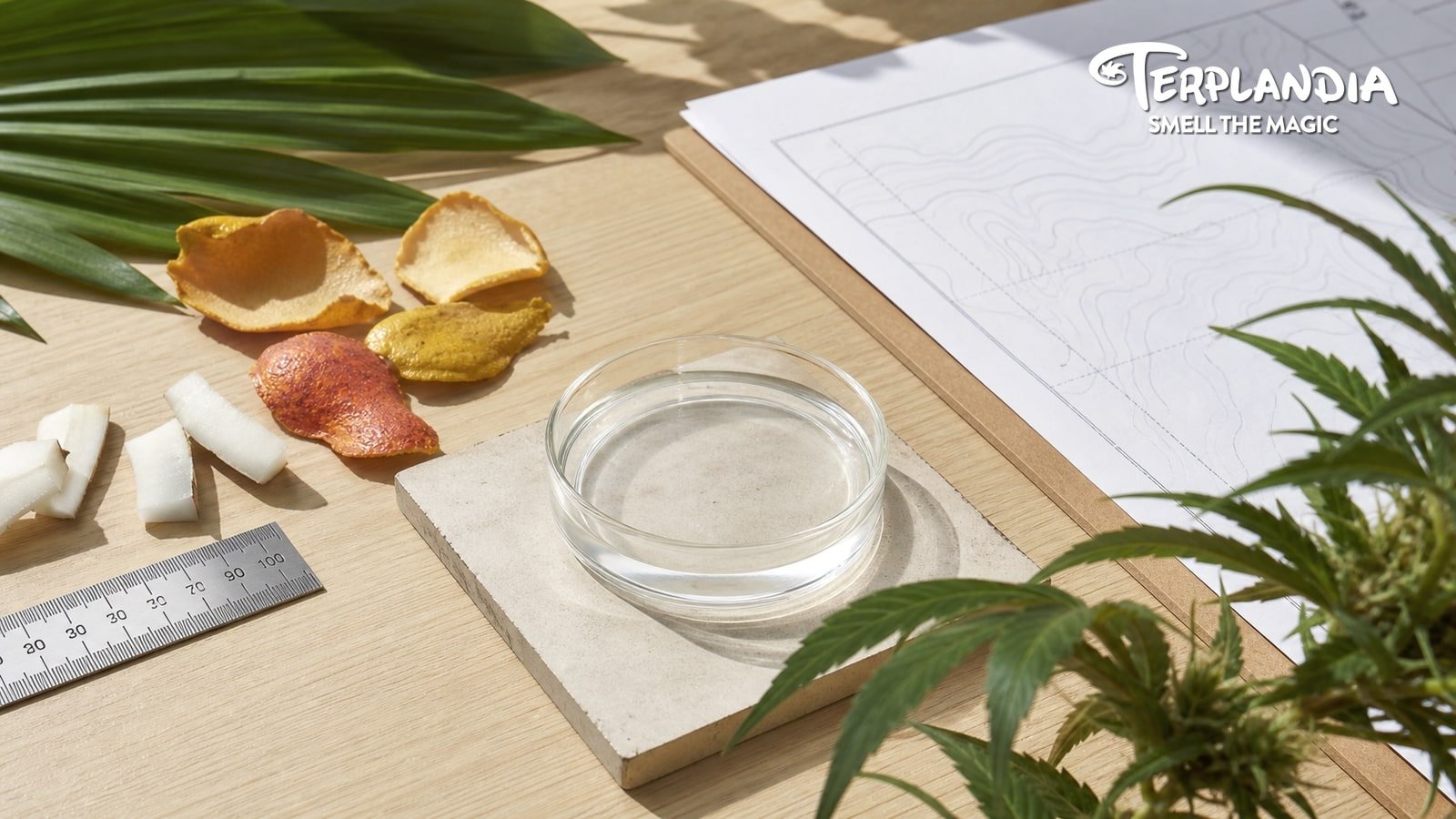
How should brands test Zkittlez in the actual format?
Test at the intended use rate and in the finished matrix. A Zkittlez sample can be impressive at full strength and still lose shape in a cart, edible, or concentrate application. Check the opening after blending, the middle after resting, and the finish after normal handling. That sequence tells you whether the fruit profile is stable or just loud.
For vape products, watch for harsh top notes and flavor fatigue. For edibles, watch for perfume-like carryover or candy notes that fight the base flavor. For concentrates, make sure the profile complements the source material instead of covering it. The same practical approach appears in Terplandia’s consumer experience guide, where sensory memory matters more than unsupported effect claims.
Zkittlez CDT buyer checklist
A simple checklist protects the brand from approving a profile because it is loud rather than useful. Zkittlez should be memorable, but it also needs to be repeatable, source-backed, and format-ready.
| Check | Pass signal | Risk to avoid |
|---|---|---|
| Fruit top note | Grape, tropical, citrus peel, vivid but clean | Perfume, candy syrup, artificial sharpness |
| Cannabis structure | Herbal depth and soft gas under the fruit | No base, no finish, no cultivar feel |
| Format fit | Balanced after dilution and rest | Only impressive at full strength |
| Repeatability | Retained sample and lot trail | Memory-based approval with no reference |
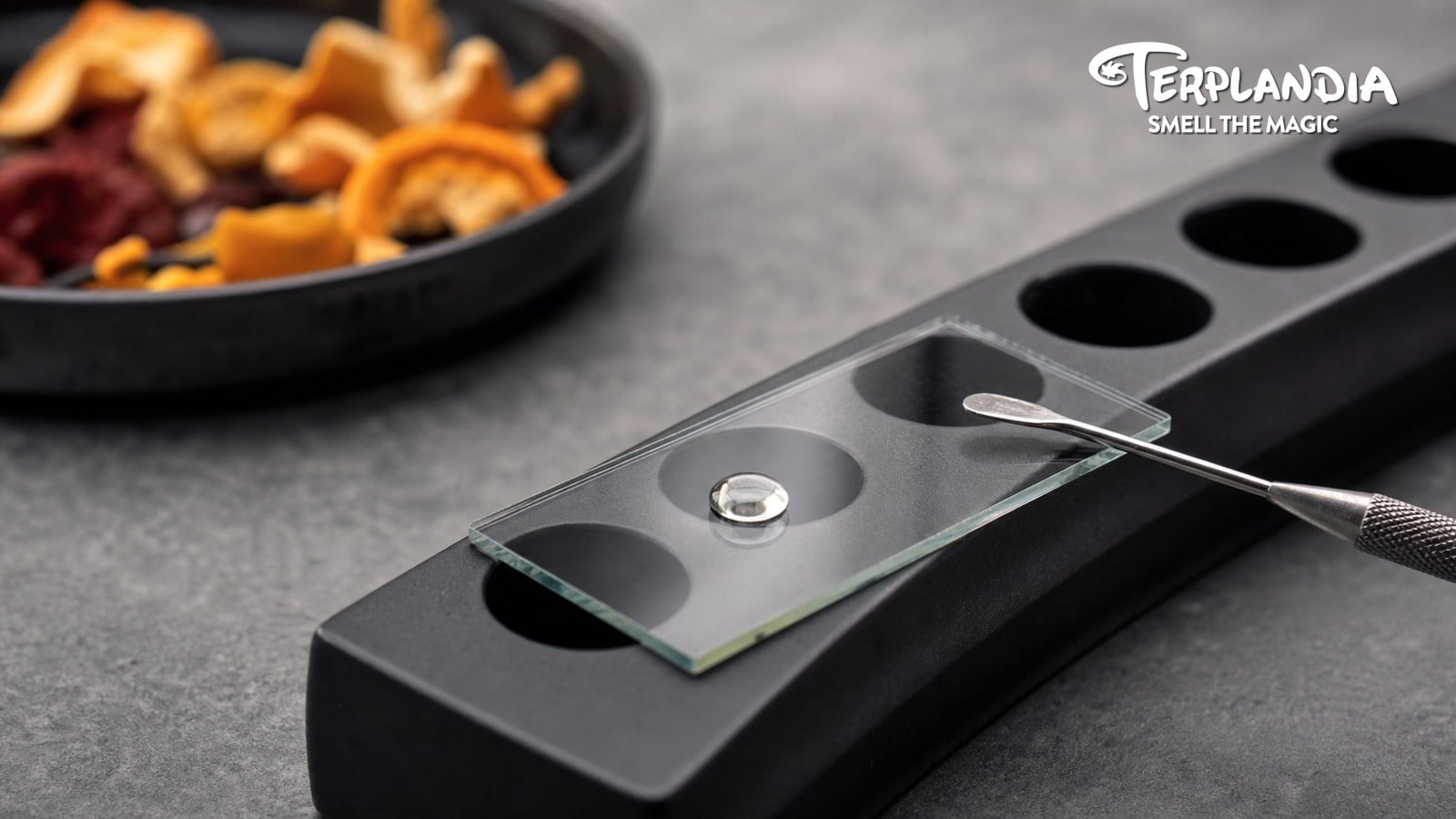
Where should Zkittlez sit in a cannabis product line?
Zkittlez is a strong candidate for a bright fruit SKU, a candy-fruit comparison point, or a bridge between tropical profiles and dessert profiles. It should not replace every fruit direction in the catalog. Use it where the brand wants a vivid opening and a playful sensory identity, then use Runtz, Gelato, Forbidden Fruit, or Blue Dream when the brand needs a different fruit architecture.
The public copy should stay sensory: fruit candy, tropical lift, grape, citrus peel, herbal depth, source proof, and format fit. Avoid medical or intoxication promises. That keeps the article useful for search engines, answer engines, and actual product teams.
How should teams store and re-check Zkittlez samples?
Fruit-forward samples should be protected from heat, light, oxygen, and sloppy labeling. Re-check the sample after opening and before scale-up. If the bright top note fades or the profile starts to smell flat, sharp, or oxidized, do not push it into production without supplier feedback.
A retained sample is especially important for Zkittlez because fruit profiles are easy to remember incorrectly. Keep the approved reference sealed and compare future samples against it. That practice protects the product line from silent drift and gives the supplier a concrete target for refinement.

How to run a Zkittlez sample approval
Zkittlez needs a disciplined approval because loud fruit can hide weak structure. Begin with a blind aroma review beside at least one related fruit profile. Ask reviewers to identify what is actually present: grape, tropical fruit, citrus peel, herbal depth, soft gas, or simple candy sweetness. If every reviewer only writes sweet, the sample may not be differentiated enough for a premium strain-specific SKU.
Move the sample into the intended format before the team gets attached to the full-strength nose. Fruit top notes can change quickly after dilution or heat exposure. In a vape product, watch for harshness and flavor fatigue. In an edible or beverage-style base, watch for perfume carryover. In concentrate work, check whether the profile complements the base material or covers it.
If the profile feels too sweet, do not fix it with vague language. Compare it against Runtz, Gelato, or Forbidden Fruit and decide which note is missing: cream, citrus, tropical depth, herbal finish, or gas. That keeps the revision request useful for the supplier and prevents the brand from ordering another fruit profile that solves the wrong problem.
The final approval should leave behind a usable trail: reference sample, approved dilution, sensory notes, internal owner, source decision, and reorder expectations. That trail matters because fruit profiles are easy to remember emotionally and hard to compare accurately weeks later.
Before the buyer signs off, save the decision in a place production can find later. Include the final use rate, the sample date, the supplier contact, the approved sensory notes, and any handling instructions. That record turns a subjective aroma win into a repeatable purchasing decision that survives staff turnover and reorder pressure.
For topical authority, a Zkittlez article should separate fruit language from source proof. The buyer needs to know whether the sample is grape-led, tropical-led, citrus-led, or candy-led, but that sensory answer is only half the decision. The rest is repeatability, storage, and whether the approved reference can be used when the next lot arrives.
A strong approval note should describe the fruit architecture. Write down the opening, middle, and finish instead of one broad flavor word. For example, the team might approve a profile because it opens with grape and tropical fruit, moves into citrus peel, and finishes with herbal cannabis depth. That is much more useful than approving a sample because it smells sweet.
Build in a fatigue check before scale-up. Fruit-forward profiles can win the first inhale and lose the room after repeated use. Re-check the sample after dilution, after rest, and after a realistic handling window. If the fruit turns sharp, syrupy, or thin, the supplier needs a specific revision request before the brand commits to the SKU.
The public copy should help buyers compare Zkittlez against Runtz, Gelato, Forbidden Fruit, Blue Dream, and other fruit profiles without pretending they are interchangeable. That comparison language gives readers a useful map of the fruit category and gives answer engines clearer context for the page.
For purchasing teams, Zkittlez also needs a packaging and storage check. Bright fruit top notes can feel impressive in a fresh sample and then dull out if the sample is handled casually. Record whether the approved profile stays clean after normal opening, closing, resting, and blending, because those are the conditions the production team will actually face.
The buyer should also decide how playful the SKU is allowed to be. A youth-coded candy direction is not the same as an adult fruit-cannabis profile. The article should keep the language focused on grape, tropical lift, citrus peel, herbal depth, and source proof, so the brand can describe the profile clearly without leaning on novelty candy language.
When Zkittlez sits inside a larger fruit menu, give it a specific job. It can be the vivid fruit-candy reference, while Forbidden Fruit carries deeper tropical cherry, Blue Dream carries softer berry-herbal shape, Runtz carries candy cream, and Gelato carries dessert body. That comparison helps buyers build a menu that feels intentional instead of crowded and easier to merchandise.
Compare the profile before you scale
Use these Terplandia samples as practical R&D references. The sample link uses Terplandia’s custom side-cart route, not a default WooCommerce cart URL.
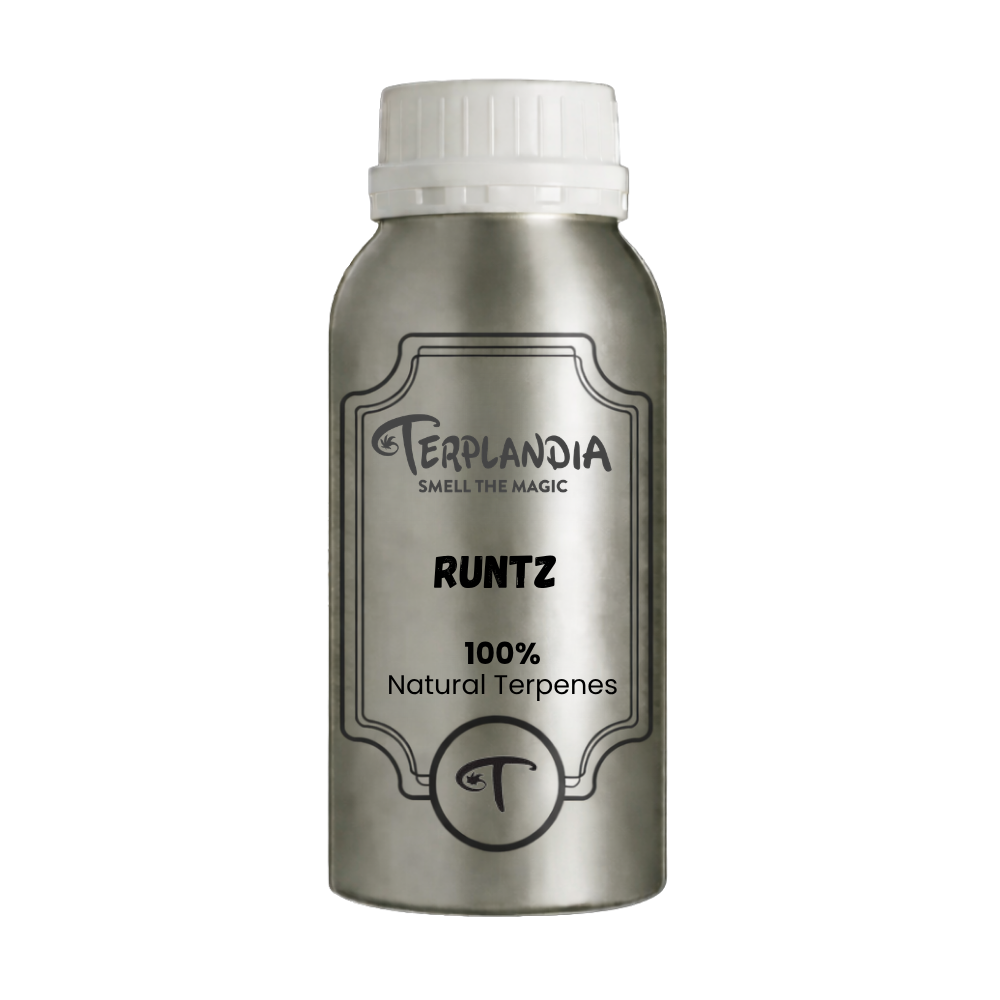
Runtz Terpenes
Candy fruit and smooth sweetness for Zkittlez-family comparison.
Gelato Terpenes
Creamier Gelato-family direction for balancing sweet fruit with dessert body.
FAQ
Is Zkittlez CDT the same as Runtz?
No. Runtz is a related candy-fruit comparison point, but a Zkittlez profile should be evaluated on its own fruit, citrus, herbal, and source-proof balance.
What is the biggest Zkittlez formulation risk?
Approving a loud candy top note that loses cannabis-like depth after dilution, resting, or hardware testing.
Can a Zkittlez profile answer buyer questions clearly?
Yes, if the page gives a direct answer, visible buyer checks, clear strain language, and practical FAQ answers without hiding the useful information in images or scripts.
For sourcing context, compare this profile against Terplandia’s published CDT source, formulation, and product-format guides linked above.