
Terpenes for Cannabis Beverages: Flavor Clarity, Format Fit, and Buyer QA
A practical guide to choosing terpenes for cannabis beverages with clarity checks, flavor architecture, co-packer handoff, and claim-safe B2B QA.
What should brands know about terpenes for cannabis beverages?
Terpenes for cannabis beverages should be selected around the finished beverage matrix, not just the aroma in a supplier sample. A beverage team has to evaluate flavor clarity, aroma opening, sweetness and acidity balance, dispersion or ingredient-system behavior, packaging hold, and claim-safe language before buying volume.
That makes beverage terpene work different from a simple flavor pick. The product may be still or sparkling, sweet or dry, citrus-led or herbal, low pH or neutral, chilled or shelf-stable, and produced by an internal team or co-packer. Each variable can change how a terpene profile reads. A profile that smells bright in the bottle can become sharp, soapy, flat, or hidden once it meets carbonation, sweetener, acid, packaging, and time.
The practical Terplandia approach is to build the brief around the beverage first. Name the flavor lane, source expectation, base, process, clarity target, and public language. Then compare a tight sample set in the real matrix before scaling. If the team needs broader source context first, Terplandia’s cannabis-derived terpenes supply chain guide explains why source and handling matter before a beverage profile reaches the bench.
Why do beverages need a different terpene brief?
Beverages expose balance issues quickly. Citrus can brighten a formula or make the finish feel sharp. Tropical notes can create lift or feel candy-like if they do not have enough structure. Herbal notes can add adult complexity or become harsh if the base is too delicate. Dessert-style notes can be memorable, but they may fight acidity, carbonation, or a clean finish.
A good beverage brief names the complete sensory architecture: opening aroma, mid-palate body, finish, aftertaste risk, sweetness, acidity, carbonation, and target use occasion. That does not mean the article should promise functional outcomes. The safe B2B language is about flavor expectation, product fit, and repeatable experience.
This is also why beverage teams should not automatically borrow a profile from a vape or strain article. A Lemon Cherry Gelato direction may inspire citrus, cherry, and cream language, but the beverage team still has to test whether those notes fit the drink’s acidity and finish. A Super Lemon Haze direction may provide citrus-herbal lift, but it still needs matrix testing.
How should a beverage team test flavor clarity?
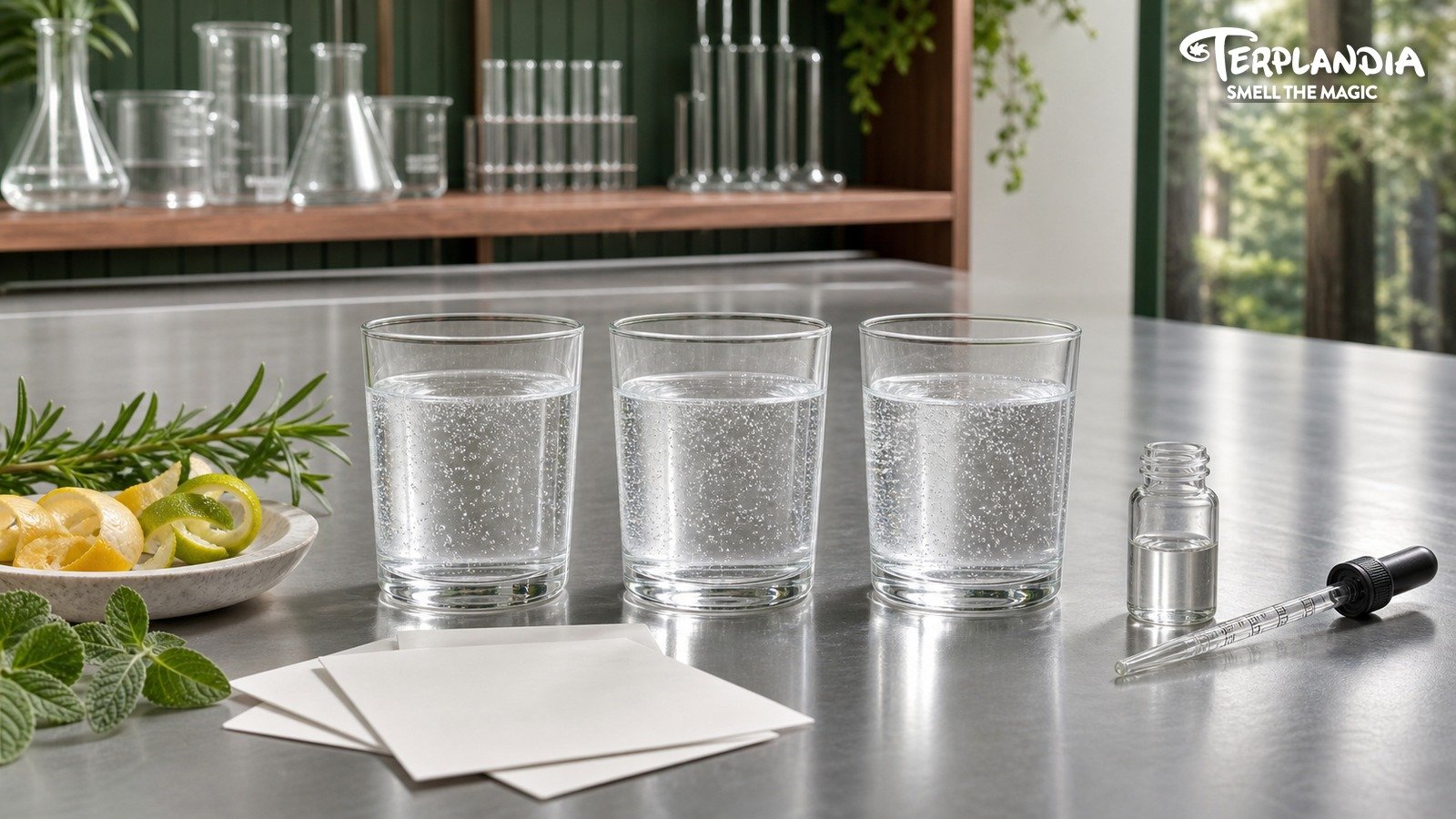
Start with small, controlled sample lanes in the actual base or the closest practical pilot matrix. Keep one control with no terpene profile, then compare two or three terpene lanes that answer the brief. Document the base, sweetener, acid, carbonation, temperature, ingredient system, review time, and panel notes.
Flavor clarity means the team can identify the intended direction without confusion. If the brief asks for citrus-herbal lift, the panel should not describe the sample as generic candy or chemical sharpness. If the brief asks for tropical freshness, the finish should not turn heavy or perfumey. If the brief asks for dry botanical complexity, the sample should not read like a sweet soda flavor.
The panel should also check aroma opening and finish separately. Some profiles open well but leave an aftertaste the brand cannot defend. Others are quiet at first and become more coherent after a short rest or temperature change. Beverage teams need that timing record because the customer experience may happen chilled, poured over ice, sipped slowly, or stored before opening.
What about clarity, dispersion, and co-packer handoff?
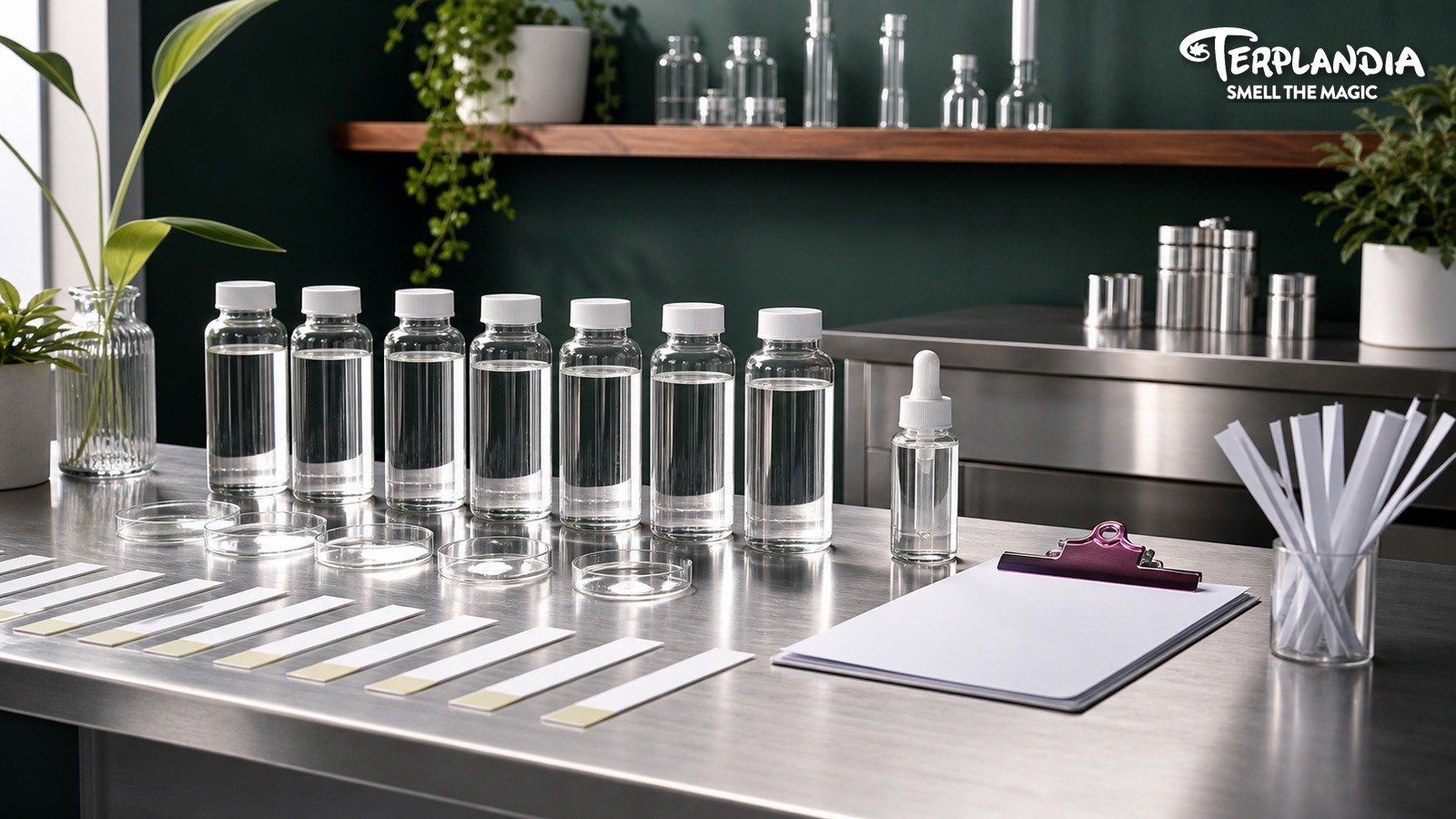
Beverage terpene work often involves more than the terpene profile itself. Depending on the product, a brand may need an ingredient system, process recommendation, or co-packer validation to keep the finished product clear and consistent. Terplandia should not invent solubility or stability claims for a specific beverage without testing. The safer path is to document the matrix, process, and supplier guidance before approval.
Ask practical questions early. Will the profile be added through an emulsion, flavor system, or other carrier? Does the co-packer need a specific handling note? What is the hold time before review? Are the samples checked chilled and at room temperature? Does the profile create haze, ring, separation, muted aroma, or a finish the team cannot sell? These are formulation questions, not generic SEO talking points.
A good co-packer handoff is short but complete: target profile, source expectation, sample reference, ingredient system, process point, review timing, packaging, and claim-safe flavor language. That handoff protects the formula when the work moves from the sample bench to production.
| Beverage check | What to measure | Why it matters |
|---|---|---|
| Matrix fit | Base, sweetener, acid, carbonation, and serving temperature | Shows whether the terpene profile works in the drink, not only in the vial. |
| Clarity | Haze, ring, separation, muted aroma, or clean appearance | Protects product presentation and co-packer expectations. |
| Flavor architecture | Opening, body, finish, aftertaste, and balance | Keeps citrus, tropical, herbal, or fruit lanes from becoming generic. |
| Hold time | Chilled and room-temperature review after realistic storage | Reveals fading, sharpness, or finish problems before launch. |
| Claims language | Source, flavor, and expectation wording | Keeps public copy useful without unsupported effect claims. |
Which flavor lanes work well for cannabis beverage briefs?
There is no universal best terpene profile for cannabis beverages. The right lane depends on the base and brand promise. Citrus profiles can support bright sparkling formats when the finish is controlled. Tropical profiles can make a beverage feel modern and fresh, especially when the sweetness is balanced. Herbal and pine-adjacent profiles can add adult complexity, but they need restraint. Berry or fruit profiles can be accessible, but they should not collapse into generic candy.
A buyer can build a more useful sample set by assigning each lane a job. One sample can test citrus clarity, one can test tropical lift, one can test herbal structure, and one can test fruit balance. That structure is better than asking for a random list of popular strain names. It helps R&D and marketing understand why each profile is in the room.
Use internal links as calibration, not as shortcuts. Terplandia’s limonene terpene article can help frame citrus language, while the Blue Dream CDT profile and Forbidden Fruit strain profile can help compare berry-herbal and tropical directions. The beverage still needs its own matrix test.
How should buyers score beverage terpene samples?
A beverage scorecard should capture aroma opening, flavor fit, clarity, finish, aftertaste, sweetness interaction, acidity interaction, carbonation behavior if relevant, hold-time behavior, and claim-safe language. Keep the scoring simple enough to use during a real tasting. The notes matter as much as the number because they explain why a sample fits or fails.
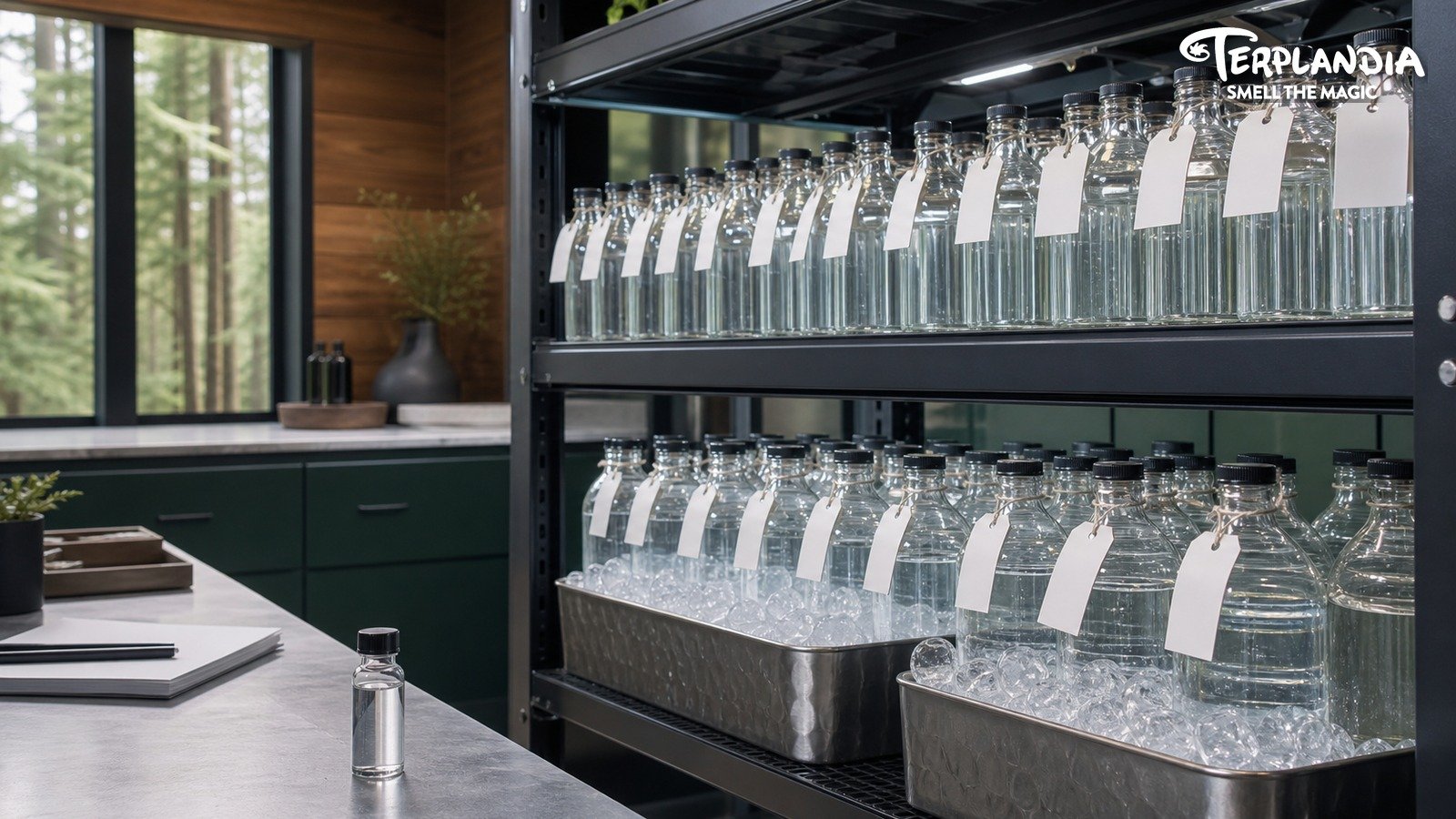
Review chilled and under the conditions the product will actually face. If the beverage is sold cold, taste it cold. If it may sit in distribution, include a hold-time check. If the product is sparkling, compare the profile after carbonation settles and while the aroma is still active. If the product is packaged in a can or bottle, run at least one packaging-adjacent review before volume approval.
The goal is not perfection in a spreadsheet. The goal is to make sure the team can explain why the chosen profile is right for the beverage and what needs to be controlled in production.
How can a beverage brand keep the public copy claim-safe?
Beverage terpene copy should describe flavor, aroma, source, and product expectation. Words like crisp citrus, tropical finish, herbal lift, berry balance, clean finish, and cannabis-derived source can be useful when they match the product. Avoid medical, therapeutic, intoxication, or functional-effect promises unless the brand has legal support and reliable evidence for the exact claim.
This is especially important for beverages because consumer packaged goods language can drift into wellness or mood territory quickly. A terpene profile can support a flavor experience, but the public copy should not imply unsupported outcomes. The safer buyer-facing story is that the brand selected a profile for flavor clarity, format fit, and repeatability.
Before launch, compare the approved sample, panel notes, product label, website copy, and sales sheet. They should all describe the same flavor architecture. If the panel approved citrus-herbal clarity and the sales sheet says a completely different promise, the brand has created avoidable confusion.

What should the beverage sample request say?
A beverage sample request should give the supplier enough context to make the first shipment useful. Name the base, sweetness level, acidity, carbonation, serving temperature, package type, target flavor lane, and whether the team is using an internal process or a co-packer. If the brand has a clarity target, write it plainly. If the product cannot tolerate a perfumey finish, heavy sweetness, or strong herbal bitterness, include that guardrail too.
The request should also separate the sensory goal from the production question. A supplier can help the brand pick a citrus, tropical, herbal, berry, or dessert-inspired direction, but the beverage team still has to validate how that profile behaves in its ingredient system. Clear context helps Terplandia recommend a sample set that is easier to test, easier to document, and easier to explain if the product moves toward scale.
What should be approved before buying beverage terpene volume?
Volume approval should wait until the team has tested the profile in the real or pilot beverage matrix, documented clarity and finish, checked hold-time behavior, aligned with the co-packer, and written claim-safe language. That sequence protects both the formula and the launch schedule.
The buyer should also keep a retained reference. A beverage profile can drift in memory because the experience involves aroma, taste, temperature, carbonation, sweetness, and packaging. A retained reference helps the team compare future samples and reorders against the profile it actually approved.
The best beverage terpene program is not the loudest sample. It is the profile the team can formulate, explain, package, and reorder with confidence.
Test beverage-ready flavor lanes
Use a compact Terplandia sample set to compare citrus, tropical, herbal, and fruit directions in your real beverage matrix before volume approval.
Browse the Terplandia strain library for more sample directions.
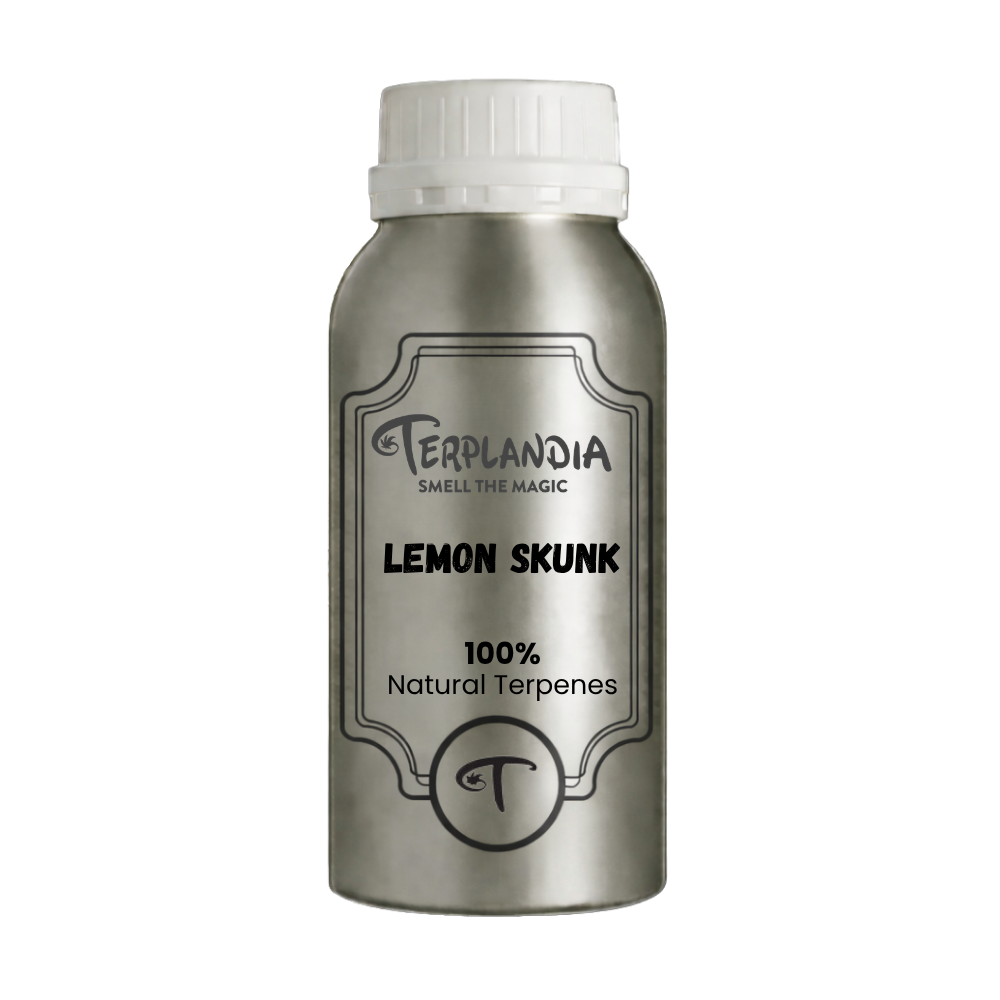
Lemon Skunk
A bright citrus-skunk reference for teams testing sharpness and finish.
Super Lemon Haze
A citrus-herbal lane for sparkling or high-lift beverage briefs.
FAQ
Can cannabis-derived terpenes be used in beverages?
They can be part of a beverage flavor system, but the brand should test the profile in the real matrix and follow supplier or co-packer guidance before scaling.
What is the biggest risk when choosing terpenes for beverages?
Approving a sample from vial aroma alone. The beverage matrix can change clarity, finish, sweetness, acidity, and aroma behavior.
Which terpene profiles are best for cannabis beverages?
There is no universal best profile. Citrus, tropical, herbal, berry, and fruit lanes can work when they fit the base and pass clarity, finish, and hold-time checks.
What should beverage terpene copy avoid?
Avoid unsupported medical, therapeutic, intoxication, or functional-effect promises. Keep the copy focused on flavor, aroma, source, and format fit.