
Industry News
Cannabis Terpene Trends 2026: What Top Brands Are Buying Now
A practical 2026 cannabis terpene trends guide for brands choosing CDT profiles, source proof, format fit, sample sets, and claim-safe flavor positioning.
What cannabis terpene trends should brands plan around in 2026?
The strongest cannabis terpene trends in 2026 are not just louder names or sweeter flavors. Brands are looking for cannabis-derived profiles that prove source, survive the finished format, and give buyers a clear reason to believe the reorder will match the approved sample. Dessert, candy, gas, tropical, citrus, and classic cultivar profiles still matter, but the winning conversation is now about source proof, format fit, buyer QA, and claim-safe sensory language.
That shift matters because it answers the real B2B question behind the trend conversation. A brand is not only asking what flavors are popular. The buyer wants to know which trend is safe to brief to R&D, which one can move through procurement, and which sample is worth testing before a cart, edible, beverage, or concentrate run. This guide turns the trend conversation into a practical supplier and formulation checklist.
Terplandia’s role in that conversation is simple: keep the profile grounded in cannabis-derived source material, protect the clear sensory reference from sample to scale, and help the brand choose a profile that fits the product instead of chasing a flavor name in isolation. If you need the source comparison first, start with Terplandia’s CDT vs BDT terpenes difference guide, then use this page to decide what buyers are asking for now.
Trend 1: Source proof is becoming the first buyer filter
A few years ago, a brand could ask for a strain name and receive a broad flavor approximation. In 2026, more cannabis brands are asking a harder question: what proves this profile is tied to cannabis source material and not just a botanical flavor blend wearing a familiar name? That does not mean every buyer needs a long lecture on chemistry. It means the supplier has to make the source story easy to understand, easy to pass to procurement, and easy to verify during reorder conversations.
Source proof also changes how brands compare quotes. A cheaper profile can look attractive until the sample does not match the second lot, the aroma collapses after mixing, or the sales team cannot explain why the finished product tastes different from the strain cue on the package. A practical buyer now looks for the sample, the batch trail, the retained reference, and the supplier’s ability to explain where the aroma comes from without making unsupported medical or intoxication claims.
This is where Terplandia’s farm-to-formula language matters. The public article on cannabis-derived terpenes supply chain explains how source, handling, and repeatability connect. For a trend buyer, that source story turns a flavor direction into a purchasing decision.
Trend 2: Dessert, candy, gas, and nostalgia are getting more disciplined
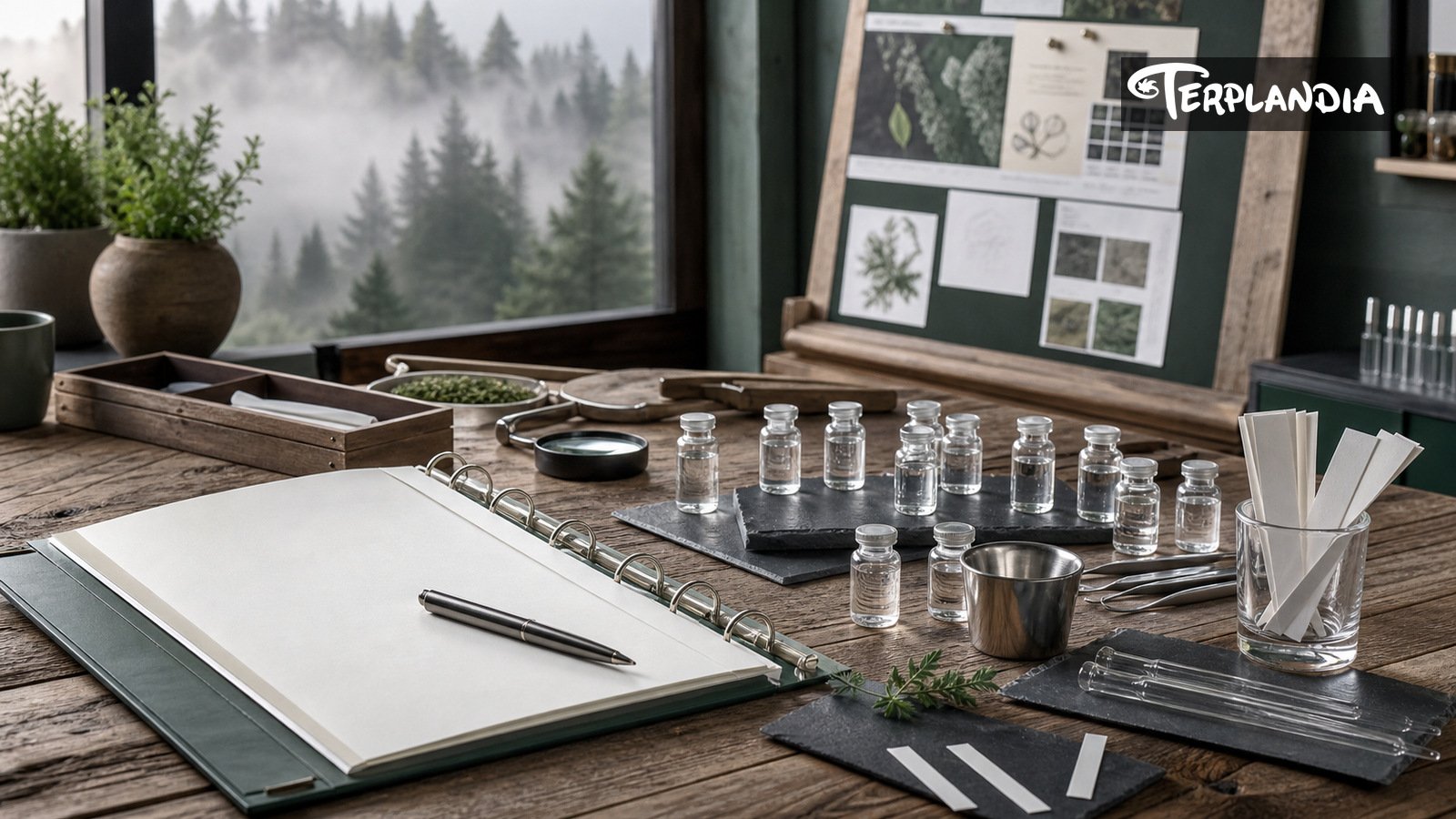
Dessert and candy profiles are not going away. Runtz, Gelato, Wedding Cake, Zkittlez, Cereal Milk, Ice Cream Cake, Lemon Cherry Gelato, and similar profiles keep showing up because they give consumers an immediate sensory promise. The mistake is treating these names like a license to dump sweetness into every format. Modern buyers want the sweetness to have structure. Cream needs depth. Candy needs an adult fruit or gas edge. Vanilla needs a source-backed profile, not a bakery fragrance that feels disconnected from cannabis.
That is why a strong dessert profile brief should name the sensory lane, the expected balance, and the finished-product risk. A Cereal Milk-style brief might ask for creamy sweetness, berry lift, and cereal nostalgia while protecting a cannabis-derived backbone. An Ice Cream Cake-style brief might focus on vanilla cream, dough, soft earth, and enough spice or gas to keep the profile from becoming flat. A Runtz-style brief might want loud candy fruit, but still needs buyer checks so the sample does not become a cartoon flavor.
Internal cluster links help the buyer move between those choices. Compare the modern dessert lane with Gelato 41, Wedding Cake CDT, and Zkittlez CDT terpenes when building a short sample set.
Trend 3: Format fit matters more than flavor hype
A terpene profile is not finished when the dry aroma smells good. A profile has to behave in the product format that will carry it. Vape carts can magnify sharp top notes and expose harsh edges. Edible and beverage-style products can mute delicate top notes or make sweetness feel artificial if the profile is not balanced. Concentrates and infused pre-roll concepts can punish profiles that feel loud in the jar but thin after handling. The 2026 buyer is increasingly asking how the profile moves from sample to format before buying volume.
That is why a supplier conversation should include the intended base, target use range, heat exposure, packaging, storage, and approval path. Terplandia’s distillate dosing guide and vape cart profile guide are useful companion reads because they turn a flavor trend into a production workflow.
The most practical brands test the profile in a small version of the real format. They do not approve a dessert CDT only from the bottle aroma, then discover later that the cream fades, the citrus dominates, or the base makes the profile feel syrupy. Format-fit testing protects margin because it catches those issues before production has already committed to labels, packaging copy, and launch timing.
What should a 2026 terpene trend scorecard include?
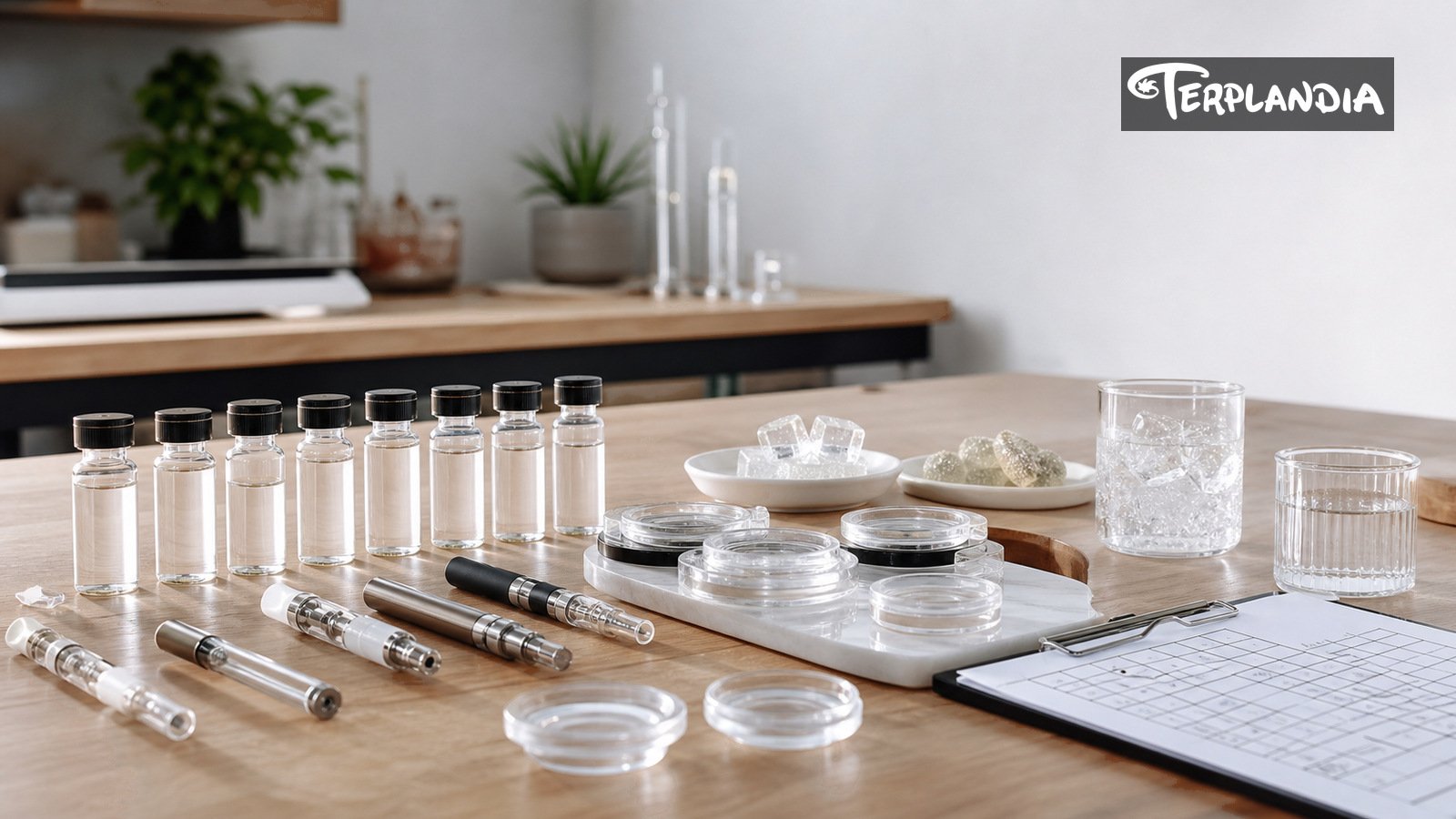
A clean trend scorecard should keep the romance of the aroma while still giving operations a way to say yes or no. The point is not to turn every sample review into paperwork. The point is to prevent the brand from choosing the loudest first impression and missing the details that decide whether the product is repeatable.
Use a simple buyer scorecard: source proof, first-nose accuracy, mid-palate body, finish, format fit, use-rate comfort, reorder repeatability, and claim-safe language. A profile that wins only on first impression may be risky. A profile that has a slightly quieter opening but keeps its shape in the finished format may be the better commercial choice.
The explicit buyer answer is that trends should be evaluated by source, format, and repeatability, not just by name. Put that answer in the scorecard itself. If the team can point to the source trail, the format test, the retained reference, and the launch language, the trend has a stronger chance of becoming a reliable product instead of a one-time sample-room favorite.
| Trend signal | What it means for a brand | Buyer check |
|---|---|---|
| Source proof | CDT buyers want a defensible origin story, not only a familiar strain name. | Ask how source, sample, and reorder references are tracked. |
| Dessert discipline | Cream, candy, fruit, and gas profiles are popular, but sweetness needs structure. | Compare first nose, body, finish, and format behavior. |
| Format fit | The winning sample must work in the product format, not just in the bottle. | Test in the intended base before approving volume. |
| Claim-safe sensory copy | Brands need useful language without medical or intoxication promises. | Use aroma, formulation, and expectation language. |
Trend 4: Documentation is becoming part of sales enablement
The buyer is not the only person who has to understand the sample. R&D, procurement, production, quality, sales, and sometimes a distributor or retail education team will all handle parts of the story. If the terpene supplier cannot explain the profile in plain B2B language, the brand has to rebuild that explanation internally. That slows down approval and increases the chance of inconsistent claims.
Documentation does not need to be bloated. A good handoff can include the profile name, source positioning, sensory map, intended formats, starting use-rate notes, storage reminders, sample date, retained sample reference, and claim-safe language. Keep medical, therapeutic, or intoxication promises out of the copy unless the brand has legal support and reliable evidence for the exact claim. Most terpene content should stay in the aroma, formulation, and buyer-experience lane.
For related claim discipline, Terplandia’s guide to how terpenes shape cannabis consumer experience is a safer companion than effect-heavy strain copy. It keeps the focus on sensory consistency, memory, and product expectation rather than unsupported outcomes.
How should buyers compare samples without slowing launch?
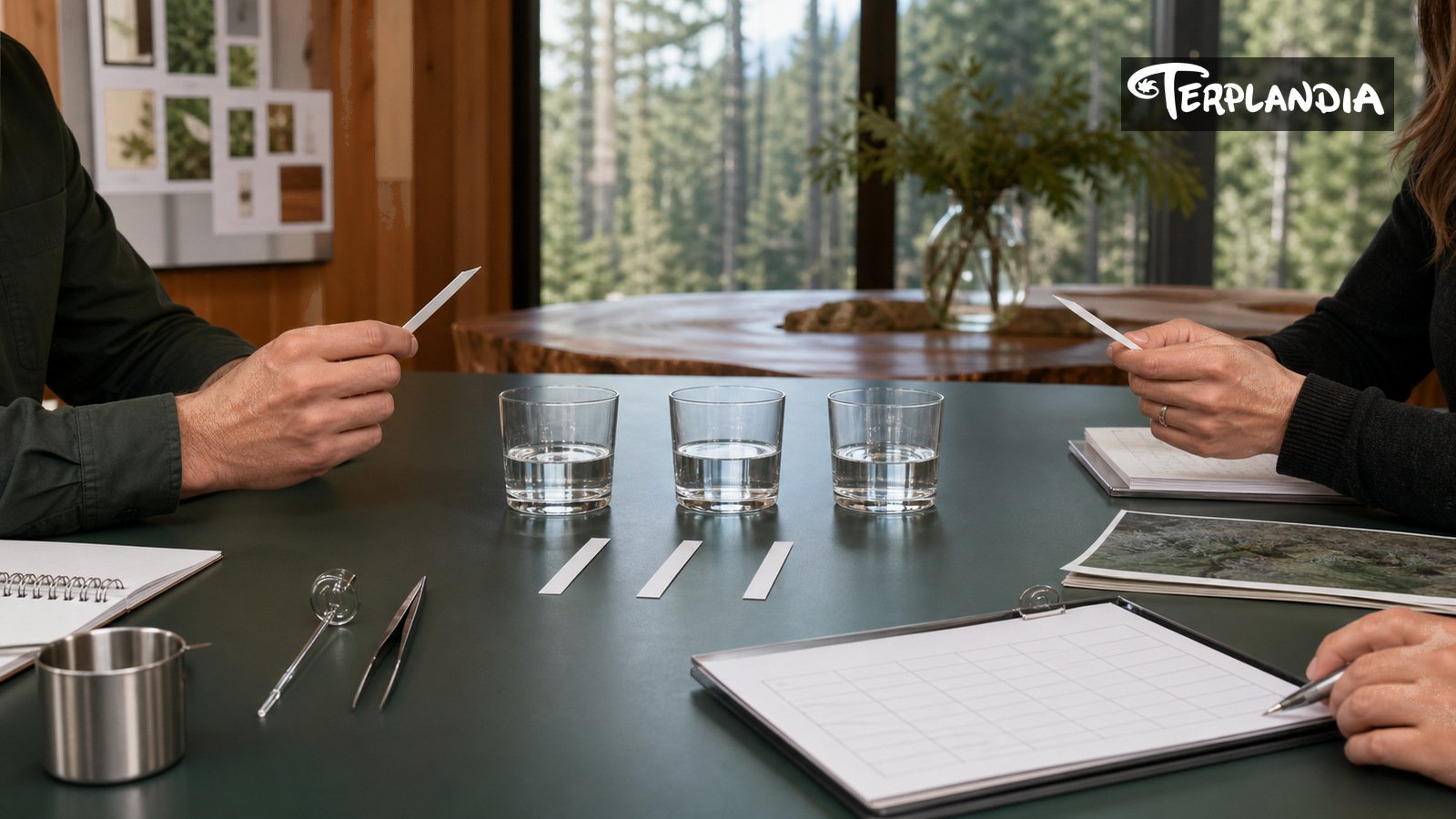
A trend sample review should be fast, but it should not be casual. The best process is a short lane comparison: one familiar anchor, one trend-forward option, and one sharper alternative that tests whether the brand really wants sweetness, gas, fruit, citrus, or classic cultivar depth. That structure keeps the team from approving a profile only because it was the first exciting bottle on the table.
Procurement should also separate sample approval from volume approval. A small sample can win the sensory review, but volume approval should wait until the team confirms format behavior, use-rate comfort, storage expectations, and the supplier’s reorder discipline. That distinction protects launch timing because the team is not trying to solve every production question after labels and product copy are already locked.
For multi-SKU launches, compare the profiles as a set. A line with Gelato, Runtz, Blue Dream, and Train Wreck-style references should not accidentally create four versions of the same sweet top note. The buyer should map each profile to a distinct role: one creamy dessert, one candy-fruit, one classic berry-herbal, and one sharper gas or pine lane. That makes the trend list more useful for brand architecture, not just short-term hype.
The last check is who owns the final approval. A trend-led launch can involve founders, marketing, R&D, procurement, and production, and each team may judge the sample differently. Assign one approval owner, keep one retained reference, and write down the reason the profile won. That small discipline prevents a late-stage flavor debate from turning into a missed launch window.
How should a brand brief a terpene supplier this year?
Brief the supplier with the product, not just the strain name. Start with the finished format, the target consumer promise, the sensory guardrails, the source expectations, and the launch risk. Then ask for samples that let the team compare two or three lanes instead of debating one bottle in isolation.
A strong brief might say: we are building a premium vape cart for adult consumers who like dessert profiles, but we need cannabis-derived source proof, water-clear handling, no bakery-candy drift, and enough structure to hold through our base and hardware. That is a very different request from asking for a generic cake terpene. It gives the supplier room to recommend Gelato, Lemon Cherry Gelato, Lemon Diesel Cake, Papaya Cake, or another fit based on the product, not the trend list alone.
The best 2026 trend is the one your team can approve, explain, and reorder. Keep the final choice practical. If the sample smells exciting but the supplier cannot document it, cannot help with format-fit questions, or cannot support a retained reference, keep looking.
Build a 2026 sample set
Use the trend article as a briefing tool, then compare a few proven Terplandia directions side by side before locking a formula.
Browse the Terplandia strain library for more sample directions.
Blue Dream
A useful benchmark for berry-herbal balance and repeatable daytime-style flavor positioning.
Runtz
A loud candy-fruit reference when a brand wants modern sweetness without a cartoon profile.
Train Wreck
A sharper gas, pine, and herbal reference for trend-testing bolder savory profiles.
FAQ
What terpene profiles are trending for cannabis brands in 2026?
Dessert, candy-fruit, gas, citrus, tropical, and classic cultivar profiles are all active, but buyers are putting more weight on source proof, format fit, and repeatability than on the flavor name alone.
Should a brand buy the loudest sample?
Not automatically. A loud sample is useful only if it stays balanced in the finished product and can be reordered with a consistent retained reference.
How many terpene samples should a brand compare?
For most briefs, compare two to four samples: one familiar anchor, one trend-forward option, and one or two adjacent profiles that test the limits of sweetness, gas, fruit, or format fit.
How should a trend guide help a purchasing team?
It should turn a popular flavor name into a practical decision: source proof, format fit, retained sample, launch language, and reorder confidence.