
Strain Spotlight
Ice Cream Cake Terpenes: Vanilla Cream, Dough, and Brand QA for Dessert Profiles
A practical Ice Cream Cake terpenes guide for cannabis brands comparing vanilla cream, dough, soft spice, source proof, and product-format QA.
What are Ice Cream Cake terpenes supposed to deliver?
Ice Cream Cake terpenes should deliver vanilla cream, sweet dough, soft earth or spice, and enough cannabis-derived structure to keep the dessert cue from becoming a generic bakery flavor. For a cannabis brand, the profile is useful when it gives the consumer a clear dessert expectation while giving R&D a sample that can be tested, documented, and reordered.
Public strain references commonly describe Ice Cream Cake around vanilla, butter, pepper, creamy sweetness, and sugary dough, with caryophyllene, limonene, and linalool appearing in common terpene summaries. Terplandia should use that information carefully. The safer B2B angle avoids health or effect promises and translates the strain’s sensory language into buyer checks.
The best Ice Cream Cake brief is not just “make it sweet.” It asks for vanilla cream, dough depth, a clean finish, and enough spice, citrus, herbal, or gas support to make the profile feel cannabis-derived. That balance is what separates a brand-ready dessert CDT from a flat flavor-house interpretation.
How should Ice Cream Cake smell in a CDT sample?
A good Ice Cream Cake CDT sample should open with soft vanilla and cream, then reveal dough, light sweetness, and a structured finish. Some samples may show citrus lift, mild pepper, earth, or floral depth depending on the interpretation. The buyer should not expect every sample to smell identical, but the sample should clearly live in the dessert-cake family.
The danger is overdoing the bakery cue. If the sample smells like frosting with no cannabis backbone, it may grab attention during the first smell-through but feel cheap after format testing. If it leans too earthy or peppery, the dessert promise may disappear. The best sample gives the brand enough richness to sell the concept and enough structure to keep it adult.
This is where internal comparisons help. Wedding Cake CDT can frame tangy cake and vanilla dough. Gelato 41 can frame cream and berry gas. Papaya Cake can frame tropical cream. Ice Cream Cake should borrow from that family without copying any one profile.
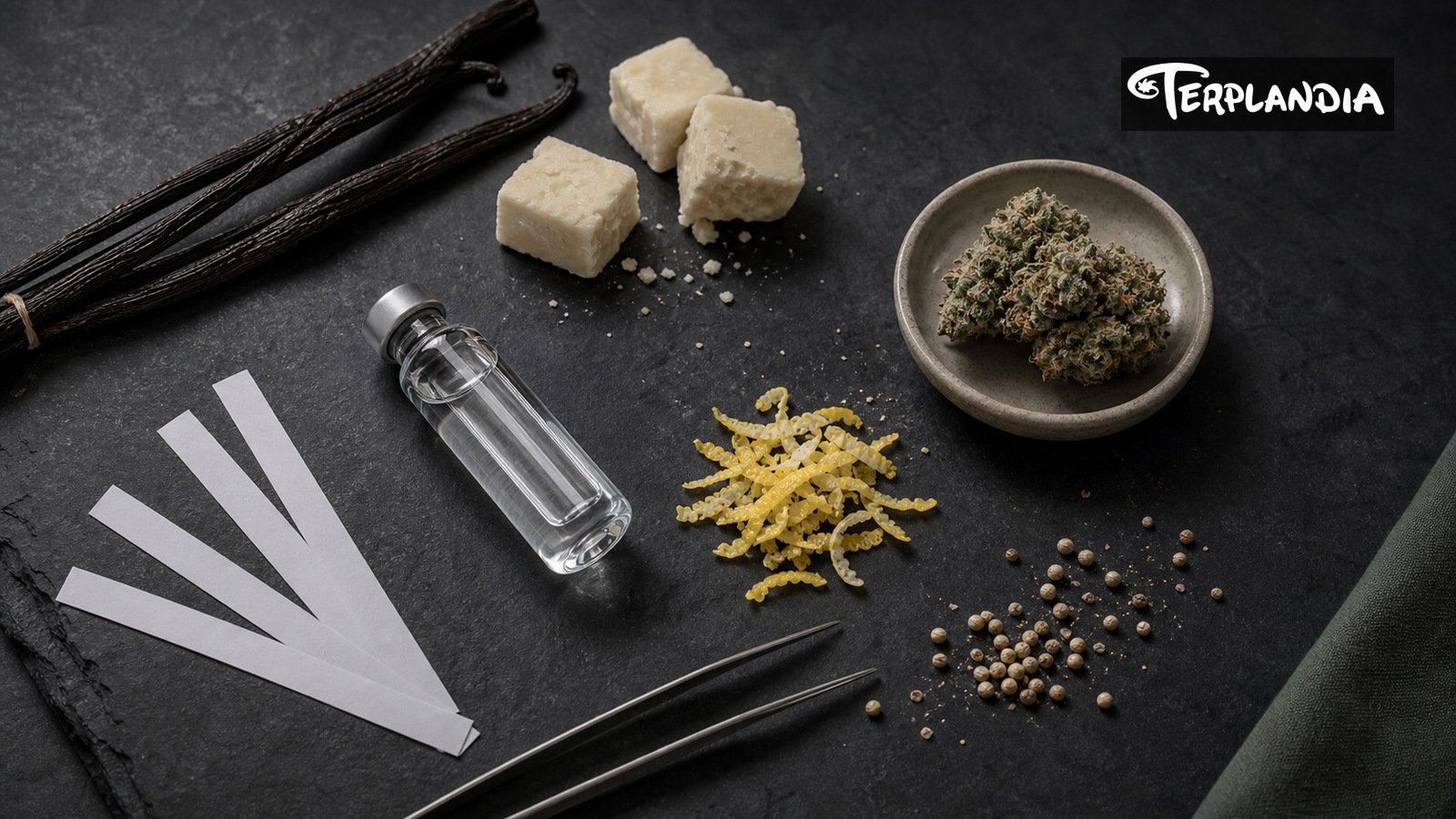
Where does Ice Cream Cake fit in a product lineup?
Ice Cream Cake fits when a brand wants a dessert profile with soft richness instead of loud candy fruit. It can work in premium carts, limited concentrate runs, and edible-style R&D where vanilla or dough supports the base. It may be less ideal when the brand needs bright citrus dominance, sharp gas, or a lean botanical profile. That is not a weakness. It simply means the buyer should use the profile where the sensory promise makes sense.
For carts, Ice Cream Cake needs a clean top note so the profile does not feel heavy at realistic use rates. For edible-style concepts, the buyer should test whether the base already brings enough sweetness. If the base is sweet, the CDT may need more citrus, spice, or gas support. For concentrates, the brand should watch whether the profile reads as nuanced dessert or just vanilla.
The most useful product lineup decision is not whether Ice Cream Cake is popular. It is whether it adds something different from Gelato, Wedding Cake, Lemon Cherry Gelato, or Papaya Cake already in the brand’s sample library. A profile that is only popular but redundant may not earn its shelf space.
What buyer checks prevent a generic dessert profile?
The first check is source language. Ask what makes the sample a cannabis-derived interpretation rather than a bakery flavor. The second check is balance. Ask whether the profile has a top, middle, and finish: vanilla cream on the opening, dough or body in the middle, and spice, citrus, herb, earth, or gas on the finish. The third check is production behavior. Ask what happens after the sample is diluted and used in the intended format.
These checks sound simple, but they prevent common mistakes. A buyer may approve a profile because it smells like dessert on the bench, then discover it becomes muted in the cart or too sweet in an edible base. Another buyer may chase spice and lose the cake promise entirely. A small scorecard keeps the team focused on the profile’s commercial role.
Source proof also matters for sales language. If a brand wants to claim cannabis-derived source, the team needs supplier documentation and a retained sample process. Terplandia’s USDA organic cannabis-derived terpenes and supply-chain articles explain why documentation and repeatability are part of the flavor story.
| Buyer checkpoint | What to look for | Why it matters |
|---|---|---|
| Vanilla cream | Creamy opening without heavy artificial dairy. | Creates the Ice Cream Cake promise. |
| Dough body | Soft pastry or cake middle without frosting overload. | Gives the profile depth and adult dessert structure. |
| Spice or citrus support | Caryophyllene-style spice, citrus lift, earth, herb, or soft gas. | Keeps the profile from becoming flat. |
| Retained sample | One approved reference stored for reorder comparison. | Protects consistency when the product moves to volume. |
How should R&D test Ice Cream Cake terpenes?
Run Ice Cream Cake through the same practical test sequence used for other dessert profiles: first nose, dilution, format trial, rest period, and retained sample comparison. The rest period matters because cream and dough impressions can change after the profile sits in a base. What smells balanced during a quick bench review may feel heavier after a short hold.
In a vape workflow, R&D should check whether the profile stays smooth without losing its vanilla top note. In an edible-style workflow, the team should check whether the CDT complements or competes with the flavor system. In a concentrate workflow, the profile should enhance the strain story without masking the natural character of the base. Each format asks a different question, so a single bottle smell is not enough.
Keep the notes plain. Instead of writing broad effect language, write “vanilla cream opening,” “doughy middle,” “soft spice finish,” “clean finish,” or “more citrus lift needed.” That language helps R&D, keeps the sensory target clear, and avoids unsupported claims.
What buyer checks matter before scaling Ice Cream Cake?
Before scaling Ice Cream Cake, the buyer should decide whether the profile is meant to be rich, bright, or balanced. Rich versions lean into vanilla cream and dough. Brighter versions need citrus lift or a cleaner top note. Balanced versions keep dessert body but rely on spice, earth, or soft gas to stop the profile from reading like frosting. That decision should happen before volume, not after the first production test disappoints the team.
The second check is competitive overlap. If the brand already carries Gelato, Wedding Cake, Lemon Cherry Gelato, or Papaya Cake-style products, Ice Cream Cake needs a defined sensory job. It may be the softest dessert, the most vanilla-forward option, or the smoother bridge between cake and cream. If the team cannot describe that job clearly, the profile may cannibalize another SKU instead of strengthening the line.
The third check is production memory. Dessert profiles are easy for a team to remember emotionally and hard to describe accurately later. One person may remember vanilla, another may remember dough, and another may remember spice. A retained sample, a short approval note, and a clear rejection list protect the team from arguing over memory when the reorder arrives.
The fourth check is launch language. Ice Cream Cake can be appealing without leaning on effect claims. Use sensory and formulation language: vanilla cream, sweet dough, soft spice, clean finish, source-backed CDT character, and format-tested dessert profile. That gives sales teams useful language while keeping the product page away from unsupported health or intoxication promises.
The fifth check is how the profile will sit beside the base after a short hold. Cream and dough notes can feel excellent during a quick bench review, then become flatter after contact with a sweet base or hardware. A small rest-period test gives the buyer a more honest answer before the team commits to reorder volume, packaging copy, or a launch calendar.
A final scaling check is supplier support. Dessert profiles often need small adjustments after the first format test, and the team should know whether the supplier can tune sweetness, lift, or finish while staying anchored to the approved reference. That support is part of the profile value because it keeps R&D from losing weeks to avoidable reformulation loops.
| Buyer checkpoint | What to look for | Why it matters |
|---|---|---|
| Vanilla cream | Creamy opening without heavy artificial dairy. | Creates the Ice Cream Cake promise. |
| Dough body | Soft pastry or cake middle without frosting overload. | Gives the profile depth and adult dessert structure. |
| Spice or citrus support | Caryophyllene-style spice, citrus lift, earth, herb, or soft gas. | Keeps the profile from becoming flat. |
| Retained sample | One approved reference stored for reorder comparison. | Protects consistency when the product moves to volume. |
How should a brand brief Ice Cream Cake to a supplier?
A strong brief should include the profile lane, the format, the sensory guardrails, and the rejection points. Example: we need an Ice Cream Cake-style CDT direction for a premium cart, with vanilla cream, sweet dough, soft spice, no frosting-candy drift, no amber-looking liquid, and enough source proof for procurement.
A supplier can then recommend the closest sample and adjacent options. Sometimes the brand may find that Gelato is the better cream reference, Lemon Diesel Cake gives the dessert profile more edge, or Papaya Cake gives a tropical cream option that fits the line better. Sampling adjacent profiles is not indecision. It is how brands avoid forcing one strain name into the wrong product.
Before scaling, keep a retained sample and approval note. Dessert profiles are easy to remember emotionally and hard to describe precisely after a few weeks. The retained reference lets purchasing, R&D, production, and sales discuss the same profile instead of relying on memory.
The brief should also name what would make the sample fail. For Ice Cream Cake, common failure points include frosting-heavy sweetness, dull cream with no finish, harsh spice that buries the dessert cue, or a profile that smells good in the bottle but disappears after the base is added. Naming those failure points helps the supplier recommend a better first sample and gives R&D a cleaner review path.
A second useful note is launch context. A brand building a premium cart may need a cleaner and brighter Ice Cream Cake interpretation than a brand building a concentrate or edible-style test. A brand launching beside Gelato, Wedding Cake, or Papaya Cake also needs differentiation. The more context the supplier receives, the less likely the final profile will overlap a product already in the line.
That context is also good buyer education because it answers the real commercial question. The buyer is not only asking what Ice Cream Cake terpenes are. They are asking how to use the profile without generic dessert drift, unsupported claims, or production surprises. The article should keep answering that practical question from intro to FAQ.
Compare dessert CDT directions
Use Ice Cream Cake as a briefing lane, then compare Terplandia dessert-adjacent products that bring cream, citrus, tropical depth, or diesel structure into the sample set.
Browse the Terplandia strain library for more sample directions.
Lemon Diesel Cake
A cake-adjacent sample with citrus and diesel structure for dessert profiles that need edge.
Papaya Cake
A tropical cream counterpoint for brands comparing dessert sweetness against fruit depth.
FAQ
What are the main Ice Cream Cake terpene cues?
For a cannabis brand brief, Ice Cream Cake should communicate vanilla cream, sweet dough, soft spice or earth, and a clean cannabis-derived finish. The brief should also define failure points.
Is Ice Cream Cake only for vape carts?
No. It can be considered for carts, concentrates, and edible-style R&D, but each format should be tested because cream and dough notes can change after dilution, rest time, storage, and base contact.
How should Ice Cream Cake differ from Wedding Cake or Gelato?
Ice Cream Cake should have a defined role, usually softer vanilla cream and dough. Wedding Cake can be tangier and cake-forward, while Gelato often brings cream, berry, and gas structure. A buyer should compare all three only after naming the intended product format and the sensory gap the new SKU needs to fill.
What claims should brands avoid?
Avoid health, wellness, effect, or intoxication promises unless legal review and evidence support the exact claim. Use aroma, formulation, source proof, buyer QA, retained sample, practical reorder checks, launch notes, supplier notes, approval notes, production handoff, and format-fit language instead.